The 20 Greatest Action Movie Masterpieces of All Time, Ranked
genre masterpieces

The 20 Greatest Action Movie Masterpieces of All Time, Ranked

By Streamix Editors March 1, 2026 20 items

Action movies feel unimaginative when you're not a fan; what, they just run around, jump, shoot guns, and kick each other? Sure, sometimes it's that simple, but when you really give yourself to the genre, you realize—it rules. Action movies have a lot of love and effort invested in them. It takes a lot to be physically fit for a high-octane role, and it takes even more effort to be able to emote when you just need to show brawn.

Besides the obvious effort invested into production and set safety, great casting, and compelling ideas that don't become derivative or boring, action movies are just incredibly fun. Yes, they sometimes just run around, jump, shoot guns, and kick each other, and to that we say, so what? It's great cinema. Just look at the 20 greatest action movie masterpieces of all time and tell me it's not true; you can't.

#1
8.5 / 10 IMDb

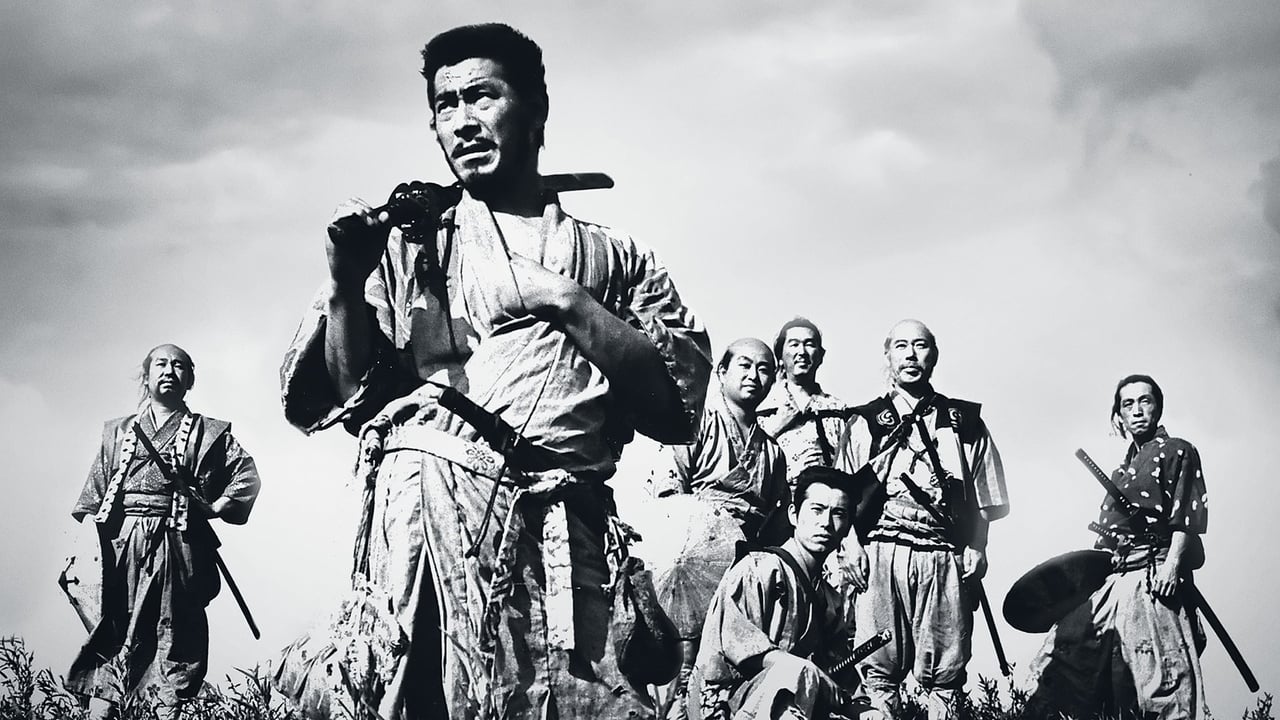
Agree or disagree, but Akira Kurosawa's Seven Samurai is the foundational blueprint for modern action storytelling. Its influence is present across decades and cultures, shaping everything from Westerns to ensemble war and even heist films. Besides Kurosawa's use of dynamic camera movement, multi-angle editing, and weather as a dramatic element, Seven Samurai also pioneered the "team assembly" narrative structure, creating distinct character archetypes who drive the film's momentum and plot further with their differences and personalities.

Seven Samurai follows residents of a poor village who hire a masterless samurai, Kambei (Takashi Shimura), to defend their community from bandits. Kambei gathers a group of six other masterless samurai with distinct personalities, to help him defend the villagers. The movie shows their preparations, relationships between warriors and civilians, and the rise of emotions while waiting for the inevitable confrontation. The climactic battle is both thrilling and tragic, combining spectacle with profound reflections on sacrifice, society, and mortality. Seven Samurai transcends genre boundaries, standing not only as the greatest action film ever made but as one of the most important works in cinematic history.

#2
8.1 / 10 IMDb

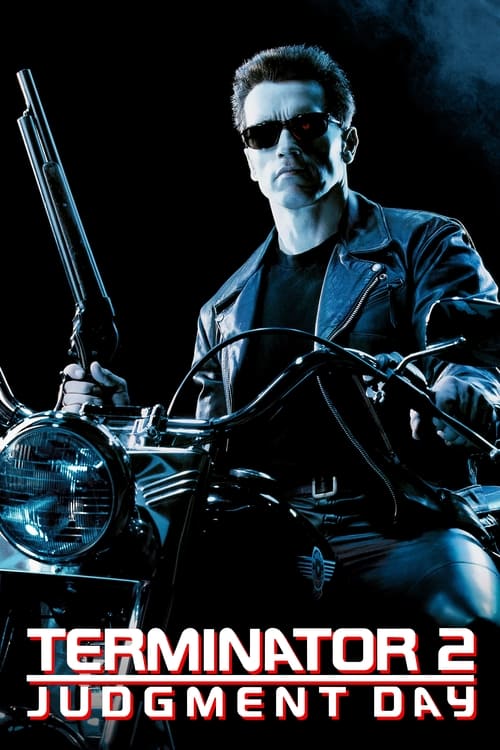
Another James Cameron action masterpiece, Terminator 2: Judgment Day, is pretty much a landmark achievement in the action genre. Its combo of emotional storytelling and relentless action makes it iconic, but it's really Cameron's insistence on pushing technological boundaries that makes it legendary. The development of the liquid metal T-1000 visual effects alone cost $5 million, making Judgment Day the most expensive film ever made at the time of its release. This is another Cameron film in which a woman defines the essential action hero with Linda Hamilton in the lead.

Terminator 2: Judgment Day follows Sarah Connor (Hamilton) and her son John (Edward Furlong) who, after being visited by a reprogrammed Terminator T-800 (Schwarzenegger), try to prevent a future machine uprising while on the run from an advanced Terminator, T-1000 (Robert Patrick). The relationship between John and T-800 grows from a coldness to an unexpected bond between protector and protégé. The film's culmination represents an emotional memory for some people, evoking emotions after watching the story showcase themes of fate, humanity, and responsibility. Judgment Day stands as one of the most complete and influential action blockbusters ever created.

#3

Die Hard

(1988)
7.8 / 10 IMDb

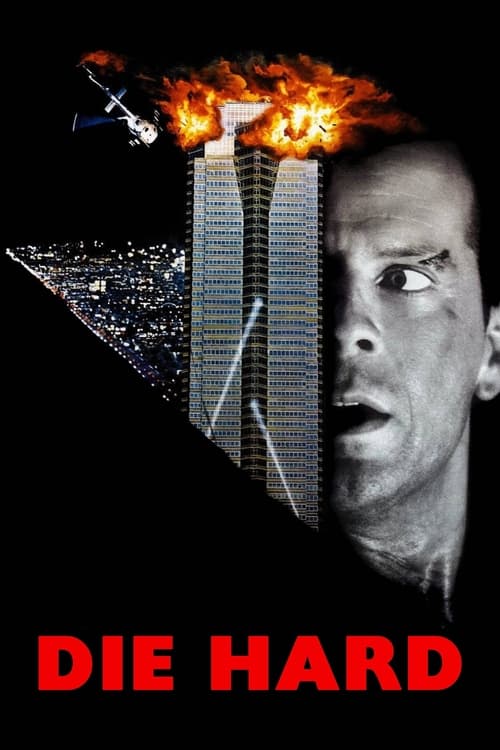
Die Hard is one of the best representations of the action genre, known across the globe for its catchphrases and iconic performances. It's another action flick that replaces invincible clear-cut heroes with a fallible and relatable protagonist, John McClane (Bruce Willis). Willis’s casting was initially controversial, since he was primarily known for starring in comedic roles, but his performance made audiences believe in his action hero appeal; funnily enough, the role was offered to action prototype, Arnold Schwarzenegger, who declined because he wanted to venture into comedy. Die Hard is also synonymous with one of cinema's most iconic villains, Hans Gruber, portrayed brilliantly by Alan Rickman in his debut feature film performance.

Die Hard follows the New York City detective John McClane visiting his estranged family in Los Angeles, when he suddenly becomes trapped in a Los Angeles office building, Nakatomi Plaza, during a terrorist takeover led by Hans Gruber. McClane is injured and isolated from his family, but his tenacity and improvization skills help him take on a dangerous enemy. Die Hard is known for a gripping and fun pace and great character arcs, which helped it become a template for movies like that; with emotional stakes and some humor and inventiveness, every action film could be as fun and brilliant as Die Hard.

#4

Aliens

(1986)
8.0 / 10 IMDb

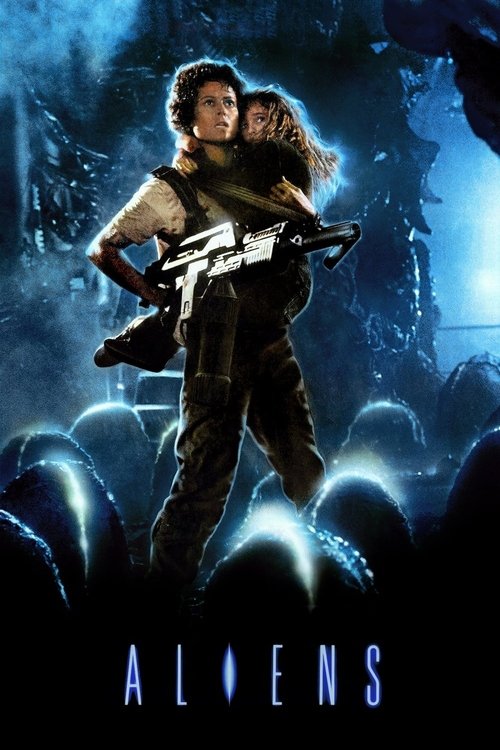
James Cameron's Aliens is one of the rare sequels that takes an almost opposite turn from its predecessor, though it preserves Alien's intensity and recognizable thrills. Cameron took Ridley Scott's horror framework and added a high-octane action narrative by introducing military tactics and ensemble dynamics. Sigourney Weaver was unsure of returning, but after some negotiations, she stepped back into Ellen Ripley's shoes; while she already became iconic with Alien, her performance in Aliens helped establish women as heroes of action cinema, showing Ripley as both vulnerable and resilient.

Aliens follows Ripley's return to the alien-infested colony world she found with her Nostromo crew in Alien; this time, she goes alongside a squad of colonial marines commanded by Lieutenant Gorman (William Hope). After landing and finding remnants of a wiped-out colony, Ripley becomes the protector of the colony's sole survivor, an orphaned child nicknamed Newt. Aliens uniquely combines intense action with themes of trauma, motherhood, and survival, and with that, remains one of the most influential action films ever made.

#5
7.3 / 10 IMDb

Lethal Weapon didn’t invent the buddy-cop formula, but refined it into a near-perfect balance of action, humor, and drama with emotional depth. Richard Donner made the movie feel fast-paced, while then-unknown screenwriter Shane Black gave the script sharp dialogue that would influence decades of action writing. Mel Gibson's portrayal of Martin Riggs introduced an unusually fragile side to action heroes, presenting him as a figure riddled with trauma and heaviness, stripping off an invincible cloak many action heroes wore at the time. Lethal Weapon's mix of practical stunts, from real explosions to high-risk fight choreography, makes the movie one of the most fun and immersive action flicks ever made.

Lethal Weapon follows the traumatized loose cannon detective Riggs and his partner, the family-oriented detective Roger Murtaugh (Danny Glover), as they're asked to save the daughter of Murtaugh's former army friend. Riggs and Murtaugh initially have a tense partnership, but over the course of the film, it evolves into mutual trust and emotional support. Lethal Weapon endures because it shows that the most memorable action films are not only about thrills, but about relationships that give those thrills a deeper meaning that feels persistent and memorable.

#6
7.2 / 10 IMDb

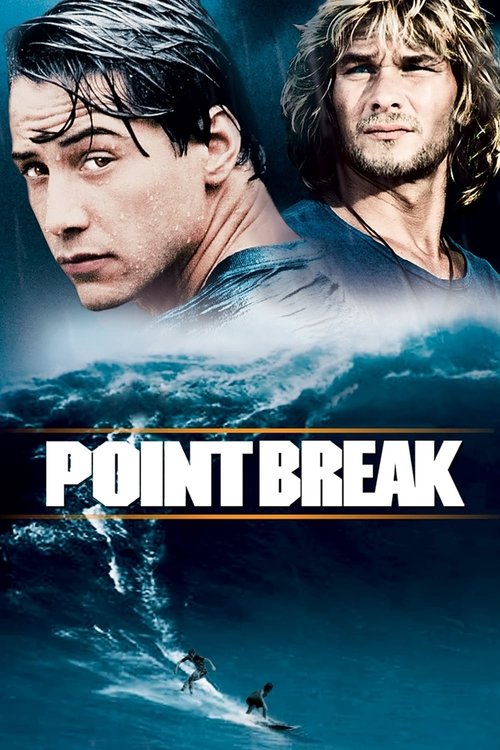
Speaking of Keanu Reeves, it's not like he wasn't known for his action hero prowess before John Wick. In fact, many studios rejected John Wick because it seemed like "another Keanu Reeves action flick." His action hero legacy began long before—he starred in Kathryn Bigelow's Point Break in 1991 alongside Patrick Swayze. Initially dismissed as a stylish B-movie, Point Break is now a cult classic celebrated for its emotional narrative and kinetic direction. Bigelow brought innovations when it came to staging for action sequences, with the iconic foot chase through suburban neighborhoods becoming widely studied for its dynamic camera work. Point Break also stands out for its themes of identity, masculinity, and freedom.

Point Break follows FBI agent Johnny Utah (Reeves), who infiltrates a group of thrill-seeking bank robbers led by charismatic surfer Bodhi (Swayze). As Utah starts to sympathize with the group's philosophy of risk and liberation, the story turns into his personal conflict between duty and transformation. Bigelow blends adrenaline-fueled action with philosophical undertones, giving Point Break a chance to reach rare emotional depths that are hard to come by in action flicks; shallow in the grand scheme of things, but deep when observed with attention, Point Break is an interesting, thrill–seeking action flick for the ages.

#7
7.5 / 10 IMDb

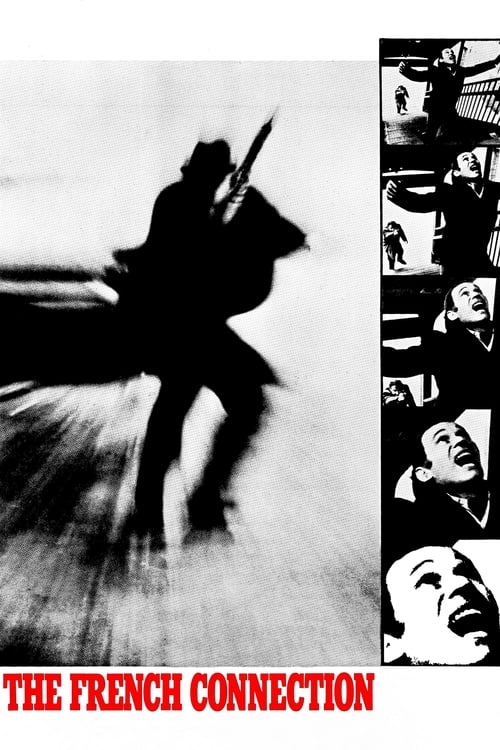
The French Connection is one of the early examples of an action movie standing the test of time and remaining on the top of the genre for decades. Director William Friedkin's signature realistic, documentary-style filmmaking helped The French Connection feel all the more powerful and iconic. Friedkin filmed extensively on real New York streets, including a legendary car chase beneath elevated subway tracks; the chase includes real and unplanned car collisions, translating the danger directly onto the screen. This makes The French Connection a cut above the rest, though that kind of filming process would be considered unethical today.

The French Connection follows narcotics detective Popeye Doyle (Gene Hackman) as he obsessively pursues an international heroin smuggling ring, led by Alain Charnier (Fernando Rey). Doyle doesn't exactly have the most ethical boundaries; he's rather a morally ambiguous protagonist driven more by obsession than heroism. The film was inspired by real events and people, with detective Eddie Egan serving as the model for Popeye Doyle. The French Connection redefined the action genre's aesthetic, establishing realism as a powerful way to achieve suspense and a grand emotional impact.

#8
7.5 / 10 IMDb

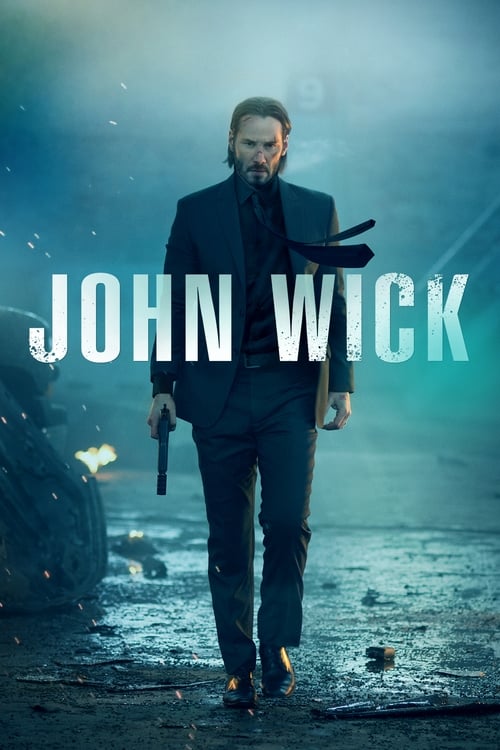
As far as loner vigilantes go, John Wick sparked a renaissance in this particular aspect of the action genre. John Wick was directed by former stuntman Chad Stahelski, using longer takes and wide framing to show off the movements and choreography. Keanu Reeves was attached to the project from its development phase and adapted the screenplay with Stahelski to fit his acting style and age. This is why John Wick works so well—when you have an actor giving a project their personal touch and getting along with the director, you get a labor of love that turns into the blueprint for noir action thrillers with an epic hero.

John Wick follows the titular character, John Wick, who is a retired assassin grieving his wife's death. One day, he is drawn back into the criminal underworld after entering a conflict with some men at a gas station, who turn out to be members of his old assassin universe. John Wick is a tightly structured revenge story that boasts elaborate physical confrontations, but despite the stylized violence, the film is emotionally themed with grief, loyalty, and a personal code. John Wick revitalized the genre and became a franchise, achieving all that through simplicity executed with attention to detail and respect for the craft.

#9
7.9 / 10 IMDb

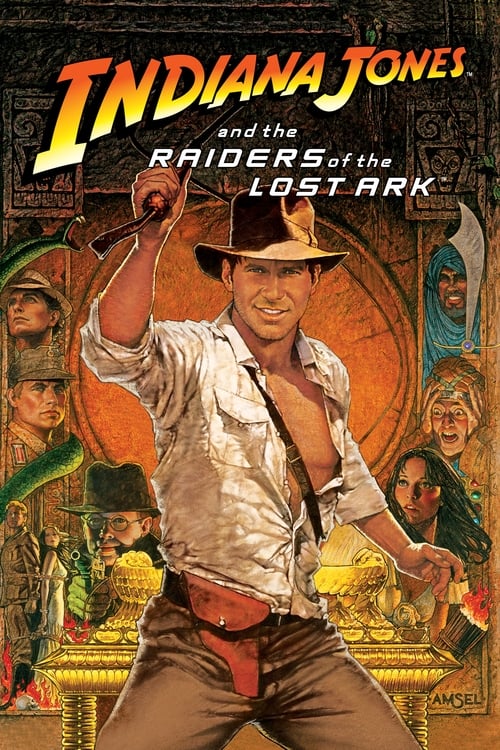
Raiders of the Lost Ark helped make the world a little more adventurous and fun. Steven Spielberg, producer George Lucas, and screenwriter Lawrence Kasdan perfected the blueprint for modern adventure action by designing most of the film's sequences to function like self-contained mini-movies filled with humor, action, drama, and character development. Harrison Ford wasn't one of the first choices to play the archeologist Indiana Jones (Tom Selleck nearly starred), but he found the script fun, decided to train hard and dedicate himself to the stunts; today, Indiana Jones, fondly called Indy by longtime fans, couldn't be played by any other actor or replaced by any other adventurer.

Raiders of the Lost Ark follows archaeologist Indiana Jones in a race against time with the Nazi forces, who are rushing to find the biblical Ark of the Covenant. His journey includes many exotic locations, deadly traps, and near-death encounters. But, Indy was conceived as a human and scholar first, showing him getting frequently injured and outmatched, as well as improvizing in times of peril. The emphasis on Indy's humanity makes him relatable and even more likable, bringing the story closer to people who need to find bravery in their lives. The blend of thrilling set pieces and character-driven storytelling makes Raiders of the Lost Ark one of the most perfectly crafted action adventures of all time.

#10
7.6 / 10 IMDb

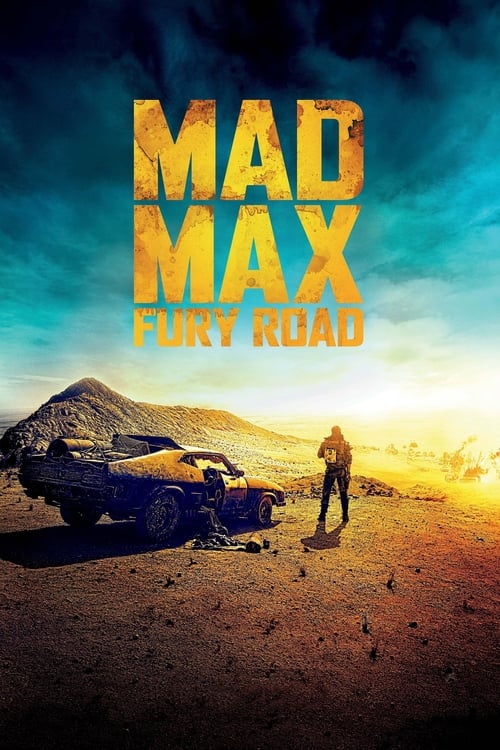
By the mid-2010s, no one was really expecting to see any other type of action movie than somewhat mindless blockbusters that heavily relied on CGI. Not to say every movie of the time was bad, but it wasn't until Mad Max: Fury Road came out that we became aware of just how much we needed emotional stakes to be higher, the action to be more intense, and the effects to go practical, relying on visual storytelling and expert editing. Director George Miller is known for the Mad Max universe, and he continued to insist on practical effects wherever possible, including building real vehicles, staging real crashes, and employing hundreds of stunt performers in the Namib Desert for Fury Road.

Fury Road follows Max Rockatansky (Tom Hardy), a drifter captured by the tyrannical warlord, Immortan Joe (Hugh Keays-Byrne). There, Max meets Furiosa (Charlize Theron), a rebel leader attempting to liberate enslaved women from Immortan Joe's regime, and joins her in their desperate escape. The story unfolds as an extended, relentless chase across a post-apocalyptic desert wasteland, but beneath the constant motion lies a surprisingly emotional story about redemption, survival, and resistance. Fury Road reestablished practical filmmaking as the gold standard for modern action cinema and stands among the greatest of our time.

#11
7.4 / 10 IMDb

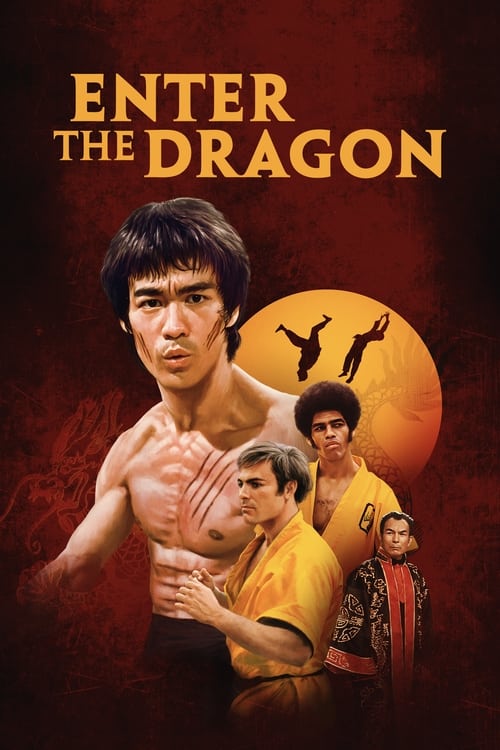
Enter the Dragon has a special place in action cinema as the movie that helped make martial arts more known and popular among global audiences. Bruce Lee's charisma, physical fitness and performance, and philosophical presence turned kung fu into a cultural phenomenon, giving this niche genre a chance to become mainstream. Enter the Dragon had an international co-production, between Hong Kong and Hollywood studios, and it was Lee's final completed film before his untimely death in July 1973. The movie premiered in Hong Kong first, then in Los Angeles.

Enter the Dragon follows Lee, a martial artist from a Shaolin temple, who gets recruited by the British Intelligence to infiltrate crime lord Han's island tournament. Lee has more than one motive to go, and he seeks personal revenge while there. Enter the Dragon has a straightforward vengeance plot with an iconic action sequence in a hall of mirrors, but it's ultimately amazing because of Lee's presence. He had a way of elevating every scene and film into a lesson in discipline and philosophy. Redefining the action genre is one thing, but realizing you can teach through it was a wholly different ballgame; this insistence remains a legacy and something we will always remember Lee for.

#12

Predator

(1987)
7.5 / 10 IMDb

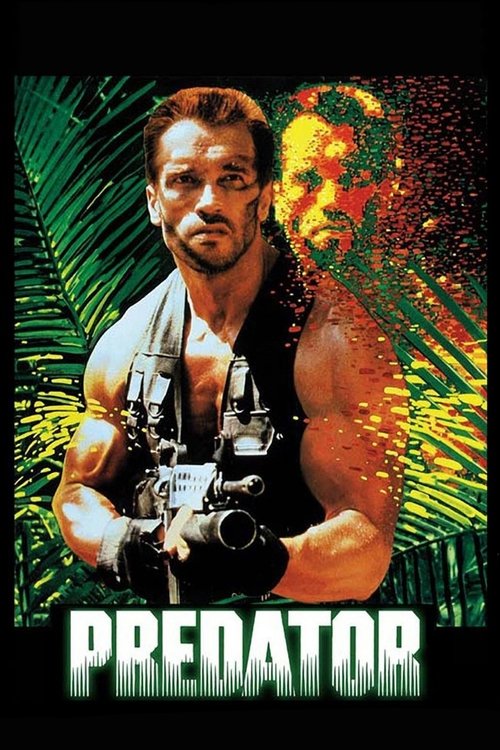
Predator might only seem to be the ultimate 1980s action spectacle to the outside eyes, with its cast of hyper-muscular stars and exciting and explosive jungle combat. However, director John McTiernan takes what could have been a very macho premise and turns Predator into a survival horror story. The alien creature's (Predator's) design was created by Stan Winston, and it became iconic, mostly for its thermal vision perspective, adding an interesting and fresh way to introduce tension into a classically crafted action flick.

Predator follows an elite commando team led by Dutch (​​Arnold Schwarzenegger), who are sent into a Central American jungle on a rescue mission, only to realize they are being hunted by a deadly alien creature they cannot see. As the team members are eliminated one by one, Dutch is forced to abandon brute force tactics and to start strategizing and improvizing. Giving classical action tropes this kind of twist makes Predator a lasting resident in the hall of fame of greatness; it's not easy to find credible ways of introducing higher stakes into an established genre, but this movie did it perfectly and set the bar high.

#13
8.2 / 10 IMDb

The Matrix stands tall as one of the most influential action films ever made, successfully blending philosophical storytelling with groundbreaking visual innovation. The Wachowskis took inspiration from Hong Kong's wire-fu choreographies, notably collaborating with Yuen Woo-ping, director of Drunken Master and choreographer of Crouching Tiger, Hidden Dragon (among many, many other films). Additionally, the invention of "bullet time" instantly became one of the coolest and most imitated visual techniques for action movies. Beyond these achievements, The Matrix boosted action cinema that engaged with complex existential ideas.

The Matrix follows Neo (Keanu Reeves), a hacker who discovers that reality is a simulation controlled by machines. Guided by hackers Morpheus (Laurence Fishburne) and Trinity (Carrie-Anne Moss), he learns to manipulate the artificial world’s physical laws while being pursued by powerful agents who enforce the system. Each action sequence advances the narrative and emphasizes the movie's philosophical themes about perception and freedom. By seamlessly integrating two seemingly opposite ideas—physicality and intellect—The Matrix transformed action into a genre that can explore identity, consciousness, and reality on film.

#14

Bullitt

(1968)
7.1 / 10 IMDb

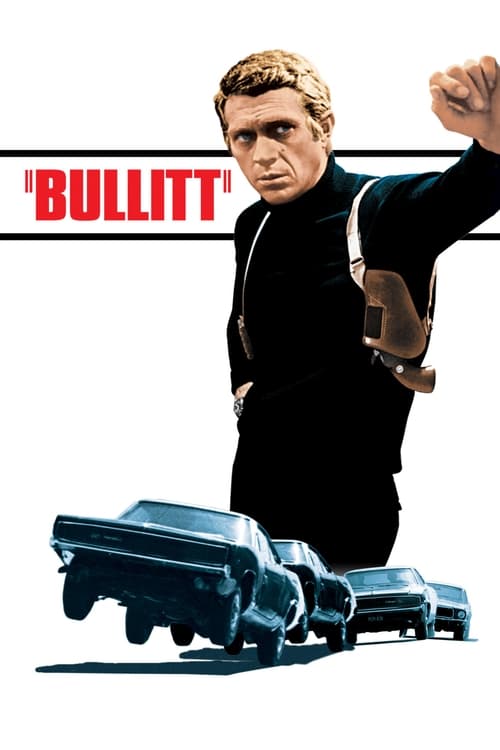
Bullitt is one of the most influential action movies of all time, revolutionizing car chases and on-location action sequences. Director Peter Yates insisted on authenticity, so he filmed the most famous chase scene (that is just under 11 minutes) on actual San Francisco streets for weeks, combining an intriguing musical score with engine roars and tire squeals in post-production. Bullitt was Steve McQueen's star vehicle, and he performed much of the driving himself, leaving the high-speed sequences to his usual stuntman, Loren James. Bullitt influenced numerous films, from gritty police dramas to modern action thrillers, and Yates is often an inspiration to filmmakers of all genres.

Bullitt follows Lieutenant Frank Bullitt (McQueen), tasked to protect a key witness while investigating a politically sensitive case. However, the witness is suddenly assassinated, and Bullitt works to solve his murder, resulting in him uncovering a deeper conspiracy and corruption. The story is straightforward and quite linear, driven by Bullitt's stoicism, professionalism, and strong moral beliefs and core, making him an ultimate hero of justice. Bullitt truly turned into an immersive experience for audiences at the time of its release, and the fact it avoids theatrics and exaggeration makes it even more relevant today because of how well it holds up.

#15
8.5 / 10 IMDb

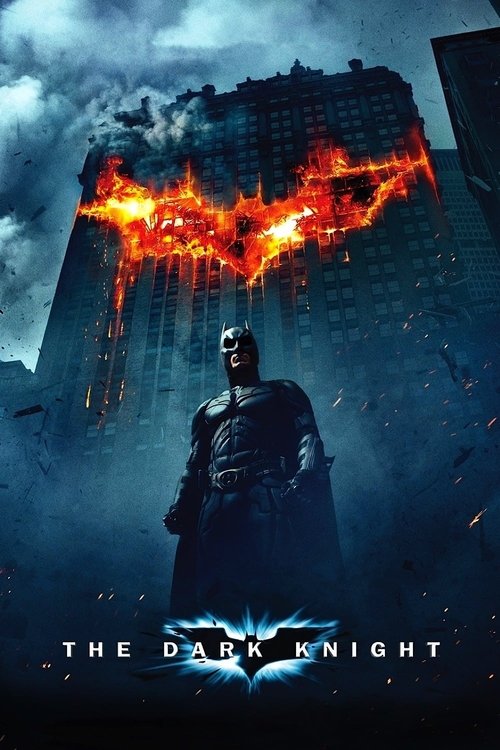
Christopher Nolan reformed the superhero genre by making The Dark Knight an intense action thriller with heavy moral consequences. Though layered and intelligent, Heath Ledger’s performance as The Joker became the thing that was instantly legendary out of anything, even earning Ledger a posthumous Oscar win. While many consider Christian Bale the best Batman because he embodies the mental and physical qualities of the vigilante, Ledger's portrayal became so legendary that it set a redefined standard for blockbuster villains and raised audience expectations for good.

The Dark Knight follows Batman's escalating conflict with the Joker, a criminal mastermind determined to dismantle Gotham’s social order. As the city descends into fear, Bruce Wayne realizes the limits of his vigilantism by slowly losing people's trust in his actions. With that, he becomes a symbol of frustration instead of hope, forever eroding his reputation among Gotham's residents. This emotional and philosophical weight, combined with expertly crafted action sequences, makes The Dark Knight a rare kind of action spectacle—one that becomes a serious drama filled with questions of morality, surveillance, and justice.

#16
8.0 / 10 IMDb

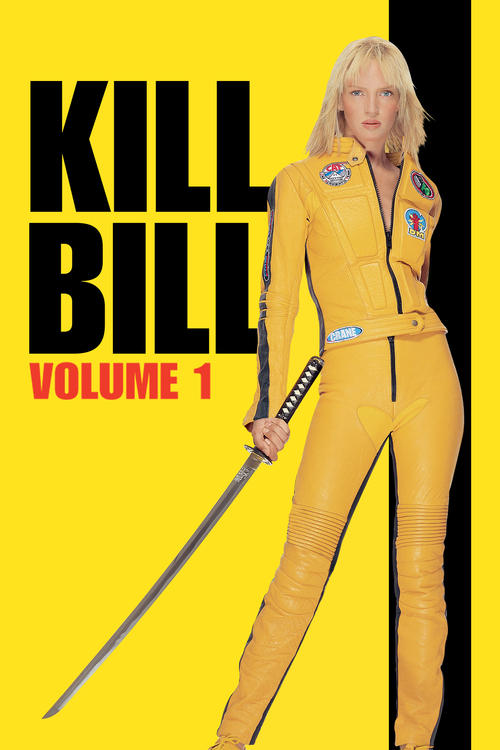
Kill Bill: Volume 1 is pretty much a cinematic collage of global action movie influences. Quentin Tarantino created it by drawing from samurai films, kung fu cinema, spaghetti westerns, and anime. In it, he references classic works, from Shaw Brothers productions to Japanese lone warrior epics, while simultaneously creating a unique visual language that soon became synonymous with Kill Bill in particular. The film’s most famous sequence, the House of Blue Leaves showdown, required months of choreography, with some critics considering it as the last line of originality and a beginning of self-indulgent, Tarantinoesque cinema.

Kill Bill: Volume 1 follows Beatrix Kiddo, aka "The Bride" (Uma Thurman), a former assassin from the Deadly Viper Assassination Squad, seeking revenge against her squad comrades who massacred her wedding rehearsal. As she tracks down all the old members, each confrontation unfolds by showing the fight against each of the members through a uniquely descriptive visual style. The Bride is the epitome of resilience and vengeance, truly embodying the title of the "deadliest woman on Earth." Kill Bill: Volume 1 achieves a rare balance by functioning both as a thrilling revenge tale and a celebration of action cinema itself.

#17
7.6 / 10 IMDb

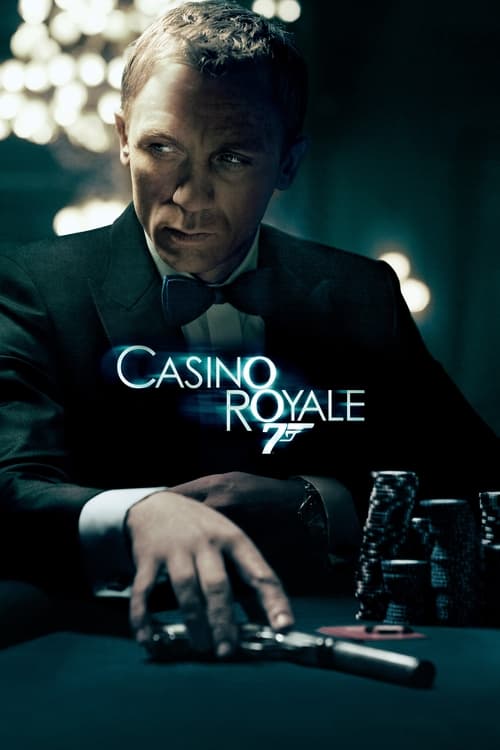
Casino Royale is the first Daniel Craig-era James Bond film, and it revitalized the franchise into something very interesting, stripping away decades of camp and making Bond a raw man with emotional stakes involved in every mission. Craig's casting sparked controversy at first, but the entire movie, in particular the parkour chase scene, immediately established his Bond as a physically intense and fallible operative. Director Martin Campbell decided to use practical stunts and realistic fight choreography, opting for visceral and grounded action sequences instead of over-the-top gadgetry.

Casino Royale follows Bond just after receiving his 00 license, aka "license to kill." The movie shows his mission to bankrupt the terrorist financier Le Chiffre (Mads Mikkelsen) during a high-stakes poker game in Casino Royale in Montenegro. Besides intense action and high-stakes poker, the story follows Bond's evolving relationship with Vesper Lynd (Eva Green), which ultimately reshapes his worldview. By the end, Bond comes out of the experience hardened and emotionally guarded, setting the stage for the modern era of the character. Casino Royale is a brilliant action thriller, but also a much-needed reinvention of James Bond that brought dramatic weight and realism into one of cinema's longest-running franchises.

#18
7.5 / 10 IMDb

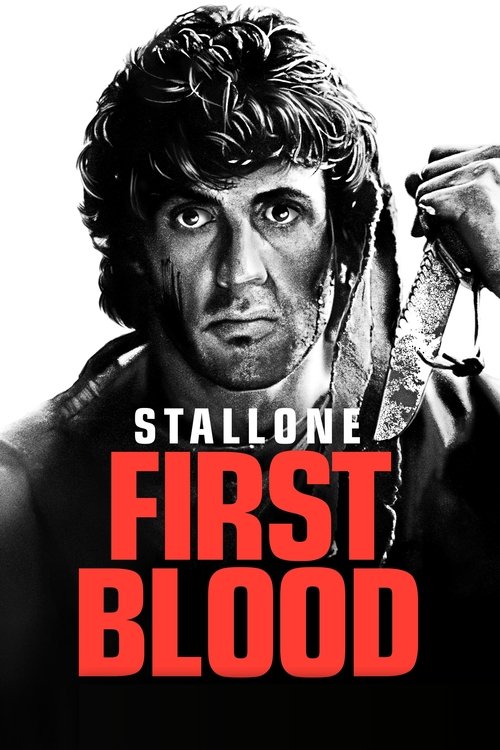
First Blood is mostly known across the globe as just "Rambo," with many people believing that's the real name of the film. First Blood spawned the Rambo franchise, but unlike its sequels, it stands out as a deeply introspective action film that redefined the action hero archetype. Sylvester Stallone portrays John Rambo as affected by trauma and grief, reflecting America's unresolved cultural wounds post–Vietnam War. The film was adapted from David Morrell's novel, though Stallone insisted on softening the character’s original brutality by making him more vulnerable and sympathetic.

First Blood follows John Rambo wandering into a small town in Washington, where he is harrassed by local authorities after being mistaken for a grifter. The harassment triggers Rambo to have a violent breakdown rooted in his wartime trauma. Rambo defends himself and runs to the nearby mountains, making himself the target of an intense manhunt, using his acquired survival skills to avoid capture. The action scenes rely heavily on practical stunts and real locations, including a dangerous cliff jump performed by Stallone himself. Despite being a festival of violence, First Blood shows that the action genre is capable of exploring trauma and alienation, showing how Rambo is ultimately a soldier abandoned by those he was sent to defend.

#19
7.5 / 10 IMDb

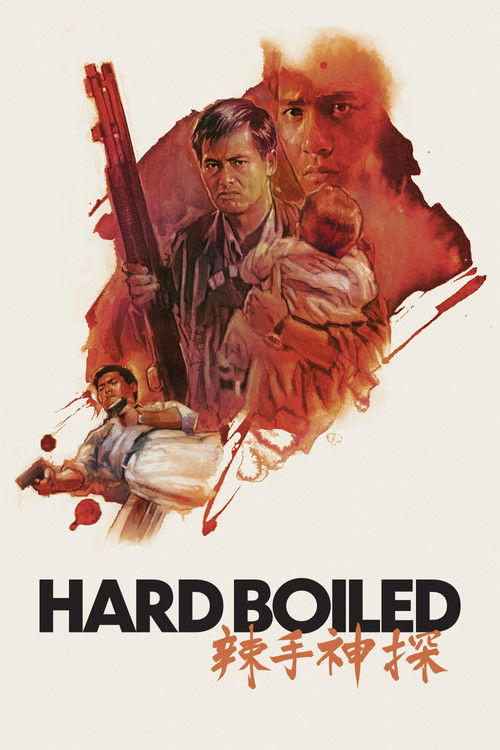
Fans of John Woo know he's one of the OGs of pure action cinema, and Hard Boiled represents the absolute apex of the "heroic bloodshed" era in Hong Kong film. There's some melodrama and emotions, but a lot more stylized gun violence and fancy shootouts. Woo choreographed the action sequences like they were musical compositions or waves, going through rhythm and slow motion, even using white doves for extra visual poetry points. Hard Boiled has a long and climactic hospital shootout, which seems to unfold in a single continuous take, and it required weeks of planning. It's one of the most technically daring action sequences ever filmed, in one of the greatest action movies imaginable.

Hard Boiled follows Inspector "Tequila" Yuen (Chow Yun-fat), a jazz and tequila slammer-loving cop, waging a relentless war against arms traffickers after the death of his partner. As he teams up with Alan (Tony Leung Chiu-wai), an undercover agent embedded in the Hong Kong criminal network, the conflict escalates into increasingly explosive confrontations, though beneath all that chaos lies a surprisingly emotional core about loyalty and sacrifice. Hard Boiled is amazing because it makes gunfights look spectacular and carry heavy emotional stakes, proving action can be both emotionally resonant and visually overwhelming.

#20

The Raid

(2011)
N/A / 10 IMDb

The Raid is often described as the purest form of modern combat cinema, and few action films feel as ruthless and tiring as this one. Director Gareth Evans built the film entirely around the Indonesian martial art Pencak Silat, working closely with the film's leading stars, Iko Uwais and Yayan Ruhian; Evans specifically wanted Uwais for The Raid, and they worked together a couple more times. The production had a small budget, limiting fights to cramped hallways and narrow rooms and using improvised weapons; with long takes and wide framing, Evans showcases the effectiveness of Pencak Silat, creating a relentless film that became almost instantly influential.

The Raid follows a rookie SWAT officer, Rama (Uwais), who joins a raid on a crime-lord-controlled apartment building, where they inevitably become trapped. Forced to fight floor by floor, Rama faces escalating waves of enemies while realizing he has personal connections to the building's criminal hierarchy. By the end, The Raid, as entertaining as it is, feels tiring and like the final form of survival. It's tiring but satisfying, proving that action is best when relying on physical storytelling.