10 Classic Movie Masterpieces With Great Acting, Ranked
genre masterpieces

10 Classic Movie Masterpieces With Great Acting, Ranked

By Streamix Editors March 1, 2026 10 items

There are certain classic films that stay alive because of the people inside them. The performances feel lived in. Faces linger. Small pauses carry weight. Even decades later, you can still sense what the actors were holding back as much as what they chose to show.

I always come back to these films when I want to remember why performances matter so much to storytelling. They remind you that great acting is not about volume or theatrics. It is about control, timing, and an understanding of human behavior. These are films where characters feel shaped by their environments, their choices, and their regrets, and where every glance or hesitation feels intentional. Ranking them is never easy, but revisiting them is always rewarding. This list looks at ten classic movie masterpieces where acting does more than support the story. It defines it.
#1
8.7 / 10 IMDb

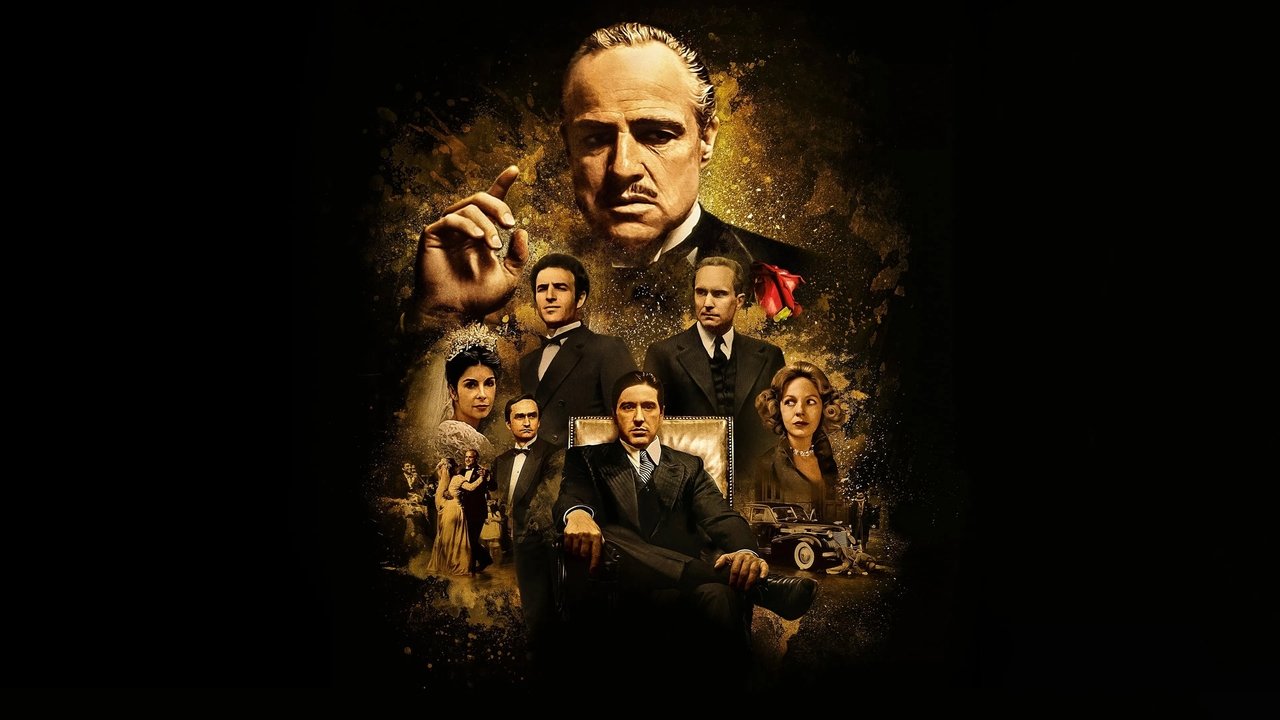
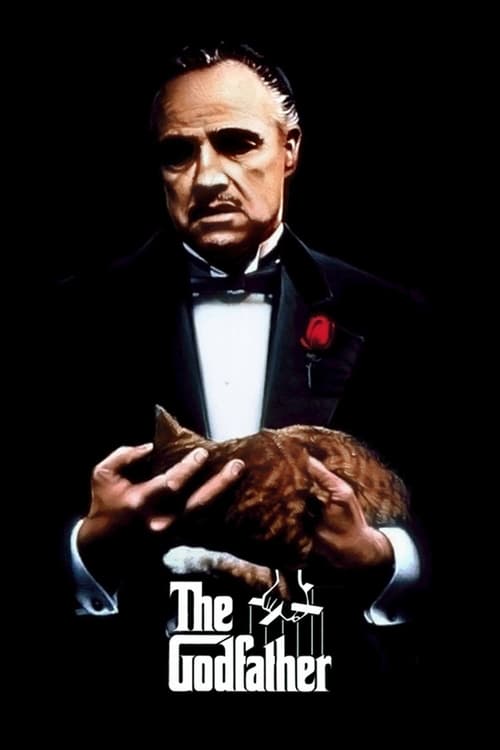
The Godfather begins as a family gathering, which makes the shift into violence feel unsettlingly natural. Business and loyalty blend into one system, and the Corleone family treats power as inheritance. Decisions made in quiet rooms ripple outward, affecting marriages, friendships, and lives far beyond the family table.

Vito Corleone, guided by patience and calculation, is played with grounded authority by Marlon Brando. His son Michael starts as an outsider, yet circumstances pull him inward step by step. As Michael Corleone (Al Pacino) takes responsibility, the line between protection and domination disappears. The story charts this transformation slowly, allowing each compromise to feel justified in the moment. By the end, leadership is secured, but at a personal cost that the film never tries to soften or excuse.

#2
8.0 / 10 IMDb

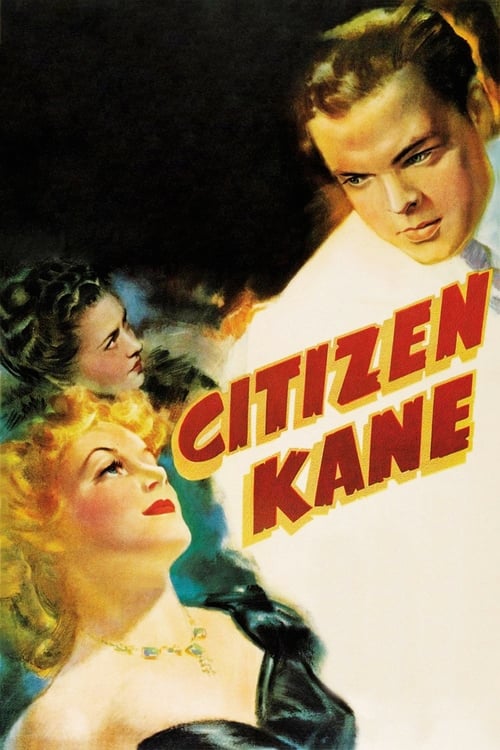
Citizen Kane opens with the death of a powerful man and a single word that no one around him understands. From there, the film moves backward, piecing together Charles Foster Kane’s life through the memories of people who once stood close to him. Each account adds detail but also leaves gaps. Public success grows larger with time, while private relationships quietly fall apart.

As Kane builds influence through newspapers, politics, and wealth, his personal world keeps narrowing. His friendships strain under pressure. His marriages collapse under expectations he refuses to loosen. Charles Foster Kane (Orson Welles) appears confident in public yet increasingly isolated behind gates and headlines. The story never settles on a single explanation for who he was. Instead, it shows how ambition, left unchecked, reshapes a life until even those who knew him best can no longer agree on the truth.

#3
8.1 / 10 IMDb

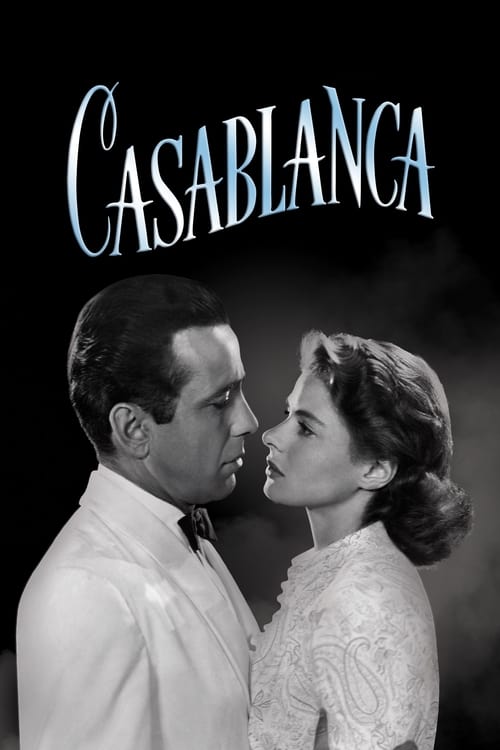
Casablanca unfolds in a place where everyone is waiting for something, whether it is escape, redemption, or a second chance. The film uses its wartime setting to trap characters emotionally as much as politically. Old relationships resurface, choices resurface with them, and neutrality becomes harder to maintain with every conversation.

Rick Blaine (Humphrey Bogart) projects control and distance, yet the performance allows subtle cracks to appear, showing vulnerability without confession. Ilsa Lund (Ingrid Bergman) carries regret that is never fully explained, giving her moments of silence real weight. Victor Laszlo (Paul Henreid) embodies moral clarity, and the restrained performance keeps him believable without turning him into a symbol. These performances succeed because the film treats sacrifice as a process, not a sudden revelation, and by the final choice, every emotional beat feels earned.

#4
7.8 / 10 IMDb

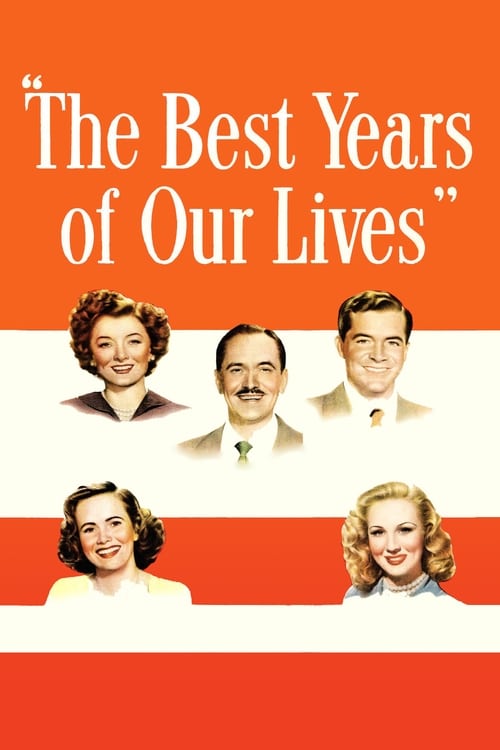
The Best Years of Our Lives begins after the war ends, which is exactly why it feels so heavy. The story stays with three servicemen as they return to a country that looks familiar but no longer fits them the same way. Home exists, yet comfort does not arrive automatically. Jobs feel smaller. Families feel distant. The film lets that tension sit quietly instead of forcing it into big moments.

Fred Derry struggles with status and purpose, played with restless honesty by Dana Andrews. Al Stephenson (Fredric March) finds himself respected in public and misunderstood at home. Homer Parr’s (Harold Russell) adjustment feels most physical and most personal, and Russell brings a directness that never feels rehearsed. The acting is a masterclass because the film treats reintegration as an ongoing process and allows uncertainty to remain unresolved.

#5
8.6 / 10 IMDb

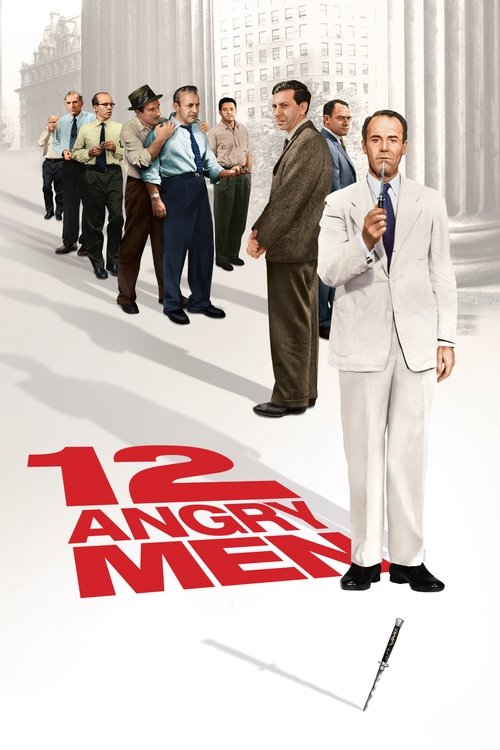
12 Angry Men places its entire story inside a jury room and never feels limited by it. The case itself remains simple on purpose. What matters is how quickly certainty forms and how difficult it is to undo once pride enters the conversation. The film moves through argument rather than action, allowing logic and bias to clash openly.

Juror 8 (Henry Fonda) approaches the discussion with restraint, asking questions instead of making speeches. Other jurors respond from habit, frustration, or personal history, especially Juror 3 (Lee J. Cobb), whose anger slowly reveals its source. Each performance feels specific, shaped by temperament that’s raw and real. The film stays powerful because it treats persuasion as work, not heroism, and lets the acting do the heavy lifting.

#6
8.1 / 10 IMDb

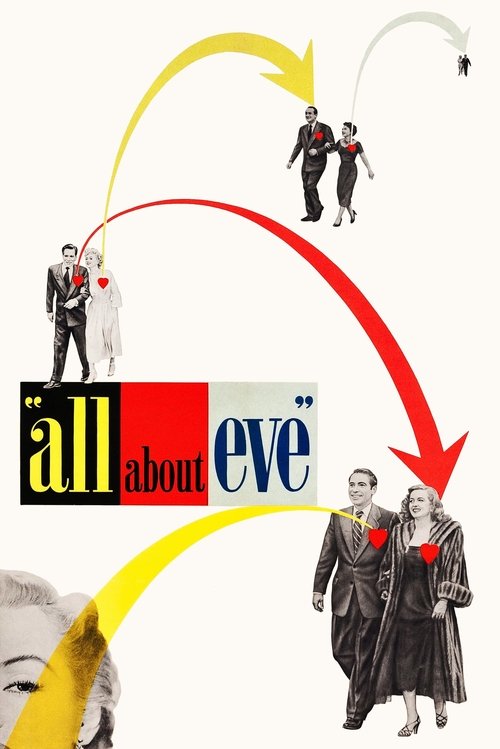
All About Eve opens in the middle of success, not struggle. The film moves through the theater world with ease and shows how admiration, ambition, and insecurity often sit in the same room. It never rushes its point. Instead, it lets conversations stretch, letting motives surface slowly through what people choose to say and what they leave unsaid.

Margo Channing (Bette Davis) carries the film with sharp timing and emotional control, playing a woman who knows her position yet feels it slipping. Eve Harrington (Anne Baxter) presents herself as harmless, which makes her rise more unsettling than dramatic. Addison DeWitt (George Sanders) watches from the sidelines. The acting in the film works because everyone understands the power they hold, and the film trusts those dynamics to speak for themselves.

#7
8.0 / 10 IMDb

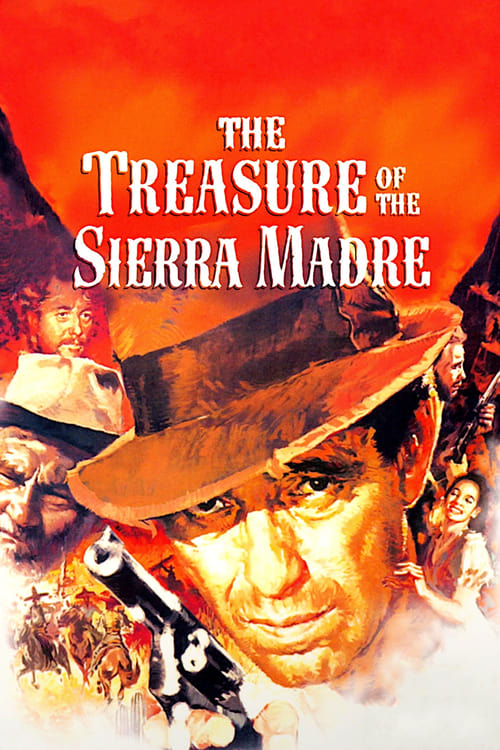
The Treasure of the Sierra Madre builds its story around a simple idea: what money does to trust. Three men head into the Mexican mountains hoping to strike gold, and the film spends little time romanticizing the journey. Instead, it focuses on how suspicion grows once survival depends on possession.

Fred C. Dobbs (Humphrey Bogart) changes gradually, with greed replacing camaraderie in small, believable steps. Curtin (Tim Holt) serves as a moral contrast without becoming idealized, while Howard (Walter Huston) understands human weakness well enough to accept it without judgment. The performances avoid melodrama, allowing the film’s tension to come from glances, pauses, and unspoken doubt. That restraint is what gives the story its lasting weight.

#8
7.6 / 10 IMDb

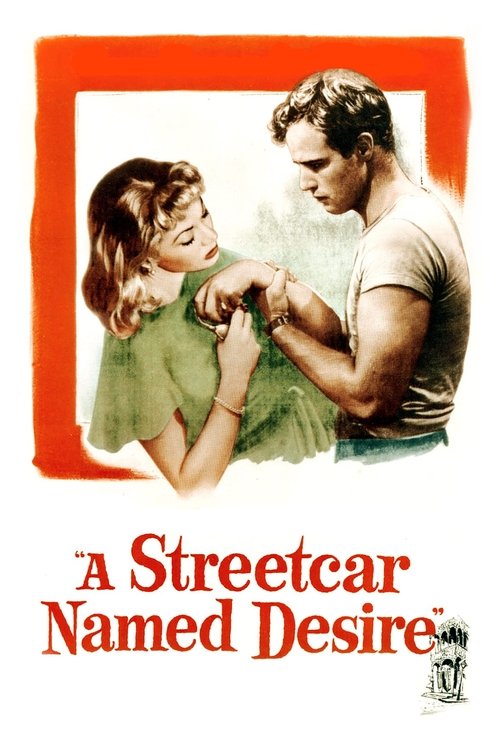
Few films place emotional pressure on a household as directly as A Streetcar Named Desire. Set almost entirely inside a cramped New Orleans apartment, the story revolves around class tension, sexual insecurity, and the slow collapse of personal illusions. What begins as a visit between sisters quickly turns into a struggle for control, where privacy disappears and power shifts from room to room.

At the center is Blanche DuBois (Vivien Leigh), whose fragile self-image depends on manners, memory, and performance. Stanley Kowalski (Marlon Brando) operates on instinct and dominance, challenging Blanche’s version of reality through confrontation. Stella (Kim Hunter) remains caught between them, only trying to preserve peace while avoiding hard choices. The acting works because every interaction feels reactive, shaped by pressure rather than any theatrical intention.

#9
8.3 / 10 IMDb

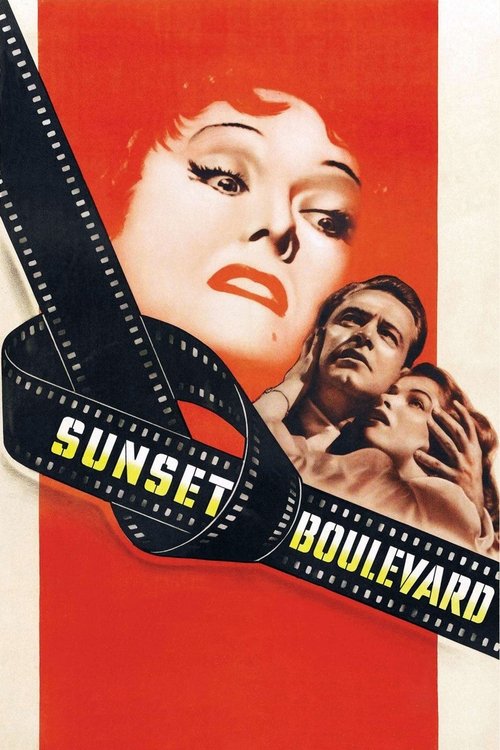
Rather than chasing glamour, Sunset Boulevard strips it away piece by piece. The film centers on a struggling screenwriter who stumbles into the decaying mansion of a silent-era star, exposing a Hollywood that discards people once they stop being profitable. From there, the story becomes less about ambition and more about dependence, illusion, and emotional control.

Norma Desmond (Gloria Swanson) dominates the film through performance choices that mix confidence with denial, allowing insecurity to leak through even her grandest moments. Joe Gillis (William Holden) reacts to her world with weary pragmatism, making his moral compromises feel calculated. Max von Mayerling (Erich von Stroheim) adds quiet tragedy through loyalty that borders on self-erasure. Together, the cast grounds the film’s critique in human behavior, which is why its commentary on fame still feels uncomfortably current.

#10
7.9 / 10 IMDb

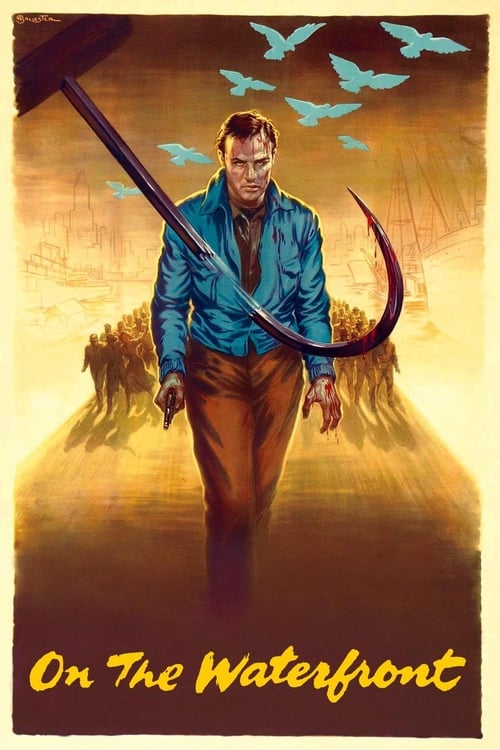
Set on the New Jersey docks, On the Waterfront places its story inside a labor system built on fear, payoffs, and silence. Longshoremen depend on corrupt union bosses for work, and that dependence shapes every moral choice the film explores. The plot moves through intimidation, betrayal, and quiet complicity, slowly tightening around the idea that survival and integrity cannot coexist forever.

That tension plays out most clearly through Terry Malloy (Marlon Brando), a former boxer who understands the system yet struggles to justify his place within it. Brando’s performance stays grounded in hesitation and self-doubt, letting guilt surface gradually instead of through dramatic outbursts. Edie Doyle (Eva Marie Saint) brings emotional clarity without sentimentality, while Father Barry (Karl Malden) represents moral pressure that never turns preachy.