25 Greatest Movie Masterpieces of All Time, Ranked
overall

25 Greatest Movie Masterpieces of All Time, Ranked

By Streamix Editors March 1, 2026 25 items

As it turns out, choosing 25 movies to name among the greatest of all time is harder than anticipated; there's a lot of "wiggle room," but subjectivity and objectivity become blurred the further you go. Film is a flux state, and which one goes down in history depends largely on the mood of the viewers; many of the greatest movies also change viewers' moods and mindsets. Besides that, box office success, critical acclaim, and universal appeal play a big role.

Whether you love or hate some of the world's biggest film masterpieces, they're called so for a reason—changing the landscape of cinema, endlessly influencing generations to do something similar, and introducing new and innovative ways to make movies. These are the 25 greatest movie masterpieces of all time.

#1
8.5 / 10 IMDb

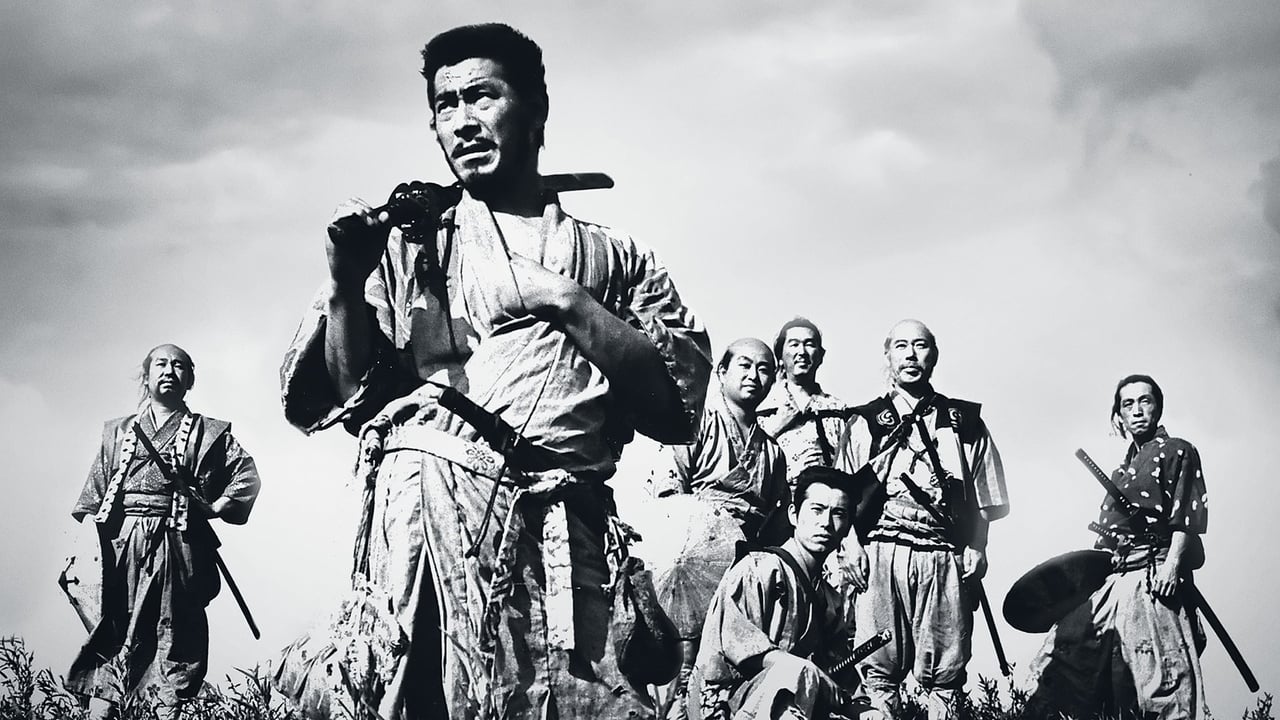
Seven Samurai is widely regarded as one of the greatest films ever made because it essentially invented the modern action epic. Kurosawa pioneered the ensemble structure, character archetypes, and battle staging techniques that have shaped everything from Star Wars to The Magnificent Seven (its direct remake). Its influence spans continents and genres, but its emotional power is what makes it timeless: the film is as much about dignity and friendship as it is about action sequences. Seven Samurai is a heartfelt meditation on what it means to fight for others; a monumental achievement in global cinema.

Seven Samurai tells the story of a poor farming village that hires a masterless samurai (ronin) to defend them from ruthless bandits who raid their harvest each season. The ronin they hire is Kambei (Takashi Shimura), who then proceeds to gather a group of six other ronins for the job. Each samurai is obviously hungry and weary, but also principled, impulsive, and unforgettable—all having a distinct personality that furthers the film. The narrative slowly builds from recruitment to training to a final, rain-soaked battle that remains one of the most electrifying and dynamic action sequences ever filmed, even 70 years later.

#2
8.7 / 10 IMDb

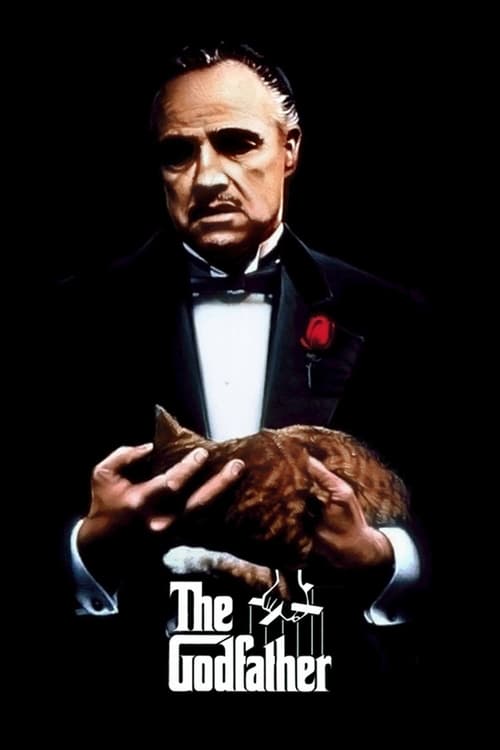
Widely regarded as one of the finest films ever made, The Godfather is Coppola's stunning chronicle of a crime family that won Best Picture and established the standards for modern crime epics. The performances, the music, and the storytelling are, at this point, a thing of myth; the film’s influence on cinematic and narrative styles is immeasurable. Although many people prefer The Godfather II, the first movie sets the tone and builds a foundation for the Corleone family and their epic family saga.

The Godfather was based on Mario Puzo's 1969 novel of the same name and chronicles the transformation of Michael Corleone (Al Pacino) from a reluctant participant in family affairs to a ruthless mafia boss. His world is shaped by loyalty, violence, and family expectations, in particular those of his father, Don Vito Corleone (Marlon Brando). The Godfather is one of those films where you ask people whether they've watched it and then go "You HAVEN'T SEEN THE GODFATHER???" when they say no. I don't make the rules.

#3
8.1 / 10 IMDb

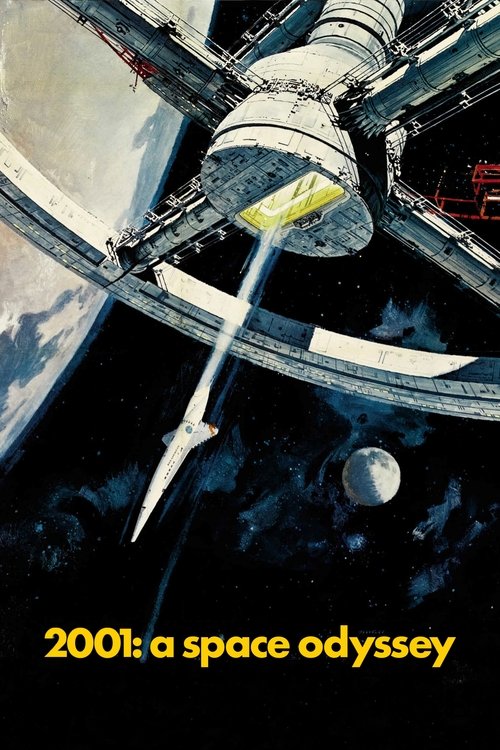
The most colossal and vital sci-fi movie of all time is 2001: A Space Odyssey. Despite Stanley Kubrick making numerous movies after it, 2001 is often considered his greatest masterpiece, since it encompasses all of his filmmaking traits: groundbreaking visual effects, philosophical ambition, and attention to detail. 2001 has influenced countless filmmakers to turn to science fiction as a creative outlet. It's often considered the greatest sci-fi film ever created, and according to many filmmakers and critics, it redefined cinema by turning it into an experience rather than just a storytelling medium.

2001: A Space Odyssey was based on the short stories by Arthur C. Clarke, mainly The Sentinel and Encounter in the Dawn. Clarke also wrote the screenplay for Kubrick's movie, together with the director. The story moves from prehistoric apes discovering tools to astronauts voyaging into the unknown, tracing humanity’s evolution and our relationship with technology. The story settles on a spaceship run by the enigmatic computer, HAL 9000. The moodiness and tension of 2001 are amped up by Kubrick's meticulous imagery, making the movie truly an experience you wish you could see for the first time again.

#4

Psycho

(1960)
8.4 / 10 IMDb

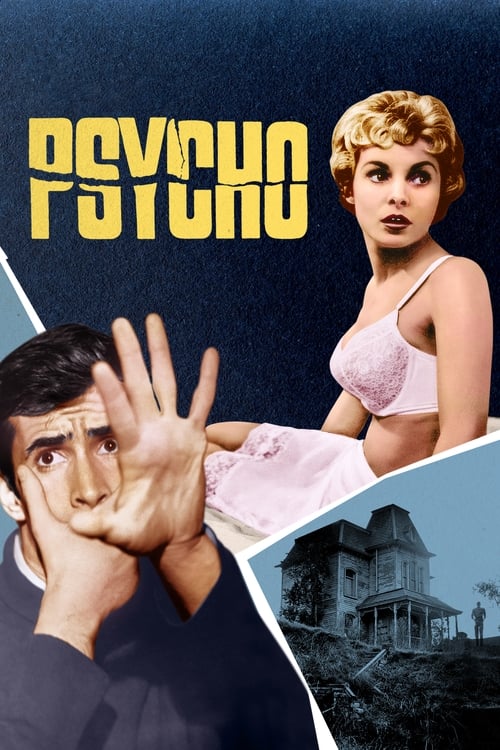
Alfred Hitchcock's movies can be found on many best-of lists, and there are often more than just one. Picking one is extremely difficult, but if there is a single feature film by the king of suspense that truly matters, it's his groundbreaking horror, Psycho. He changed the way horror survives, and revamped linear storytelling and the importance of a strong protagonist. The shower scene, in combination with the gripping sound design, became one of the most famous sequences in film history. Basically, Psycho invented the modern slasher and changed suspense-filled storytelling permanently.

Psycho follows Marion Crane (Janet Leigh), a secretary of a real estate agent who flees after stealing his money. She arranges to meet her boyfriend one state over, and in the meantime, takes refuge at the remote Bates Motel, run by the soft-spoken Norman Bates (Anthony Perkins). Norman seems kind of odd, but he's much stranger than anyone could anticipate; the twists and turns of Psycho remain history-making, and Bates is a villain that will always be imitated and an inspiration.

#5

Alien

(1979)
8.2 / 10 IMDb

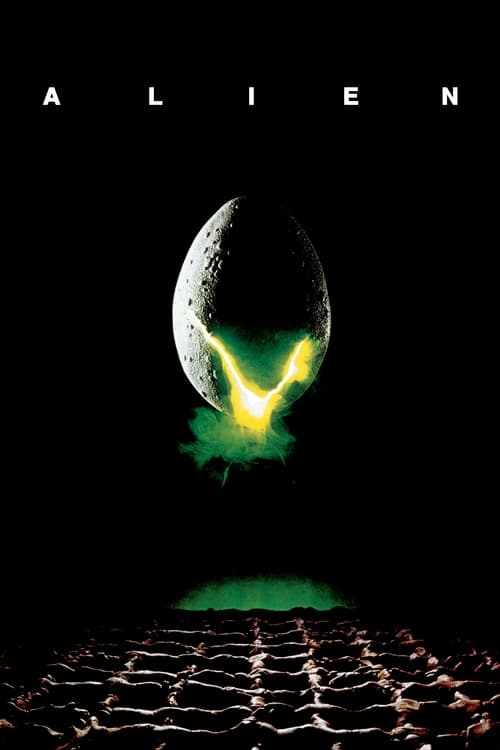
Another Ridley Scott masterpiece, Alien, wasn't a movie that was underrated or underappreciated when it came out. In fact, from its inception to this very day, the film is considered a masterpiece and will be that for, well, ever. Alien is known for revolutionary production design, groundbreaking creature effects by H.R. Giger, and the introduction of a strong female protagonist in a genre historically dominated by male heroes. Alien redefined horror and sci-fi, influencing countless films, television shows, and games in the decades since its release.

Alien follows the crew of the commercial spaceship Nostromo as they respond to a distress signal on a remote planet, only to unknowingly bring aboard a deadly extraterrestrial life form (later dubbed Xenomorph). As the Xenomorph begins picking them off one by one, the crew must confront the terrifying unknown while Ellen Ripley (Sigourney Weaver), the ship’s warrant officer, becomes their most resourceful and resilient survivor. The film masterfully blends claustrophobic suspense with sci-fi spectacle, practical effects with unseen tension, and creates an exciting and unique narrative.

#6
N/A / 10 IMDb

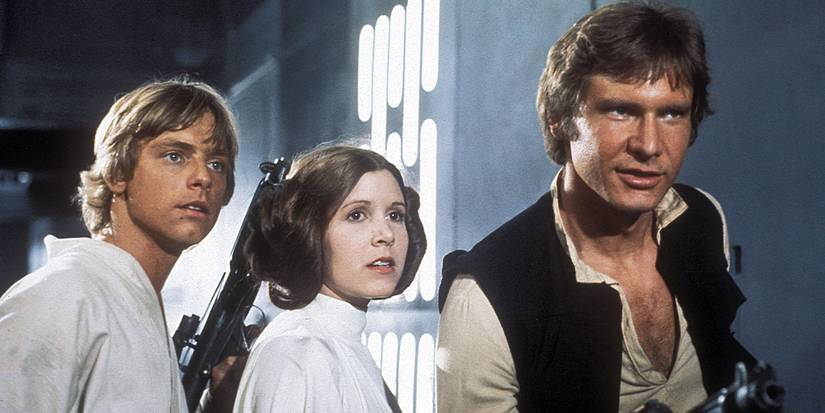
Star Wars has a colossal legacy; it not only became one of the highest-grossing films of all time but also reshaped the very idea of the blockbuster, something only Jaws could achieve before it. Star Wars pioneered new frontiers in special effects through Industrial Light & Magic and ignited a pop-cultural universe that continues decades later. The movie's mythic storytelling was inspired by many things, but George Lucas most notably listed samurai films, Westerns, and Joseph Campbell’s hero’s journey.

Star Wars, later subtitled Episode IV—A New Hope, follows farm boy Luke Skywalker (Mark Hamill), who gets drawn into the Empire versus Rebel Alliance conflict after discovering a message hidden in a droid. With the help of Princess Leia (Carrie Fisher), smuggler Han Solo (Harrison Ford), and mentor Obi-Wan Kenobi (Alec Guinness), Luke joins the Rebel Alliance in their fight against the oppressive Galactic Empire and sets out to destroy the planet-killing Death Star. A New Hope remains one of the most influential films ever released, and an inspiration to filmmakers, audiences, dreamers, and creatives.

#7
8.3 / 10 IMDb

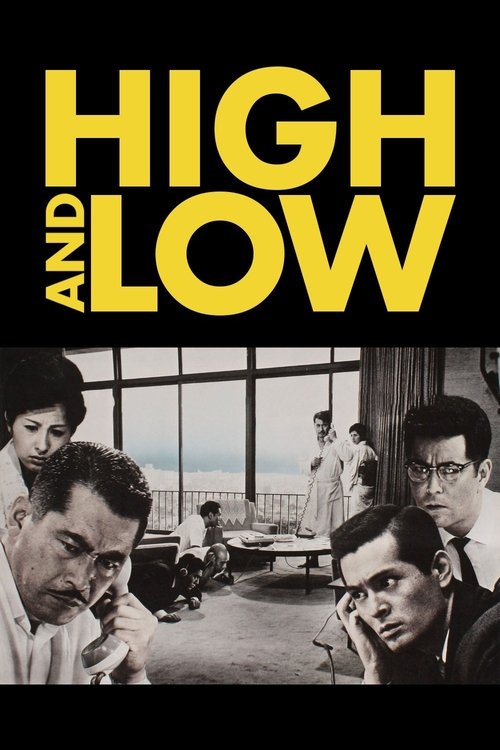
The most compelling police procedural of all time (change my mind) is Akira Kurosawa’s High and Low. The masterful composition of each frame carries particular weight in this intense and morally complex feature; it earned a devoted following worldwide, not just among fans of Kurosawa's work. High and Low is a morality and class tale with layered social commentary on class divides; Bong Joon-ho's Parasite feels inspired in particular by High and Low. The film's structure influenced generations of crime and procedural films, though this one stays the blueprint.

High and Low follows businessman Kingo Gondo (Toshirō Mifune), who, upon preparing to buy the remaining shares of his company, gets a phone call that his son has been kidnapped. However, when it turns out that there was a mix-up and his chauffeur’s son is kidnapped instead, Gondo must decide whether to pay the ransom or continue with his plan of acquisition. The story unfolds as an intense moral drama in the first half, and then turns into a gripping procedural investigation; the movie flies by. It's so well-made and methodical, yet entertaining and attention-grabbing. A masterpiece in the truest sense of the word.

#8
7.9 / 10 IMDb

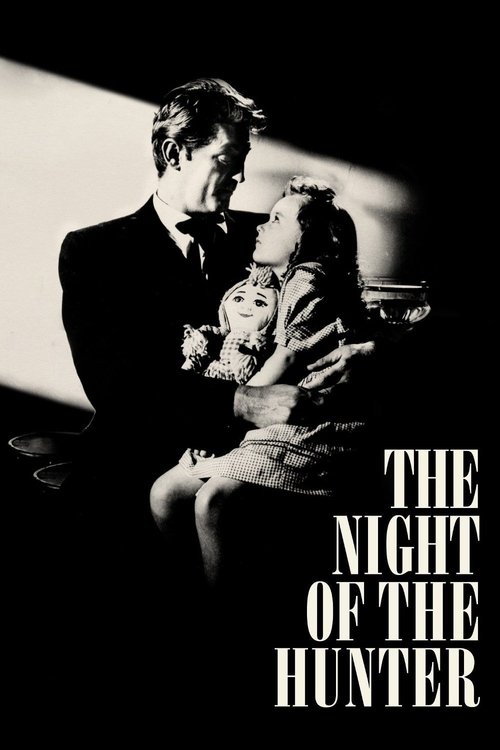
The Night of the Hunter is a true noir powerhouse; this thriller has directors, from David Lynch to the Coens citing it as a major influence on their work. This movie was also overlooked upon release, but cinephiles now applaud its expressionistic visuals and eeriness that takes the fairytale visions of domestic life and turns it into a psychological thriller. Like Anton Chigurh, this movie has its own brand of cinematic psychopath in Harry Powell, played by the irreplaceable Robert Mitchum.

The Night of the Hunter follows a serial killer traveling the country pretending to be a preacher, Harry Powell. While in jail, Powell learns about some hidden money from his cellmate, and after leaving, he goes to the designated place to take the money and begins terrorizing two children. Mitchum’s portrayal of the villainous Powell is chilling and iconic; it may be his most recognizable role, though he's starred in numerous landmarks of cinema. The Night of the Hunter feels decades ahead of its time and stands as one of the most visually unique American films ever made.

#9
7.7 / 10 IMDb

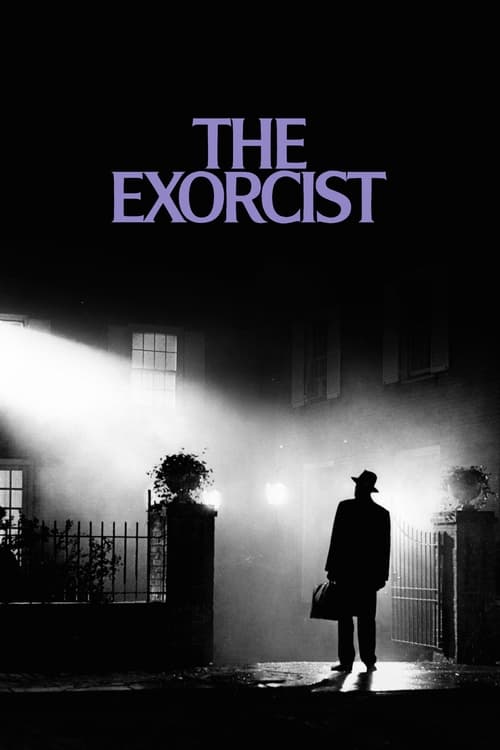
The Exorcist is perhaps the most important horror movie of all time—the one that influenced possession stories and wound up being the first-ever horror film nominated for Best Picture. Beyond just being a straight-up horror film, it's a dizzying story packed with psychological terror, religious themes, and shocking imagery that made it a global phenomenon. The flashes of the demon Pazuzu, as well as the nauseating practical effects and dedication from Linda Blair truly brand William Friedkin's film as an all-time masterpiece.

The Exorcist follows actress Chris MacNeil (Ellen Burstyn), who is temporarily staying in Georgetown with her daughter Regan (Blair) while filming a movie. Regan suddenly undergoes terrifying transformations, for which she is sent to numerous examinations; when priest Damien Karras (Jason Miller) arrives, he realizes a demonic entity has taken hold of Regan's body. The Exorcist broke box-office records and its legacy in shaping the horror genre is immeasurable.

#10
8.1 / 10 IMDb

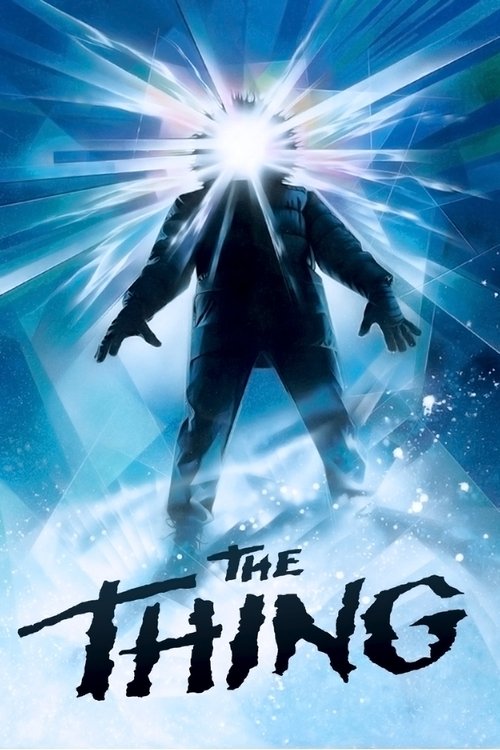
John Carpenter's The Thing was, like some other classics on this list, initially dismissed and misunderstood. Since then, it has become a cult horror classic known for groundbreaking practical effects and an intense, paranoid atmosphere. Its blend of body horror, suspense, and existential dread paved the way for modern sci-fi horror, and many consider The Thing to be Carpenter’s finest film.

The Thing is set on an isolated Antarctic research station settled by American researchers that becomes a battleground when a shapeshifting alien infiltrates the crew. Paranoia spreads as no one can really discern who is still human and who is the alien; Kurt Russell stars as one of the researchers, the man who's willing to take risks and lead among all of them. Despite his preparedness, paranoia is prevalent and dread takes over the atmosphere as much as isolation does. The cold surroundings contribute to the amplified emotions, making The Thing a unique and stunning piece of film.

#11
8.5 / 10 IMDb

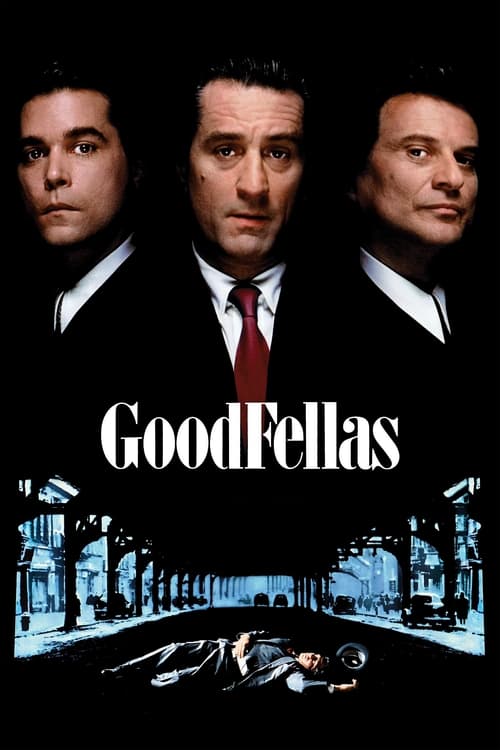
Goodfellas is a massive film, full of great talent, big themes and ideas, and grandiose motivations—and it's completely rooted in real life. It was based on the rise and fall of Henry Hill, a gangster in the New York mafia. Martin Scorsese’s frenetic editing, iconic tracking shots, and a memorable soundtrack make Goodfellas a monumental piece of cinema, reviving the gangster flick and morally gray protagonists. It influenced everything from The Sopranos to modern prestige TV.

As mentioned, Goodfellas follows Henry Hill (Ray Liotta), who narrates his rise through the ranks of the Brooklyn mob led by Paulie Cicero (Paul Sorvino); Hill describes the power, adrenaline, and glamour of gangster life, only to watch everything he created and built crumble under paranoia, betrayal, and drug-fueled chaos. Goodfellas is energetic and has many morally complex characters that you wish to see succeed and fall. The movie safely secured its place as one of Scorsese’s defining works, if not his magnum opus, too.

#12
7.9 / 10 IMDb

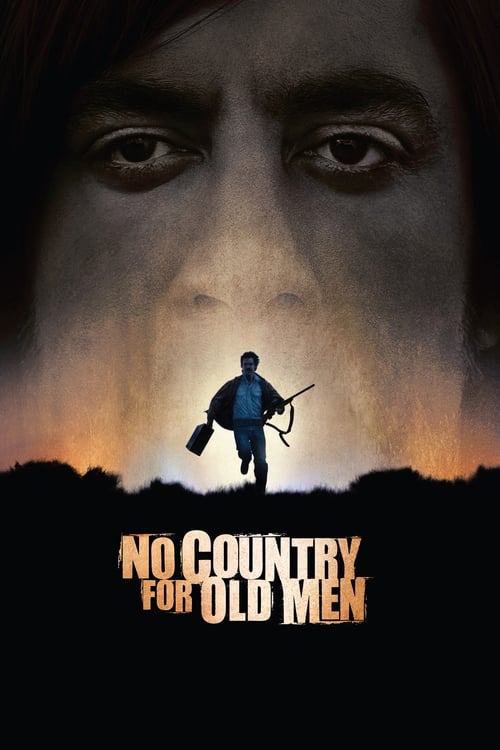
The Coen Brothers’ No Country for Old Men is widely considered a masterpiece for its minimalist tension, existential and philosophical weight, and hypnotizing cinematography. It won four Oscars—including Best Picture—and features one of the most chilling performances in modern cinema in Javier Bardem’s portrayal of serial killer Anton Chigurh. It's the kind of movie that refuses to hold your hand, and the somber tone gives it a mythic quality; its signature stark imagery and fatalistic worldview are widely represented in modern thrillers, neo-westerns, prestige TV, and American cinema at large nowadays.

Set in the desolate Texas–Mexico borderlands, No Country for Old Men follows Llewelyn Moss (Josh Brolin), a hunter who stumbles across a drug deal gone wrong and a suitcase full of money. His decision to take the cash unleashes Anton Chigurh, an unstoppable hitman whose pursuit turns the story into a brutal cat-and-mouse chase. Meanwhile, Sheriff Ed Tom Bell (Tommy Lee Jones) observes from the edges, reflecting on a world that feels increasingly violent and unrecognizable to him. The Coens have many movies that shaped modern cinema, but besides Fargo, No Country for Old Men is often their most discussed feature.

#13
8.2 / 10 IMDb

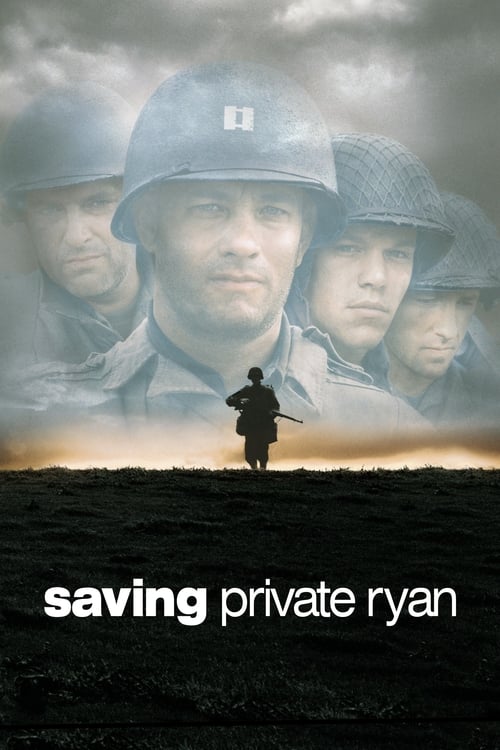
Among many WWII-themed movies, one stands out as a masterpiece of war cinematography and storytelling, and that is Saving Private Ryan. This movie inspired the greatest WWII-themed miniseries, Band of Brothers, with Steven Spielberg and Tom Hanks taking their experiences from Saving Private Ryan and stepping into the story of Easy Company. The movie's opening D-Day sequence amps up war cinematography through a unique use of handheld camerawork and grandiose sound design, approaching it from a realistic and visceral perspective.

Saving Private Ryan takes place during WWII, and follows a group of American soldiers led by Captain John Miller (Hanks), sent to find and rescue Private James Ryan (Matt Damon), the last surviving son of a family that has already lost three children to the war. The group's trek across France becomes a story that weaves themes of duty and sacrifice. Spielberg’s emotional direction and the ensemble's powerful performances helped reinvigorate the war genre during the late 90s; Saving Private Ryan won five Oscars and remains a symbol of moving wartime stories.

#14
8.5 / 10 IMDb

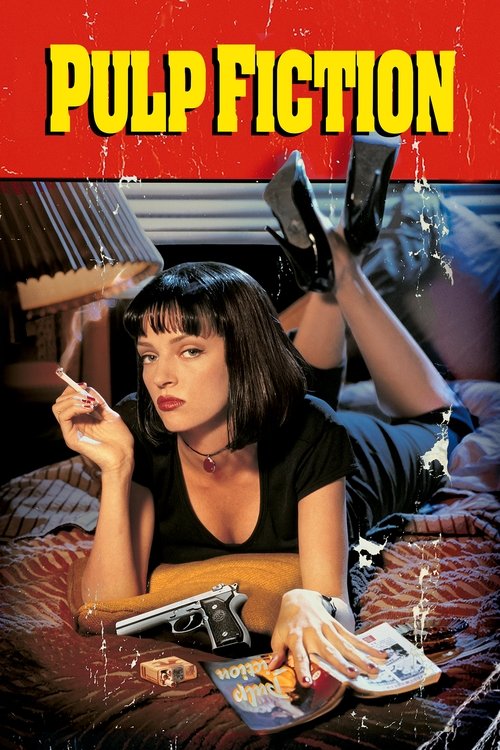
Another Palme d’Or winner, Pulp Fiction, is Quentin Tarantino's masterpiece that revitalized independent cinema. Its structure, dialogue, and style influenced pretty much all crime films that followed, and it still remains a vital piece of filmmaking that represents a good use of non-linear and multi-perspective storytelling. Pulp Fiction cemented Tarantino as a defining voice of 1990s cinema and reshaped the language of cool on screen. Tarantino also used his frequent joker card—reviving a forgotten actor's appeal—by hiring John Travolta as one of the leading men.

Pulp Fiction follows multiple stories and characters, intertwining stories of hitmen, gangsters, a boxer, and a diner holdup. The movie stars some of the biggest names of the 90s, like Bruce Willis, as well as Tarantino's frequent collaborators, Harvey Keitel, Uma Thurman, and Samuel L. Jackson. With impeccable dialogue, unexpected (and borderline comical) twists, and pop-culture-infused scenes, Tarantino's nonlinear crime epic turns into a mosaic of underworld life and modern storytelling.

#15
8.3 / 10 IMDb

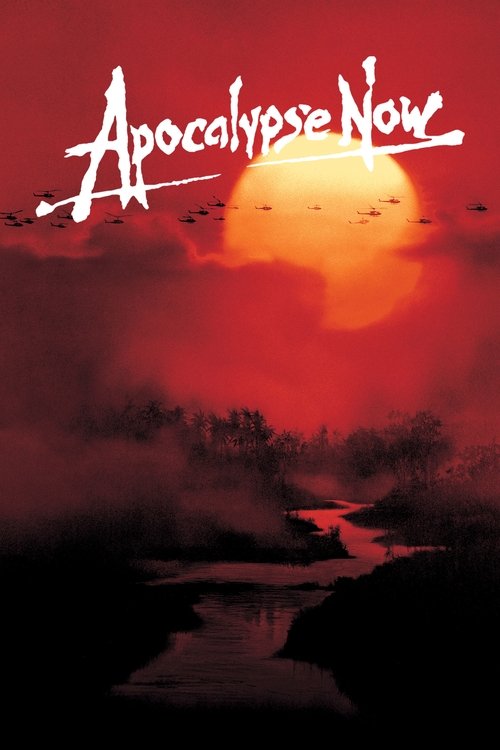
One of the most prominent anti-Vietnam War movies, Apocalypse Now, is a cornerstone of cinema and often considered one of the greatest movies ever made. Francis Ford Coppola was one of the most respected directors of the time, and he gathered a greatly talented star-studded cast and directed a movie that was immediately awarded the Palme d’Or (despite being unfinished). The film’s production was infamous for the chaos that constantly followed it, but the result is a hallucinatory war epic.

Apocalypse Now was adapted from Joseph Conrad's novel, Hearts of Darkness; the novel is set in the 19th century Congo, but the movie is set in Vietnam and takes place during the war. The story follows Captain Willard (Martin Sheen), who accepts a mission to go on a surreal and nightmarish journey to eliminate Colonel Kurtz (Marlon Brando), a decorated officer who has gone rogue. The stunning imagery, sound design, and hypnotic performances (especially Brando and Dennis Hopper) have made Apocalypse Now one of the most respected films ever made.

#16
7.9 / 10 IMDb

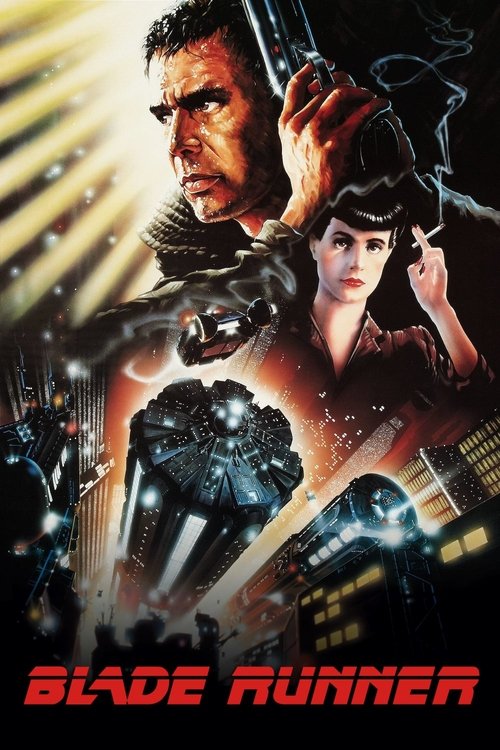
Ridley Scott is a visionary with maybe the most mainstream movies that were initially poorly received and later turned out to be cult classics. Blade Runner is exactly one of those movies—underappreciated upon release, but later recognized as a cornerstone of sci-fi world-building and the cyberpunk aesthetic. Its sci-fi noir feel, atmospheric Vangelis score, and philosophical weight created the foundation for philosophical, mind-bending science fiction. Today, it's studied as a visual and thematic masterpiece.

Blade Runner follows Rick Deckard (Harrison Ford), a weary detective tasked with "retiring" rogue bioengineered humans, aka replicants, who have returned to Earth in search of a longer life. As Rick hunts them, he questions what it means to be human, and whether the replicants have the right to get what they ask for. With an iconic, history-making performance by Rutger Hauer, Blade Runner will remain a classic masterpiece that defined an era, a director, and a movement.

#17
8.2 / 10 IMDb

Speaking of movies that revolutionized action filmmaking, before Fury Road, that movie was The Matrix. The Matrix reshaped pop culture with numerous novelties: bullet-time camera effects, innovative wire-fu choreography, and spreading a philosophy through movement and action scenes. Drawing from anime, philosophers, and computer and hacker culture, the movie set a new benchmark for action and visual style. Its influence is visible in countless films, games, and modern sci-fi works.

The Matrix is a cyberpunk sci-fi thriller about Neo (Keanu Reeves), a hacker who learns that reality is a simulated construct controlled by machines. Guided by hackers Morpheus (Laurence Fishburne) and Trinity (Carrie-Anne Moss), Neo must awaken from the matrix to his true identity and fight for humanity. Despite The Matrix being 26 years old today, a lot of the movie's concepts are still used in pop culture, in particular the "red pill/blue pill" concept and the idea of reality being a construct. The Matrix remains a masterpiece for its unending influence on the world.

#18
7.6 / 10 IMDb

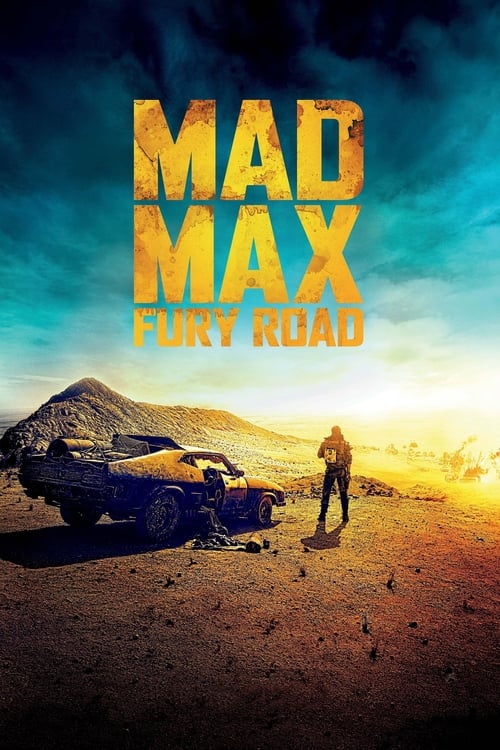
Ten years ago, George Miller released his long-planned sequel to the Mad Max universe—Mad Max: Fury Road. Miller's beloved franchise took a while to return, but with new gadgets and technological advancements, Fury Road came at the perfect time. The film that many consider the greatest action film of the 21st century, has nearly all practical stunts, and boasts relentless visual momentum that inspired modern action filmmaking. It won six Oscars and is praised for its kinetic editing, extraordinary world-building, feminist themes, and minimalist storytelling.

Mad Max: Fury Road is set in a post-apocalyptic wasteland, and follows Furiosa (Charlize Theron), a rig driver, and Max Rockatansky (Tom Hardy), as they join forces and flee the tyrannical warlord Immortan Joe across the desert in a relentless high-speed chase. Their journey becomes an unexpected fight for liberation and survival, bringing the characters love, self-actualization, and courage. A movie that takes place in a very singular setting has themes that extend beyond its physical location, but the Namibian desert, where the movie was filmed, still looks incredible on-screen.

#19

Parasite

(2019)
8.5 / 10 IMDb

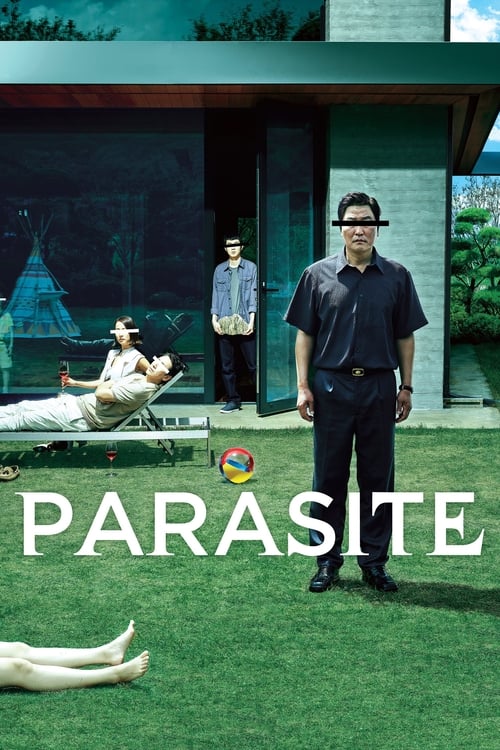
Well, speaking of Bong Joon-ho, another one of his movies makes history as one of the GOATs, the one that gave him international acclaim—Parasite. The movie's landmark victory as the first non-English-language Best Picture winner at the Oscars underscores its cultural impact, but it did more than just win Best Picture; additional awards include Best International Feature, Best Director, and Best Original Screenplay. It's all well-deserved, because Parasite boasts razor-sharp writing, immaculate pacing, and scathing social commentary that contains details, gestures, and notions that spread out through the film and deliver final blows in poetic ways.

Parasite is a genre-bending dark comedy/thriller that follows the poor Kim family as they infiltrate the wealthy Park household under false identities, pretending to be tutors, drivers, and housekeepers. What begins as a clever class satire soon evolves into something far darker and more unpredictable, changing genres halfway but staying on the topic of a gripping class satire. Parasite changed the modern film landscape, in particular ushering in a more standardized appeal of international movies.

#20
8.1 / 10 IMDb

Memories of Murder is one of the earlier works of Bong Joon-ho, the South Korean director who has recently entered film history as an influential artist with greatly thematic stories and poignant messages. Bong took on the colossal responsibility of adapting for film a case that gripped all of South Korea during the 1980s—the serial killings of around a dozen women and girls in Hwaseong, a rural part of the country. Memories of Murder sparked a renewed interest in the case, for which the culprit was finally caught in 2019.

Memories of Murder is set in rural South Korea in the 1980s, and follows two detectives: the local and impulsive, Park Doo-man (Song Kang-ho), and a guest from Seoul, the methodical and analytical Seo Tae-yoon (Kim Sang-kyung). They attempt to solve a string of brutal murders, but the longer the investigation lasts, the more it consumes them. Often considered Bong’s finest film, Memories of Murder blends humor, tragedy, politics, and suspense with remarkable storytelling and visual compositions. Haunting and beautiful, Memories of Murder is a masterpiece everyone should watch at least once.

#21

Get Out

(2017)
7.6 / 10 IMDb

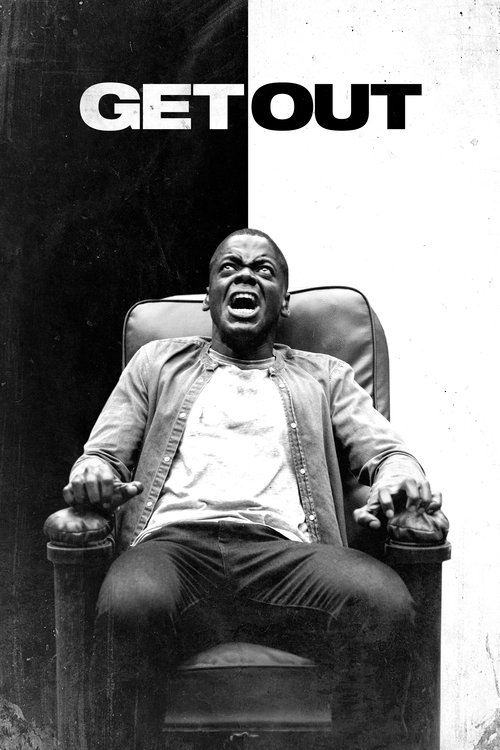
Jordan Peele’s breakout horror-thriller Get Out became a cultural landmark almost right after it came out. Beyond being a Black-directed horror, it is innovative, terrifying, and darkly funny at times, balancing Peele's signature comedic side with his lesser known (at the time) horror affinity. Inspired by stories like The Stepford Wives and Night of the Living Dead, Get Out is revered for its sharp social commentary and blending horror with satire and political critique in a way that felt entirely new. It grossed over $250 million on a tiny budget and won the Oscar for Best Original Screenplay.

Get Out follows Chris (Daniel Kaluuya), a Black man visiting his white girlfriend Rose's (Alison Williams) seemingly liberal family. What begins as awkward meet-the-parents discomfort slowly escalates into a chilling revelation about the family's true intentions. The wimpact of the story reshaped modern horror, proving the genre could be both terrifying and socially incisive; it's often part of pop culture, too, with many people adopting the phrase "the sunken place" to describe Black individuals who adopt distinct attitudes more akin to white culture, most notably regarding political affiliation. The cultural importance matters just as much in naming Get Out a masterpiece of cinema.

#22
8.1 / 10 IMDb

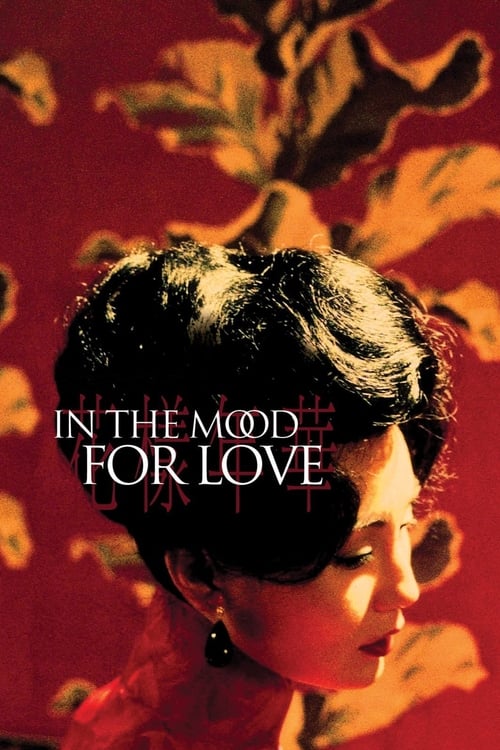
Wong Kar-wai is one of the most influential directors of all time, and each one of his movies is on someone's all-time favorite list. From Chungking Express to The Grandmaster, the range of masterpieces from Wong never disappoints. Out of all, In the Mood for Love has the masterpiece reputation because of Wong's signature lush cinematography, hypnotic use of music, and meditative, emotion-filled storytelling. In the Mood for Love perfectly captures yearning and unspoken emotion, something rarely depicted on film with such a beautiful and moody color palette. (Quick recommendation: if you like movies like this, watch The Secret In Their Eyes).

In the Mood for Love is set in 1960s Hong Kong and centers on two neighbors, Su Li-zhen (Maggie Cheung) and Chow Mo-wan (Tony Leung Chiu-wai), who suspect their spouses of infidelity. Su and Chow are bound by mutual loneliness, and over time, they form a tender but restrained connection, filled with longing glances and electricity between them without ever touching. In the Mood for Love is often cited as one of the most beautiful films ever made.

#23
8.5 / 10 IMDb

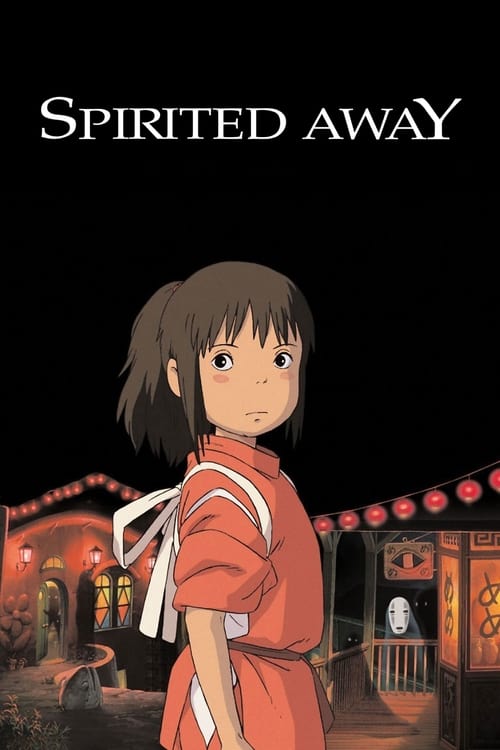
Though many animated movies have the chops to carry the torch of GOAT movies, Spirited Away is simply the most universally acclaimed animated film that feels like it represents the medium perfectly. In a way, it does—Hayao Miyazaki is a strong proponent of cultivating one's creativity and drawing all of his movies by hand; he's the truest, purest believer in animation as an art form, so Spirited Away earns this spot with all merits. This movie won the Oscar for Best Animated Feature, becoming the first (and still the only) hand-drawn, non-English-language film to do so.

Spirited Away tells the story of Chihiro, a young girl trapped in a spirit realm after her parents are transformed into pigs. She has to navigate a surreal bathhouse run by witches, spirits, and unpredictable creatures to rescue her family and return home; this forces Chihiro to quickly learn responsibility and grow up. The movie's layers of symbolism include coming-of-age and environmental themes; together with a beautiful visual identity, Spirited Away is endlessly rewatchable.

#24
8.7 / 10 IMDb

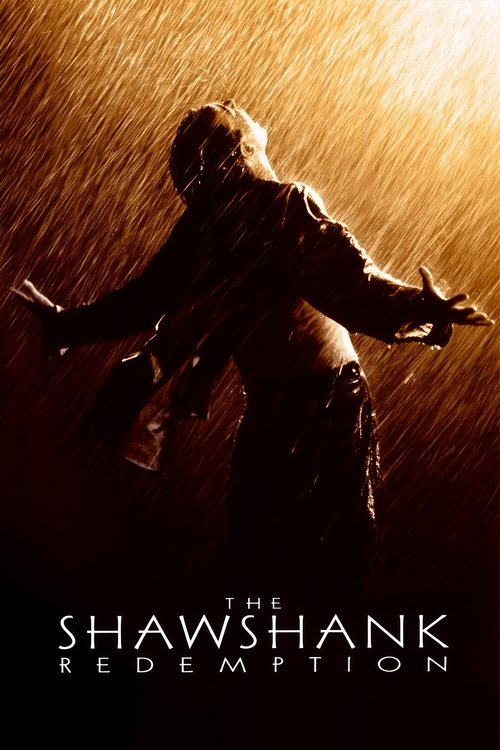
Another 90s icon of cinema, The Shawshank Redemption, wasn't an immediate box-office success, but it soon became a staple of modern cinema through word-of-mouth, home video, and television. Shawshank was based on the novel of the same name by Stephen King, and carries themes of hope, dignity, and perseverance, which resonate universally; this greatly helped make the movie enter history as a piece advocating for hope in a dark place. Directed by Frank Darabont, and starring Morgan Freeman and Tim Robbins, Shawshank is a timeless piece of cinema.

The Shawshank Redemption follows Andy Dufresne (Robbins), a man wrongly convicted of murder, as he navigates life at the Shawshank State Penitentiary. Over two decades, he forms a profound friendship with fellow inmate Red (Freeman), slowly carving out a life within the prison walls while secretly planning his escape. With both Freeman and Robbins' career-defining performances and a relatable, emotional script, the film is often cited as one of the most beloved ever made.

#25

Titanic

(1997)
7.9 / 10 IMDb

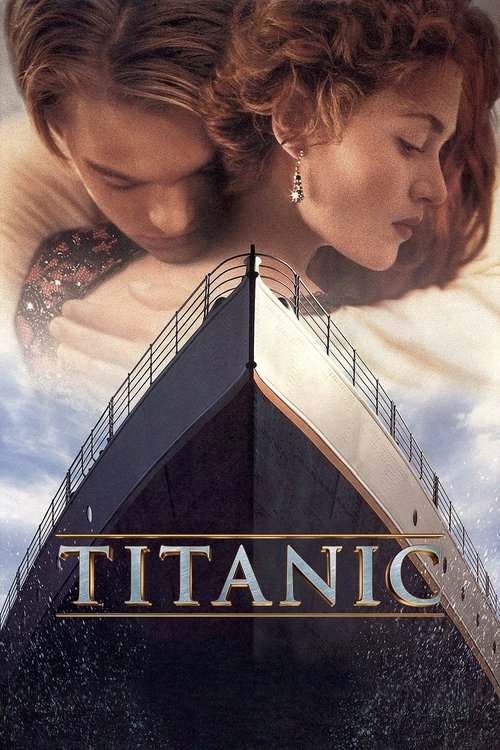
The 90s were full of defining movies that changed the landscape of cinema, and James Cameron’s Titanic is one of them. It's considered a masterpiece for its groundbreaking blend of emotional storytelling and technological innovation; usually, movies with expensive effects and technology focus on making the technical investment stand out, but with Titanic, the fated and sweet love story amplifies the stakes of the disaster and turns it into a larger-than-life kind of film. With a box-office score of over $2.2 billion worldwide, Titanic was the highest-grossing film in history for over a decade and won 11 Oscars.

Titanic tells a magnificent and epic love story of Jack (Leonardo DiCaprio), a free-spirited artist, and Rose (Kate Winslet), a wealthy young woman trapped in a suffocating life. They meet aboard the RMS Titanic, during its historically known maiden voyage, and sparks fly; Jack and Rose become one of the most wonderful on-screen couples with beautifully intense and romantic energy. Titanic's practical sets, CGI breakthroughs, iconic score, and universal emotional appeal cemented it as a cultural event rather than simply a movie.