Top 20 Movie Masterpieces of the Last 100 Years, Ranked
overall

Top 20 Movie Masterpieces of the Last 100 Years, Ranked

By Streamix Editors March 1, 2026 20 items

All things considered, cinema is an incredibly young art form. Even still, you would never guess that considering the sheer myriad of masterpieces that the medium has put out over the course of the last 100 years. From 1926 to the present, there have been too many generation-defining films to count, all of them proof that cinema—when done right—truly can approach perfection.

From modern masterpieces like Mulholland Drive to foreign classics like Metropolis, the biggest movie masterpieces of the last century are the reason why this is such a beloved art form. From the emotional to the hilarious, from the exciting to the slow-burning, from the experimental to the crowd-pleasing, it's all top-form filmmaking. For variety's sake, only one movie per franchise can be considered for this list. Other than that, anything and everything is fair game.
#1
8.0 / 10 IMDb

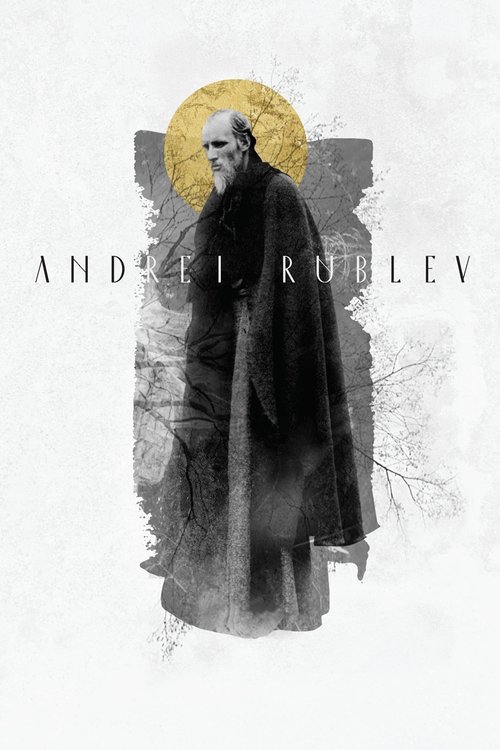
Soviet auteur Andrei Tarkovsky was a poet with a camera, one of the biggest treasures that have ever come out of the world of international arthouse cinema. His untimely death from cancer at just 54 years old in 1986 was a tragedy, but he left behind one of the most stacked oeuvres of any filmmaker in history. There isn't a single Tarkovsky movie that's not a masterpiece, but there also isn't a single film in existence that even comes close to what Andrei Rublev achieves.

It's cinema at its most transcendental, and though it's definitely a very slow burn, it's one that rewards viewers' patience with some of the most intricate thematic work, the most beautiful visuals, and the most artful storytelling of any film ever made. It's one of the best slow-burn movies ever made, a sprawling historical epic just as much as it is an intimate character study. Its meditation on art, religion, spirituality, and the way these three things intersect is fascinating, and it makes for what's undoubtedly the greatest movie masterpiece of the last 100 years.

#2
8.7 / 10 IMDb

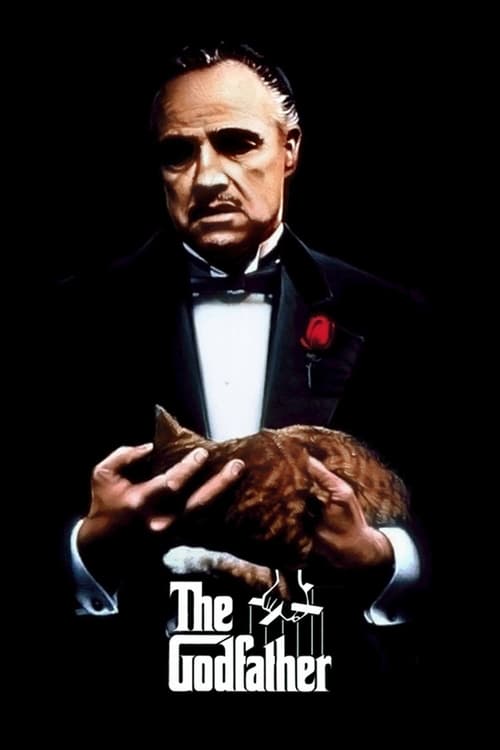
Many would point to The Godfather as the greatest film ever made. It's hard to blame them. Its sequel is almost every bit as good (and the only reason it's not on this list is that pesky one-film-per-franchise rule), but there's no beating the original, perhaps the defining outing of the New Hollywood film movement. With this gem, Francis Ford Coppola established himself as one of the greatest and most groundbreaking directors of his generation.

It's one of the best movie masterpieces of all time, a film that comes as close to true perfection as any film that's ever been made. The visuals, the writing, the performances, the pacing—it's all virtually faultless, yet consistently exciting and full of surprises. The Godfather has aged like fine wine, and it will very likely continue to be cherished and endlessly studied by cinephiles across the world for generations to come.

#3
8.1 / 10 IMDb

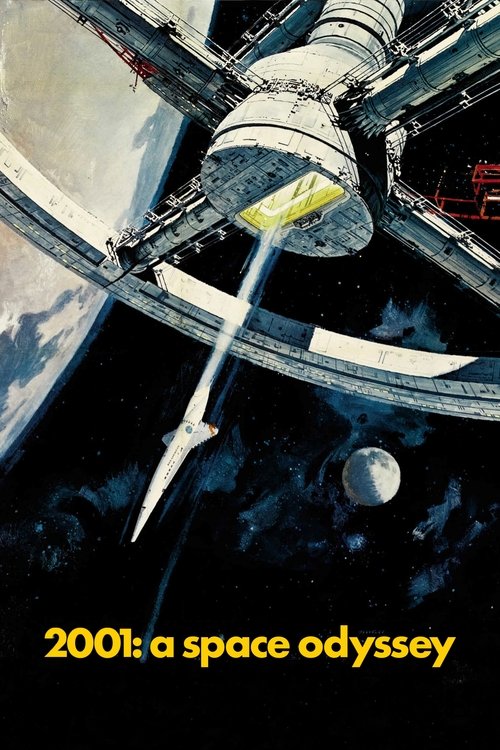
There are many who claim that Stanley Kubrick is the greatest movie director that's ever lived, and it's by no means a wild take. All it takes is one look at his magnum opus, the slow-burning space opera 2001: A Space Odyssey, to see why this artist is still so acclaimed. It's the greatest science fiction film ever made, as well as one of the best movies of the 20th century.

The plot of the movie spans millennia, and quite fittingly, its thematic work is also a sprawling contemplation of the human condition and humanity's evolution alongside technology. It's a huge, thoughtful, thought-provoking masterpiece, with some of the most gorgeous visuals the genre has ever seen. It's far more than just top-tier sci-fi: It's top-tier filmmaking, period.

#4

Ran

(1985)
8.0 / 10 IMDb

By the time he made Ran, legendary Japanese auteur Akira Kurosawa (perhaps the greatest filmmaker who ever lived) was already partly blind. Even still, he made what's arguably the best-looking live-action movie in history, with perfectly calculated visuals based on storyboards that Kurosawa hand-painted himself. This was a passion project for the director, who started developing the movie in the mid-'70s, and the result ended up being one for the history books.

Not only is Ran a masterpiece: It's absolutely transcendental. It's one of the greatest cinematic epics of the last 100 years, a stunning adaptation of Shakespeare's King Lear that, while paying respect to the Bard's work, nevertheless has "Kurosawa" written all over it. The action is enthralling, the colors seem to pop right out of the screen, and Tatsuya Nakadai offers one of the greatest acting performances in movie history. What more could one possibly ask from a war movie?

#5
8.0 / 10 IMDb

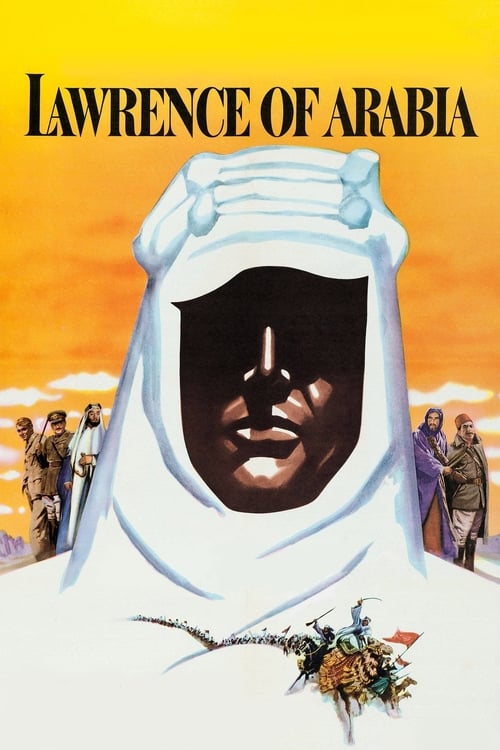
Many filmmakers have made exceptional cinematic epics over the course of history, but there's one man who will always be remembered as the master of the genre: David Lean, whose Lawrence of Arabia may very well be the greatest World War I film ever made. Simultaneously a vast, sprawling epic and a deeply personal and intimate look at the life of T. E. Lawrence, it's one of the best war movie masterpieces ever.

It's almost unbelievable that this was Peter O'Toole's first major leading role in a film, since his performance feels like the work of a master who's spent decades honing his craft. Lean's direction is just as jaw-dropping, as the director perfectly balances huge combat sequences with far more visceral character moments. It's a character study just as much as it is an epic, and it's definitely one of the greatest films ever made.

#6
8.5 / 10 IMDb

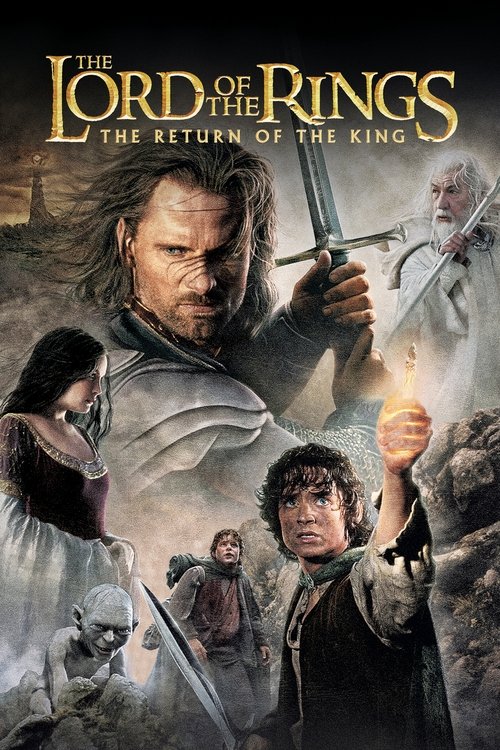
Over the course of the last 100 years, there have been many excellent epics that prove cinema is just as ideal of a medium as the novel to tell grand, sweeping stories of heroism defeating evil. Few films prove that as well as The Lord of the Rings: The Return of the King, the gargantuan conclusion of Peter Jackson's adaptation of J.R.R. Tolkien's legendary eponymous trilogy of fantasy books.

The concept of a crowd-pleaser may sound like a movie that doesn't aspire to much artistic merit, but Return of the King—nothing less than the best crowd-pleasing movie ever—proves that wrong. Winner of a whopping 11 Academy Awards (a record, tied with Ben-Hur and Titanic), it's perhaps the greatest fantasy film ever made, full of emotional moments, thrilling battles, satisfying character arcs, and unforgettable deployments of fantasy tropes and elements.

#7
8.3 / 10 IMDb

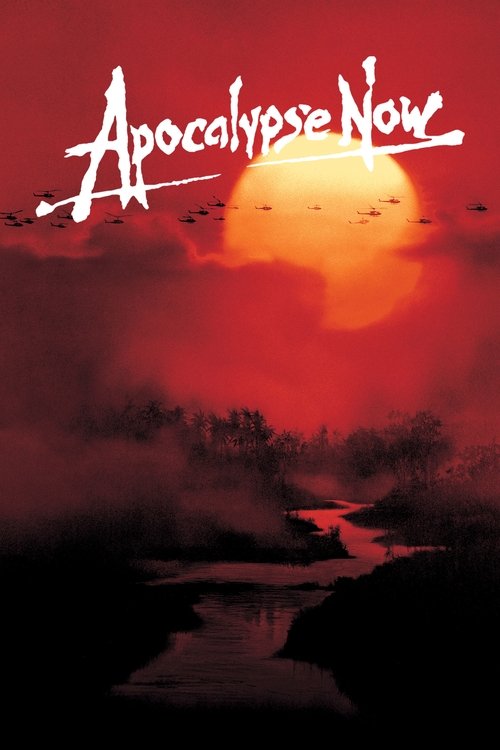
Calling Francis Ford Coppola's Apocalypse Now one of the most ambitious movies of the 20th century—nay, of all time—would be an incredible understatement. This Vietnam War epic went through what's notoriously one of the most hellish productions in the history of cinema, but the end result couldn't have been more worth the ordeal. It is, plain and simple, one of the greatest films ever made.

Loosely inspired by the 1899 novella Heart of Darkness by Joseph Conrad, Apocalypse Now is a surreal boat ride down the River Styx right to the heart of the Underworld. Many war movies tend to fall into the pitfall of making war seem thrilling; but in Apocalypse Now, Coppola truly makes war seem like hell on Earth, scathingly showing how war causes the breakdown of morality and civilization. With Martin Sheen and Marlon Brando at their best, exemplary cinematography and production values, and an enthralling atmosphere, it's no wonder this is praised by some as the best war film of all time.

#8
8.5 / 10 IMDb

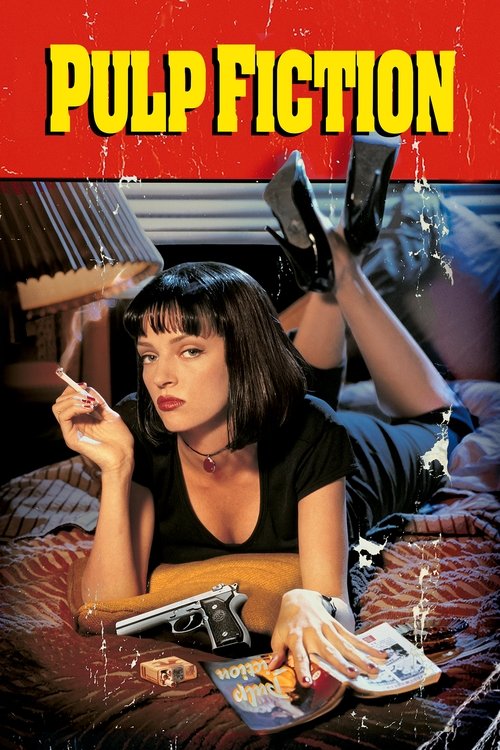
His taste in actors may not be the best, but there's no point in denying that Quentin Tarantino is one of the greatest and most influential writer-directors that Hollywood has ever seen. The question of what his masterpiece is, frankly, is no question at all: It would have to be the 1994 Palme d'Or winner, only Tarantino's second-ever feature film, Pulp Fiction.

Virtually every multi-story film that's come out since 1994 is in some way indepted to Pulp Fiction, which is easily one of the most influential movies of the '90s—as well as one of the best movie masterworks of the last 40 years. Flawlessly written, full of great performances, and with some of the best use of non-linear storytelling in movie history, it's a pulpy masterpiece that's aged like fine wine.

#9
7.4 / 10 IMDb

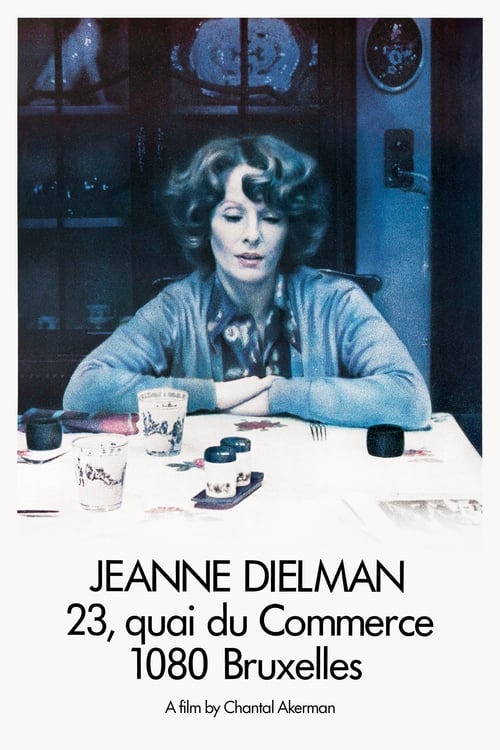
99% of the time, films—even arthouse films with long runtimes and glacial pacing—are designed to be entertaining in some way. Whether that entertainment value comes from an action-packed narrative, a beautiful tale of romance, or even just a slow-burning and highly philosophical character study, entertainment is typically at the core of cinema. That's why the Belgian film Jeanne Dielman, 23 quai du Commerce, 1080 Bruxelles, directed by Chantal Akerman, is so special. Akerman gives us a shoestring-budget 3-and-a-half-hour drama (though it feels longer) designed to be boring from the get-go.

That's because Jeanne Dielman is all about bringing attention to the ignored value of housework and the monotony of a life based on repetitive routines. It's feminist cinema through and through, as well as slow cinema at its best. For people who enjoy slow-paced arthouse movies, it's an unforgettable must-see, with a mesmerizing lead performance by Delphine Seyrig and an ending that packs a hell of a punch.

#10
8.0 / 10 IMDb

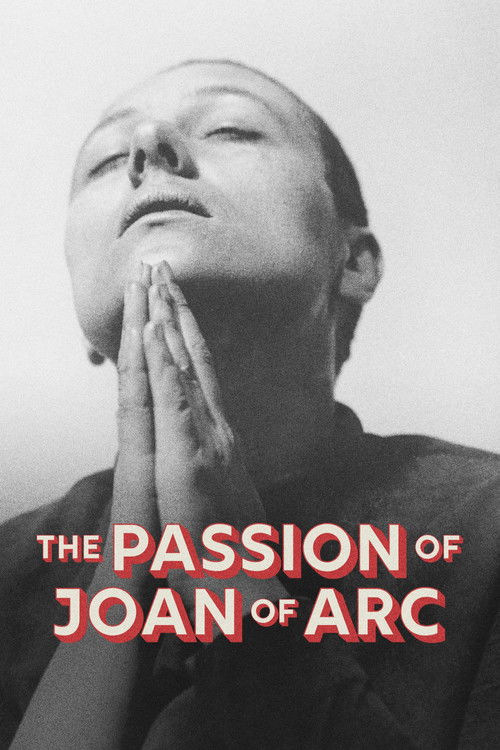
Yet another one of the greatest silent films ever made, the French historical drama The Passion of Joan of Arc is probably best known for containing in Maria Falconetti's portrayal of the titular historical figure the greatest acting performance in movie history. But the movie is far more than just a vehicle for an exceptional performance: It's a masterpiece in its own right, through and through.

Carl Theodor Dreyer's direction is gorgeous, with the movie containing several of the most visually beautiful shots in film history. It's the kind of film that you can pause at any given moment and get a visual worthy of hanging up on your living room wall. The supporting cast does a phenomenal job as well, and though the movie is undeniably gut-wrenching, it's also one of the most spiritually transcendental dramas of the first half of the 20th century.

#11
7.8 / 10 IMDb

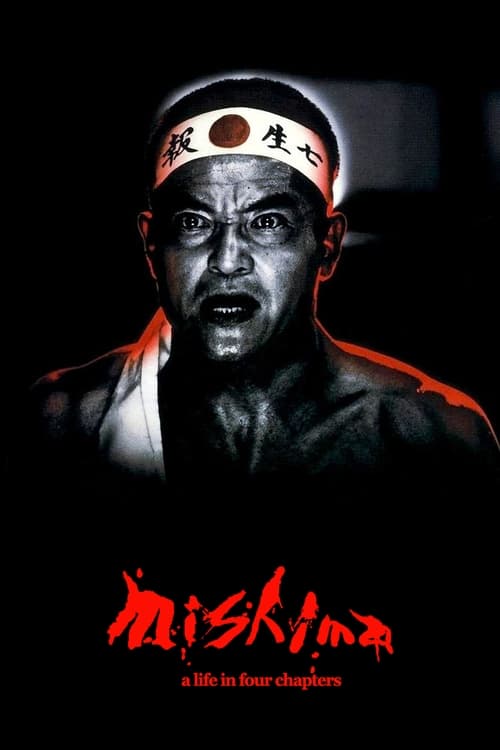
The biopic genre can get a little trite when filmmakers decide to just bring a Wikipedia article to life, but when they take an approach as unique as the one Paul Schrader took when he made Mishima: A Life in Four Chapters, they can have an all-timer on their hands. An all-timer is definitely what Mishima is, a visually striking gem that takes elements from writer, actor, and martial artist Yukio Mishima's work to dive deep into what made him tick.

By the time the credits roll, you feel like you've gotten to know Mishima with far more detail than if Schrader had simply explored his life from birth to death. That's what makes this one of the greatest arthouse biopics of all time, a technically flawless and beautifully written masterpiece that's unlike any other biopic drama ever made.

#12
7.9 / 10 IMDb

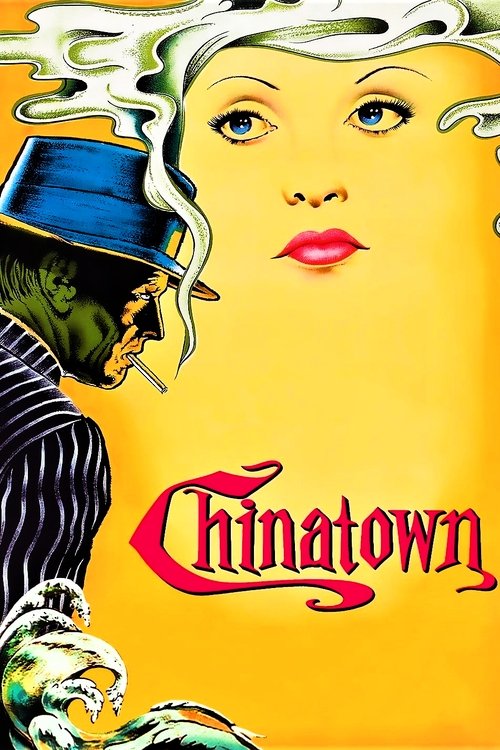
Bolstered by Robert Towne's airtight screenplay, easily one of the greatest ever written for a feature film, Chinatown is likewise one of the greatest movies of all time. This neo-noir thriller is as bleak as they come, so it's definitely not for the faint of heart; but people with the stomach for a crime film without mercy are in for a hell of an unforgettable ride.

It's one of the best slow-burn thrillers of all time, a uniquely structured crime drama where, instead of tackling a large mystery and narrowing down his answers, the leading man (played by a top-form Jack Nicholson) approaches what at first seems like a simple enough mystery, but soon turns into something far denser than any one detective can handle. Technically masterful, packed with extraordinary performances, and concluding with one of the bleakest yet greatest endings in movie history, it's a masterpiece from beginning to end.

#13
8.0 / 10 IMDb

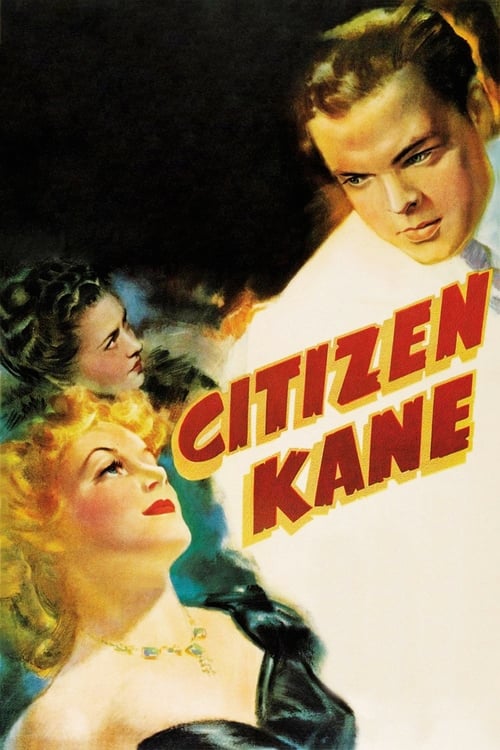
There are those who say that Orson Welles' debut, Citizen Kane, is the greatest film of all time. Though it's not all that complicated to make a case against that statement, denying that this is one of the greatest, most groundbreaking, and most influential films ever made would simply be silly. It's one of the biggest drama movie masterpieces of all time, a stunning debut that put Welles on the map and changed Hollywood filmmaking forever.

From the non-linear structure of the script to Welles' many revolutionary ways of handling the camera and his actors, Citizen Kane established a new gold standard for American filmmakers going forward. 85 years later, it's still just as great as it's always been. The acting is impeccable, the pacing is superb, the story's fascinating, and the character of Charles Foster Kane is one of the most nuanced and intriguing of Hollywood's Golden Age filmography.

#14
8.1 / 10 IMDb

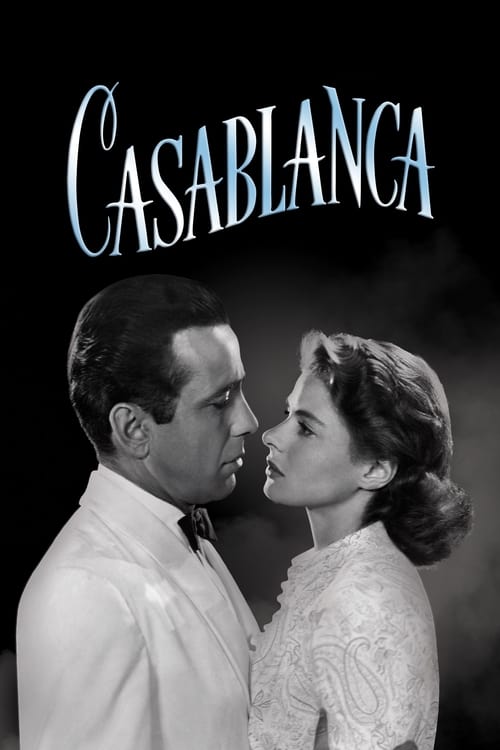
Casablanca may very well be the most romantic film ever made, but this World War II drama (made right in the midst of the conflict) is also a timely tale about sacrifice and political commitment made at a time when both themes seemed to be on everyone's minds. Directed by Michael Curtiz, this is one of the most perfect WWII movies ever made.

Anchored by Humphrey Bogart and Ingrid Bergman's image-defining performances, Casablanca is as beautiful and emotional as it is mature and world-weary. Upon release, it wasn't exactly an instant hit; but with time, the film pretty much birthed the cult cinema phenomenon, and it's nowadays praised as one of the greatest war films and romantic dramas ever made—for good reason.

#15
8.5 / 10 IMDb

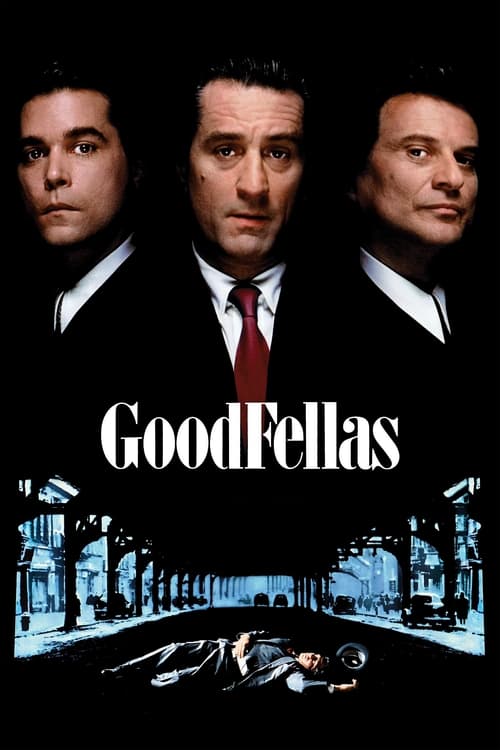
Many would make the claim that Martin Scorsese is the greatest living filmmaker, and it wouldn't be an easy task to argue against that kind of praise. The director has made masterpiece after masterpiece over the course of his incredibly prolific career, but never has he been better than when he made what's aged as his most iconic work, Goodfellas.

Scorsese was a master of the gangster movie genre, and Goodfellas displays every reason why. It's one of the most perfect gangster films ever, an essential classic full of great and quotable dialogue, compelling characters, and extraordinary performances. It's surprisingly fast-paced for a two-and-a-half-hour epic, but it's also full of the kind of smaller, more focused (though not necessarily quiet) character moments that make Scorsese's work so strong every time.

#16

Persona

(1966)
8.1 / 10 IMDb

The great Swedish auteur Ingmar Bergman was one of the greatest European filmmakers in history, a master of his craft who constantly made some of the most depressing arthouse movies imaginable. He also often made use of some beautiful surrealism, and none of his films are more head-scratchingly surrealistic than his magnum opus, Persona.

It's one of the best foreign arthouse movies ever made, a thought-provoking drama about duality and identity bolstered by Bibi Andersson and Liv Ullmann at their absolute best. Bergman's mastery over tone, atmosphere, pacing, and theme is at its strongest here, and though the movie's definitely a bit too strange for people who have never seen the director's work to start there, those more versed in the world of arthouse ought to check it out at least once in their lives.

#17
8.4 / 10 IMDb

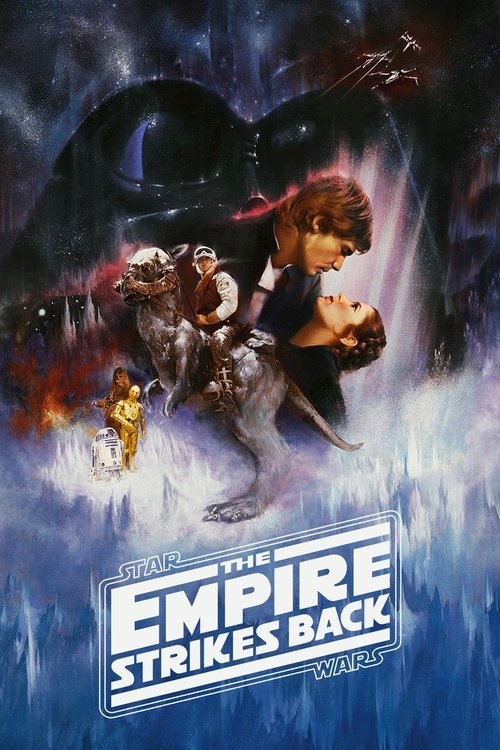
George Lucas' Star Wars franchise needs no introduction. It's arguably the biggest and most iconic transmedia franchise in history, comprised of not just several excellent TV shows, video games, books, and comics, but also some of the most entertaining sci-fi movies of all time. When the conversation comes to which Star Wars movie is the best, though, the answer is always clear: The title must go to Irvin Kershner's Episode V — The Empire Strikes Back.

It's one of the best movie masterpieces of the last 50 years, a groundbreaking sequel that builds on everything that Episode IV — A New Hope invented back in 1977 in all sorts of delightful ways. It's good ol' Hero's Journey storytelling at its most perfect, full of engrossing character arcs, timeless themes of good vs. evil, and thrilling action sequences. It has what's probably the most iconic plot twist in movie history, and its dark ending is one of the best in sci-fi film history.

#18
8.1 / 10 IMDb

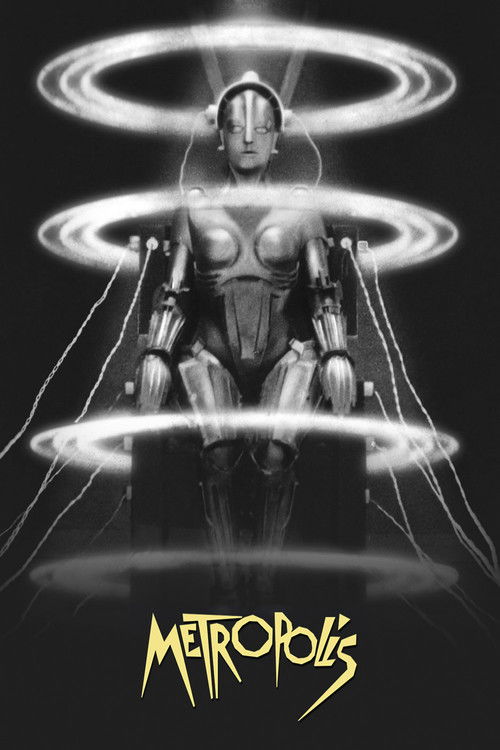
Cinema was still in its infancy during the early 20th century, particularly as a storytelling medium and an art form. During its silent days, film was still starting to prove the kinds of things that it could do not as a novelty fairground attraction, but as the Seventh Art. German filmmaker Fritz Lang was one of the most important European figures in those early days of movies, and with Metropolis, the man practically invented what we now understand as feature-form science fiction.

Released on the same year that talkies were born over in the U.S., the silent sci-fi epic Metropolis is one of the best sci-fi masterpieces of the last 100 years, and perhaps even the single most influential sci-fi film in history. Everything from its groundbreaking props and production design, Lang's striking camerawork, powerful performances, and simple but hard-hitting script laid the groundwork for what virtually every future sci-fi filmmaker would do going forward.

#19
7.8 / 10 IMDb

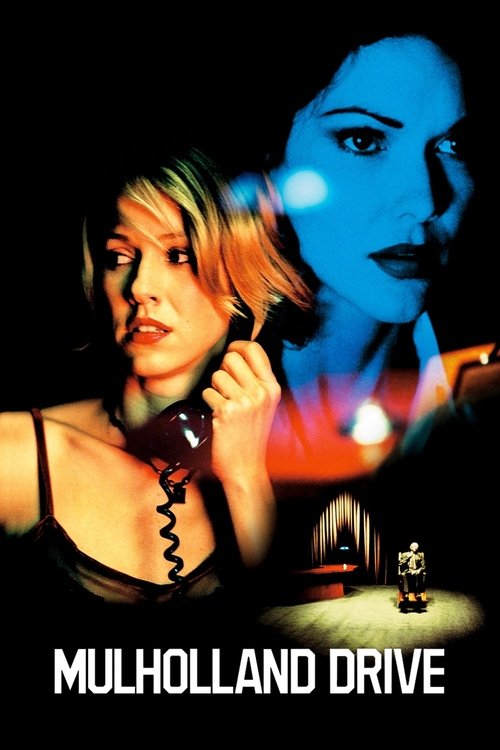
Saying that the late David Lynch was a master of his craft would be an understatement. The man was such a pillar of cinematic surrealism that whenever a film elicits the same kind of macabre, mundane, and dreamlike tone that his work is built on, it's called "Lynchian." But while the auteur's oeuvre is full of excellent films, like any great director, he too had a magnum opus: Mulholland Drive.

It's no coincidence that this was Lynch's penultimate feature film. It feels like everything the director's career had been building up to for nearly three decades, a scathing critique of the Hollywood dream just as much as it is a thought-provoking study of identity and desire. It's one of the definitive movie masterpieces of the 2000s, a film that entirely reinvents itself halfway through and packs an unparalleled punch by the time the credits roll as a result.

#20

Aftersun

(2022)
7.7 / 10 IMDb

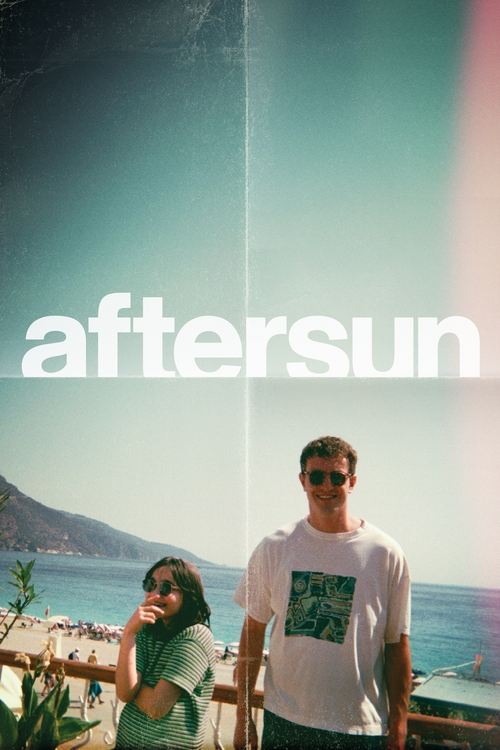
The 2020s have seen the release of several great films, but only one truly worthy of being considered among the greatest masterpieces of the last century: Charlotte Wells' Aftersun, a semi-autobiographical coming-of-age drama that may just be among the most emotional movies of all time. Sure, Aftersun will grab your heart and squeeze it like a soda can, but it's also one of the most beautiful, poetic, and tender films in recent memory.

The simplicity of a plot about a father and daughter vacationing in a Turkish resort is undeniable, but from that simplicity, Wells draws a level of emotional sincerity and an artful rhythm without equal. The way the camera moves in all sorts of unexpected ways, Paul Mescal and Frankie Corio's larger-than-life performances, the gut-wrenching ending; all the elements are there for what will surely prove to be a timeless masterpiece.