55 Best Sci-Fi Movies of All Time, Ranked
genre lists

55 Best Sci-Fi Movies of All Time, Ranked

By Streamix Editors March 1, 2026 55 items

The science fiction genre has been one of the most consistently thrilling to explore throughout the history of cinema. The way a visual medium like film can depict futuristic worlds or alternate realities means that almost anything that can be imagined can be depicted on-screen. Since the silent era, filmmakers have been using the medium to their advantage, commenting on humanity's present and hypothesizing about its future through the science-fiction genre.

There are countless great sci-fi movies that have been released since the birth of cinema as an art form, and it's ultimately futile to try and name every single amazing one. There are simply too many top sci-fi movies, and it's a genre that's still thriving, with new potential classics released seemingly every year. The following are among the best of the best from the sci-fi genre, being classics for their entertainment value, excellent technical qualities, and historical significance, and are ranked below in order from great to greatest.
#1
8.1 / 10 IMDb

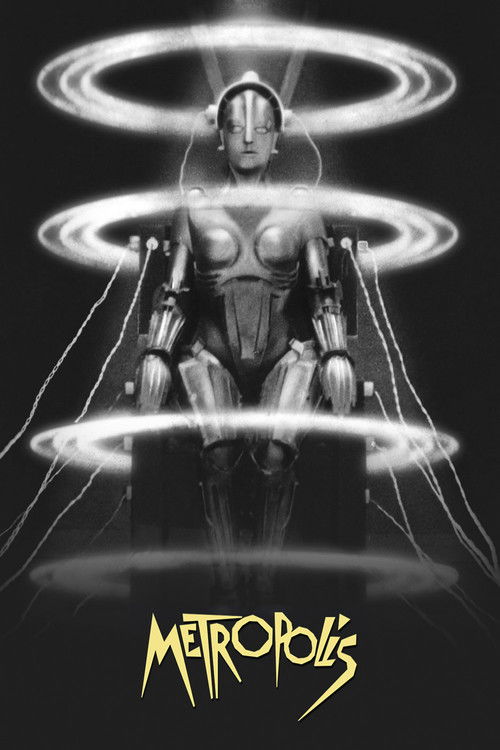
It's amazing to think that perhaps the definitive science-fiction film was almost lost to time, yet it thankfully now exists in a 99% complete format. That movie is the 1927 silent epic Metropolis, which tells a seemingly timeless story about class warfare, revolution, and what would have to be done to prevent humanity from going to war with itself as the years go on.

Being set in the titular Metropolis, it manages to depict both a utopian society and an underground/dystopian one at the same time, given it's the workers who keep the city running, but only the rich bourgeoisie who enjoy its benefits. It wasn't the very first sci-fi movie, but it was the first masterful one, and it's possible to feel its influence in the majority of sci-fi films that followed in its wake. For its cinematic influence, surprisingly relevant narrative, creative special effects, and pacing that still feels efficient and quick, Metropolis stands as arguably the best science-fiction film of all time.

#2
7.9 / 10 IMDb

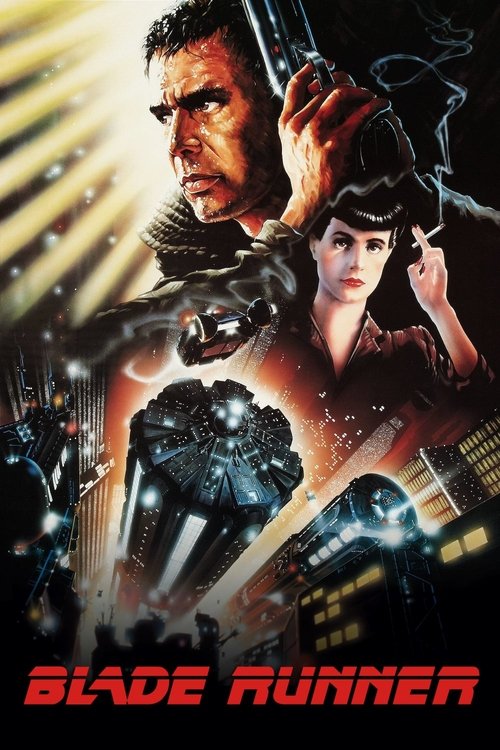
Just three years after Alien, Ridley Scott directed another science-fiction classic that's admittedly very different, but arguably just as legendary and influential for the genre as a whole. That film was 1982's Blade Runner, and though it wasn't beloved on release, time has been kind to it (and it helps that it's a movie with alternate cuts that are seen as better than the original theatrical version).

It follows a man who's instructed to kill a group of bio-engineered replicants who've gone rogue, and as such, are seen as posing a threat to human beings. Through its simple premise, it explores a host of themes surrounding identity, class, and what makes one human, and does all this while being beautiful to look at and featuring an impossible-to-forget score by the late Vangelis.

#3
8.1 / 10 IMDb

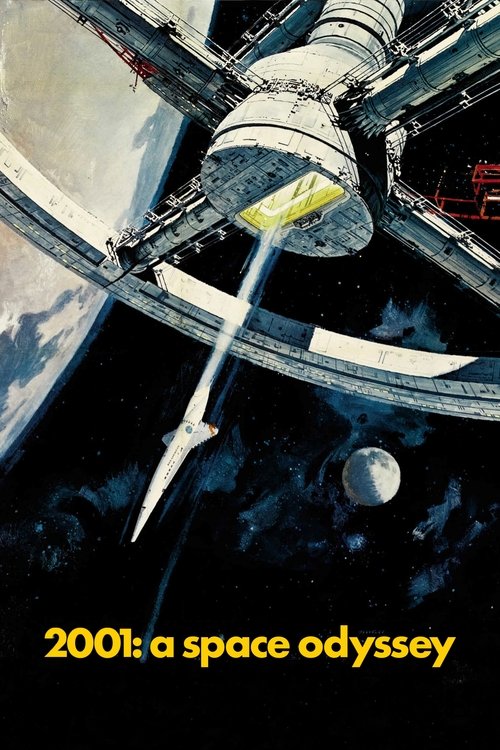
Classic science fiction doesn't get much more iconic (or frequently parodied) than 2001: A Space Odyssey. It's a film about evolution, humanity's relationship with technology, and space travel, among other things. It travels through time, too, looking first to the past, then to what was considered the future back in 1968, and then well off into the distance in a surreal final act that may hint at humanity's possible distant future.

It's a film that tries to encompass almost everything, and does so while taking its time. It's amazing that it all comes together so well, but it is a film that's notorious for taking a few viewings to get one's head around (not that that's a bad thing). Its ambition, multiple iconic scenes, and special effects that still look phenomenal 50+ years on make it an undeniable classic of the sci-fi genre.

#4

Alien

(1979)
8.2 / 10 IMDb

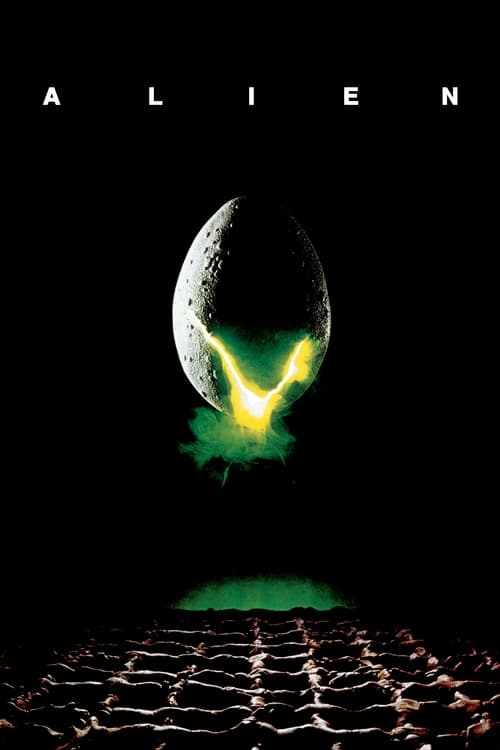
Taking a page out of Jaws' book, 1979's Alien has a wonderfully simple title that tells you all you need to know with one word. It follows the crew of a spaceship and what happens when they encounter a deadly alien lifeform that picks all the crew members off one by one.

It's as much a horror movie as it is a sci-fi movie, and excels when judged as part of either genre. Its sense of tension and dread is what makes it remarkably effective as a slow-burn sci-fi/horror movie, and it's not hard to see why this classic film ended up starting one of the most recognizable science-fiction franchises of all time. It's also a key film within the body of work of its director, Ridley Scott, and additionally holds value for being a star-making turn for its lead actress, Sigourney Weaver.

#5
8.4 / 10 IMDb

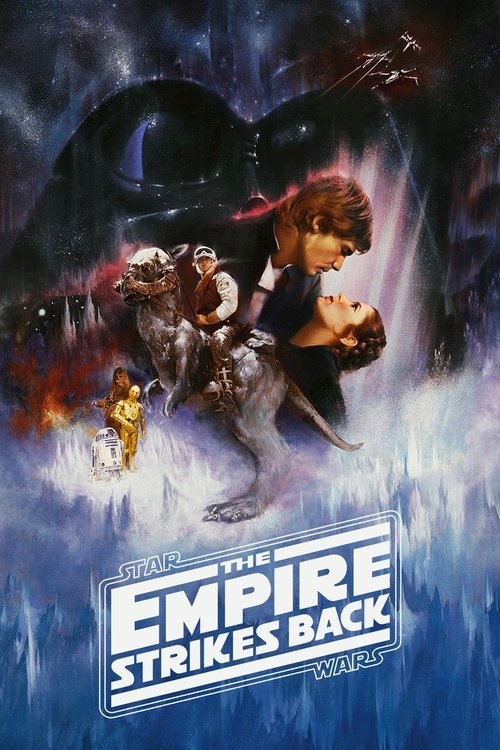
Like with Terminator 2, the Star Wars series is one where the first sequel to the original is arguably the best. Here, it's The Empire Strikes Back, which perfectly builds on the first movie from 1977, and increases the scope of the story while also exploring all the main characters in greater depth than what was seen in the first Star Wars.
Since The Empire Strikes Back, the Star Wars fanbase has generally been more divided about most movies and shows, but at least there's a consensus surrounding the first two Star Wars movies being classics. Some may prefer the original to The Empire Strikes Back, but the latter hits harder emotionally and perfectly utilizes a sequel's inherent capacity to hit the ground running, delivering a non-stop ride of big emotions, great character development, and amazing action.

#6
8.1 / 10 IMDb

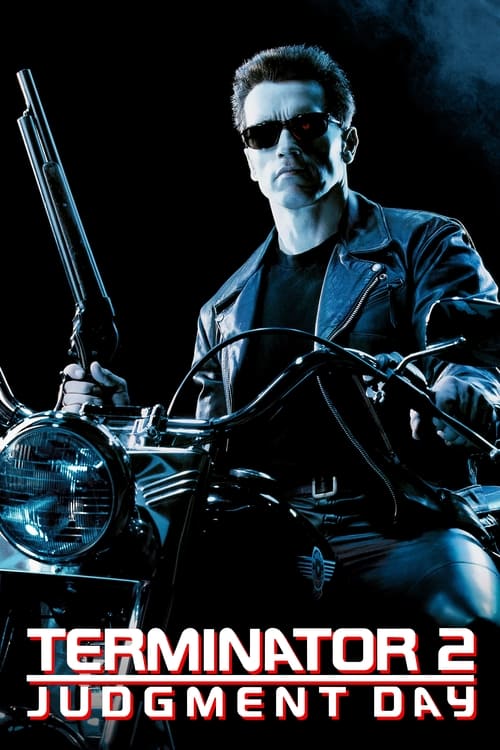
While 1984's The Terminator is a classic in its own right, its 1991 sequel, Terminator 2: Judgment Day, is even better. It bumps up the action and suspense, and uses its bigger budget to move away from the horror genre (which the first film explored) and mount even bigger, more explosive set pieces. It was a new high for James Cameron, as far as action and scale went, and in the decades that followed, his movies only became bigger and more epic in nature.

While action's fun, of course, Terminator 2 also endures as a classic because the less explosive and more character-focused moments are fantastic, too. At its core, it's a heartfelt story about a young boy befriending a robot, and the things they learn from each other... but that it does this while also delivering plenty of amazing action also helps immensely.

#7
7.4 / 10 IMDb

By 1977, Steven Spielberg had made thrillers, crime films, and a horror/adventure movie with Jaws, but Close Encounters of the Third Kind marked the first time he made a sci-fi movie. Since then, it's been a genre he's explored many times, and even into the 21st century, with films like Minority Report (2002) and Ready Player One (2018).

Close Encounters of the Third Kind is a little more subdued than most of his other sci-fi movies, though, and is just as much a family drama as it is a sci-fi movie. It follows a father who becomes obsessed with the idea of a UFO after witnessing one, and the consequences that come from his subsequent journey. It's a slow-burn sci-fi film that proves rewarding, and easily ranks among Spielberg's best (and perhaps most underrated).

#8
8.2 / 10 IMDb

The Matrix asks a compelling question through its central premise: what if life's a simulation, and the majority of the population didn't know? This is something that the main characters are aware of and fight against, given their mission to free the human population from its enslavement to machines, who've trapped the human race in a simulation known as the Matrix.

Since its release, it's gone on to be a hugely influential movie, and it's likely that many action and sci-fi movies would look and feel quite different today if it weren't for The Matrix. It's so iconic and ingrained in pop culture that praising it ultimately feels superfluous, but yes – people shouldn't take it for granted and forget that it's one of the best in the sci-fi genre. Without a doubt, it's no stretch to call it one of the greatest movies of the entire 1990s.

#9
8.0 / 10 IMDb

Blockbusters don't get much better than the original Jurassic Park. Though some of its sequels are fun and perhaps a little over-hated, none come close to the original, which still stands 30 years later as the undisputed king of the dinosaur sub-genre within the broader science-fiction genre.

Like Spielberg's E.T. from nearly 10 years before, Jurassic Park's greatest strength is its simplicity: there's an island where dinosaurs have been brought back to life, things on the island go wrong, and the characters have to fight for their lives. It's the directness and purity of it all that makes it so great, and the fact most of the effects still look very good helps, too, all adding up to make Jurassic Park feel consistently thrilling, imaginative, and very easy to get engrossed in.

#10

Brazil

(1985)
7.7 / 10 IMDb

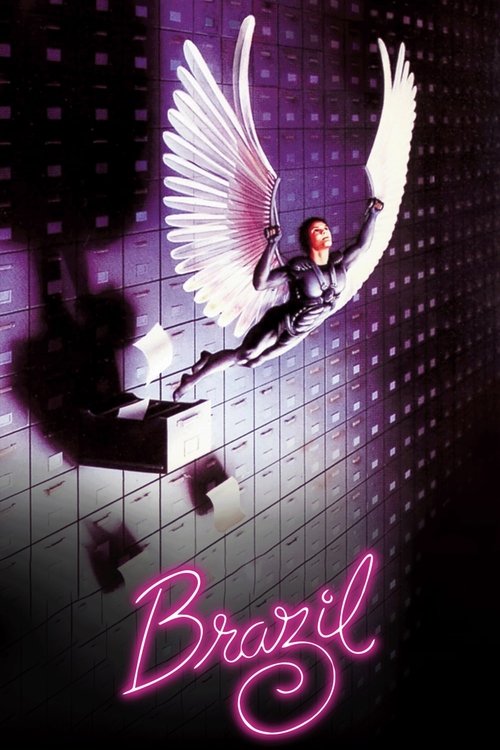
Following one of the most unlucky movie characters of all time, Brazil is a surreal dark comedy/dystopian sci-fi movie about a bureaucrat named Sam Lowry. He's roped into a bizarre conspiracy and series of events that he never manages to fully understand, and viewers who sit through this relentless 143-minute movie might come out the other end just as confused as Sam.

Still, that feels intentional, given the movie's wholehearted embrace of the absurd, and those willing to go through something mind-bending and sometimes even unpleasant will find a good deal to appreciate. Brazil is a unique trip that's equal parts stressful and funny, and while Terry Gilliam has been behind plenty of compelling movies throughout his directorial career, there's a good argument to be made that Brazil is his most compelling.

#11
7.5 / 10 IMDb

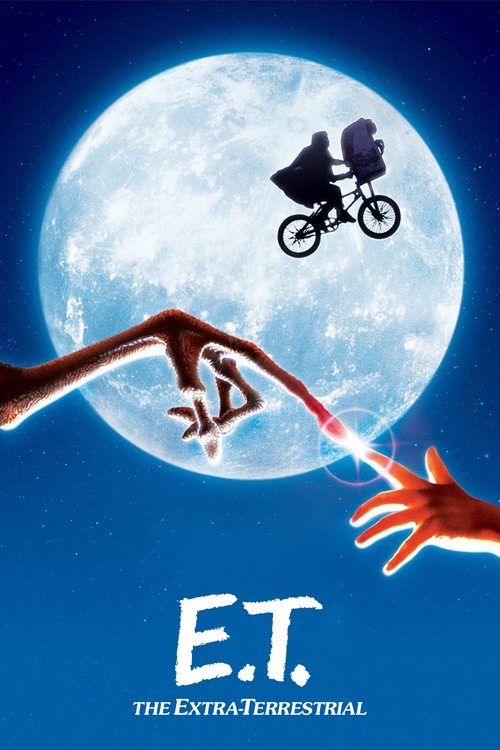
E.T. the Extra-Terrestrial wasn't Steven Spielberg's first or last sci-fi movie, but it's definitely one of his best. It centers on an alien that gets stranded on Earth before befriending a young boy, with the two working together to get the alien reunited with its parents.
It's one of those sci-fi movies that's so simple yet so satisfying, and it represents Spielberg's sentimental and emotional side in the best way possible. The design of E.T. seems to be a dealbreaker for some (he's really unnerving to some viewers), but if you can get beyond that, E.T. the Extra-Terrestrial is charming, entertaining, and moving all at once. Though calling something perfect can often seem like a bold claim, there really is a good argument to be made that E.T. the Extra-Terrestrial is essentially perfect.
#12

RoboCop

(1987)
7.4 / 10 IMDb

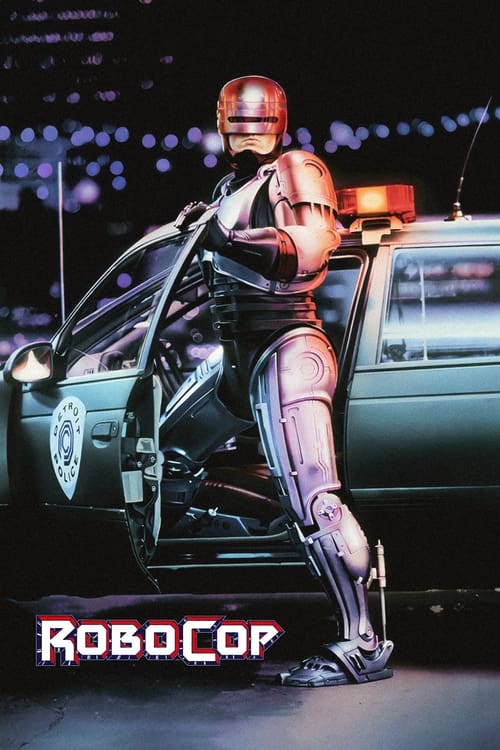
A darkly satirical and surprisingly funny crime/action/sci-fi movie, RoboCop works as both straightforward entertainment and an indictment of aggressive, violent police tactics, as well as also having a further satirical slant when it comes to making fun of consumerism and the shallowness of entertainment/culture at large. It follows an officer who's reborn as a cyborg after a grisly encounter with a criminal gang, and the way he patrols the streets in his new body as the titular RoboCop.
It feels like a product of the 1980s, but at the same time, effectively criticizes and satirizes attitudes that were at their most prevalent during that decade. Its sequels and remake pale in comparison, but the original holds up brilliantly, and it marks a high point in the eclectic and always interesting filmography of its director, Paul Verhoeven.

#13

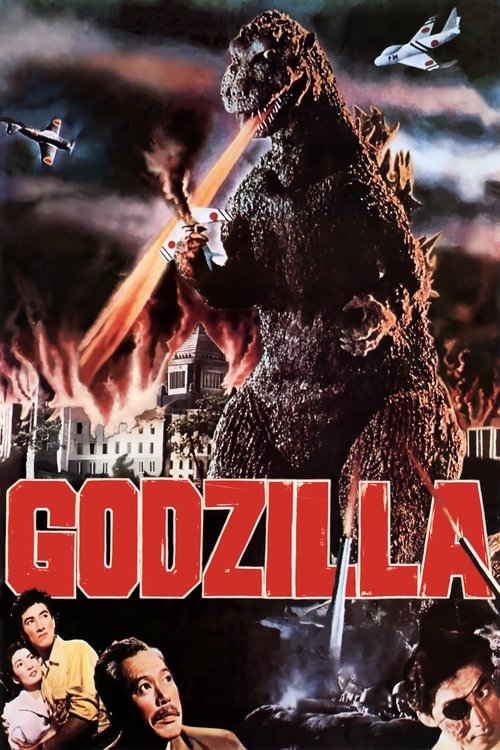
Godzilla

(1954)
7.6 / 10 IMDb

There have been plenty of wild Godzilla movies released since 1954, though funnily enough, the original is quite down-to-earth and serious-minded. It's a horror/sci-fi movie more than a light-hearted sci-fi/action movie, which is one way to categorize many – though not all – of its sequels. Of those sequels, some are perhaps more entertaining than this 1954 original, though you have to give respect to this one for starting it all, and for holding up as a genuinely dark and haunting film all these decades later.

Here, the titular monster is a stand-in for nuclear weapons and the immense damage they can do. It's an unexpectedly dark and somber beginning to a series that's usually a great deal of fun, but for being the first Godzilla movie – and for being an effective exploration of a serious topic - it excels and endures as a classic.

#14
8.1 / 10 IMDb

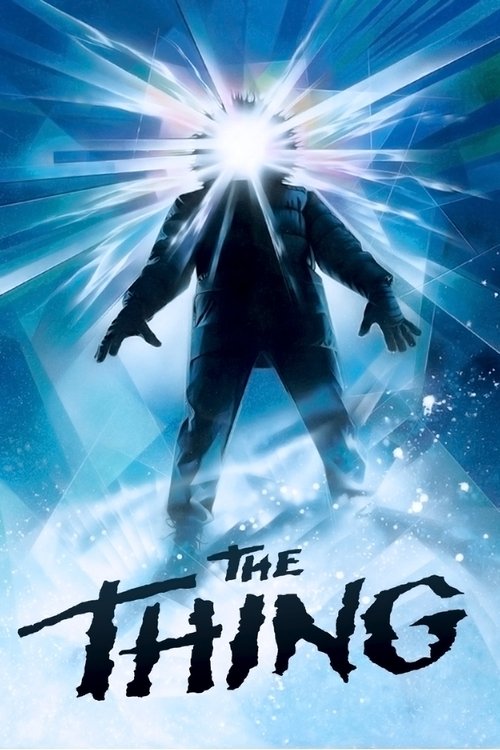
The Thing was so effective as a horror/sci-fi movie that upon release, people didn't exactly gravitate toward it. It may have been too gory and disgusting for critics and audiences at the time, but it's since gone on to become a beloved classic of both genres, and maybe even one of the best movies of the 1980s full-stop.

It follows a team of researchers in Antarctica who are targeted by an alien lifeform that can perfectly shapeshift into any living being it comes into contact with. This kicks off an intense wave of paranoia, as no one at the isolated base can trust anyone else. The Thing explores this simple premise perfectly, and retains its power to this day, more than 40 years on from release, and can easily count itself among the scariest science fiction movies of all time.

#15
7.6 / 10 IMDb

Of all the science-fiction futures seen throughout the genre's history, few seem quite as nightmarish as Children of Men's. It takes place in the late 2020s in a world where global infertility is such a huge problem that no new child has been born in 18 years, though that changes when a single young woman – a refugee in the U.K. – is discovered to be pregnant.

Various groups of people want access to this woman for various reasons, which kicks off a tense plot involving the main character needing to escort her to safety. Children of Men is an amazing-looking movie, it's got a very impressive cast of people including Michael Caine, Clive Owen, and Julianne Moore, also being filled with ambitious long takes, tense action scenes, and an overall emotional story that's very easy to get invested in.

#16
8.3 / 10 IMDb

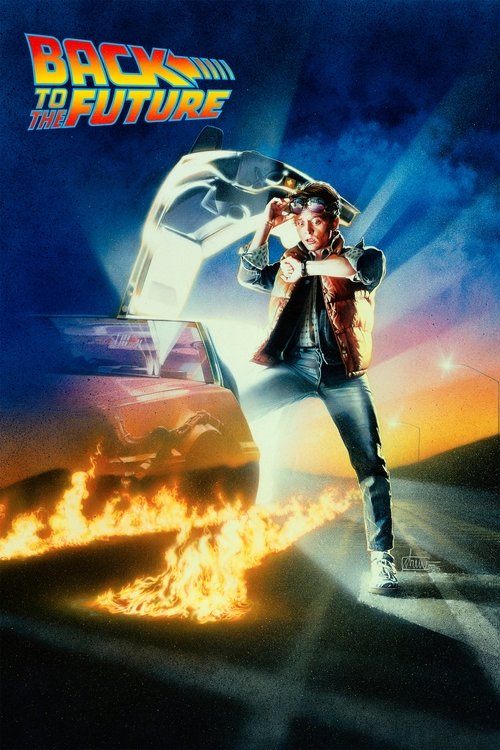
Few sci-fi movies are as popular, entertaining, and beloved as the first Back to the Future. The sequels are good in their own way, but the original is far and away the best, and has earned its reputation as one of the best time-travel movies of all time, and there's no doubt about it: Back to the Future is absolutely one of the best movies Robert Zemeckis has directed during his long career.

The plot follows a teenager accidentally traveling 30 years into the past, and there, he also meddles with past events in a way that stops his parents from falling for each other. This could lead to him not existing in the future, so he has to make them fall in love and then get back to his present – or "the future" – afterward. It's aged amazingly well, and remains a compelling 1980s classic that's probably impossible to dislike.

#17
8.2 / 10 IMDb

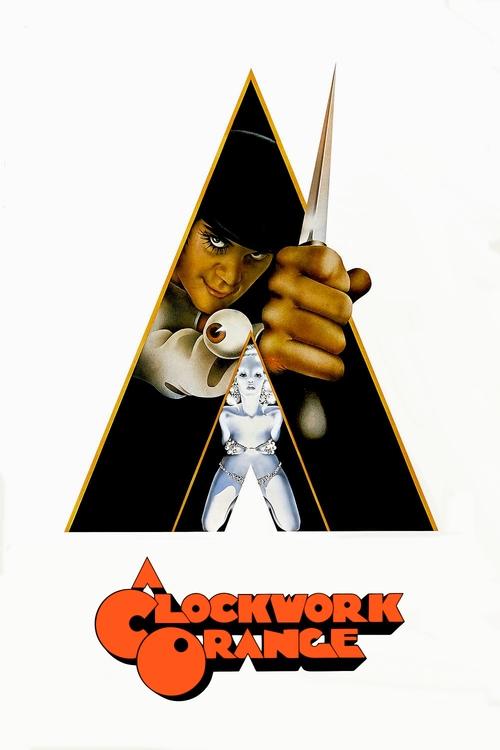
An uncomfortable and horrifying movie – despite not belonging to the horror genre – A Clockwork Orange is one of the darkest and most disturbing sci-fi movies of all time. It presents a dystopian future where crime is rampant, and those who are expected to deal with criminal violence resort to equally horrifying measures to combat the problem.

It raises difficult questions about free will, and whether taking it away from someone can be considered an act of violence, even if it's intended to prevent violence. It's a movie with no side that can be seen as "good," making it a bleak but thought-provoking watch, and one that combines the sci-fi and crime genres to thrilling and memorable effect. Additionally, A Clockwork Orange was surprisingly successful financially, despite the fact it's a difficult watch, and it still feels like groundbreaking science fiction when watched today.

#18
7.7 / 10 IMDb

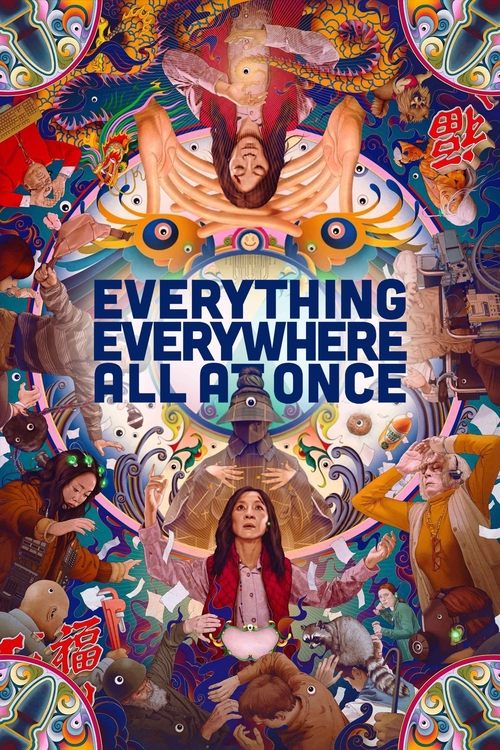
Making history for being the first sci-fi movie to win Best Picture at the Oscars, Everything Everywhere All at Once is an ambitious and thrilling movie. Of course, given its title that promises a maximalist experience, calling it "just" sci-fi wouldn't be accurate, but that's certainly one of the genres the film falls into (along with adventure, action, comedy, and drama, among others).

Everything Everywhere All at Once explores the idea of a multiverse better than any other sci-fi film or TV series so far, and involves a plot where one woman - and her alternate selves - may be the only one who can stop a mysterious being from ending all reality. It's fast-paced, fun, fresh, and exciting, and stands as the best sci-fi movie of the 2020s so far.

#19

WALL-E

(2008)
N/A / 10 IMDb

The sci-fi genre hadn't properly been explored by Pixar before WALL-E, and it's similarly interesting to notice how Disney didn't tackle it particularly often either (it's far more common to see an animated Disney film in the fantasy genre). WALL-E helped change things, though, showing that science-fiction should be explored more often in big-budget animated movies (at least since 2008, there have been others, like Big Hero 6 and Spider-Man: Into the Spider-Verse).

It shows a future that has been significantly harmed by out-of-control consumerism, and an Earth that's been deserted because of its inhospitality. It's not all doom and gloom, thankfully, seeing as the titular robot - one programmed to clean up garbage - may hold the key to restoring Earth to its former glory. It's funny, charming, and heartfelt, and explores plenty of interesting sci-fi concepts and themes in a family-friendly manner.

#20
7.4 / 10 IMDb

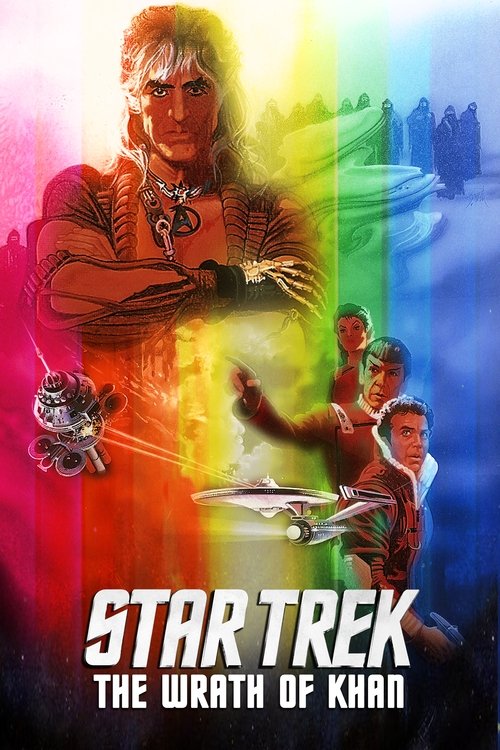
Star Trek was a TV series that originally aired in the late 1960s before several movies continued the adventures of the original crew, and then various other shows and movies set within the universe followed. The first of those was 1979's Star Trek: The Motion Picture, which got a considerably more action-packed and exciting sequel in 1982 with The Wrath of Khan. There's a claim to be made that The Wrath of Khan is one of the very best movie sequels of all time.

It brings back the titular Khan, who had appeared in the original series, only here, he's even more of a threat to the crew of the USS Enterprise. You don't even have to be a particularly big Star Trek fan to enjoy this classic movie, though it likely helps make the film's action sequences and emotional moments hit even harder.

#21
8.1 / 10 IMDb

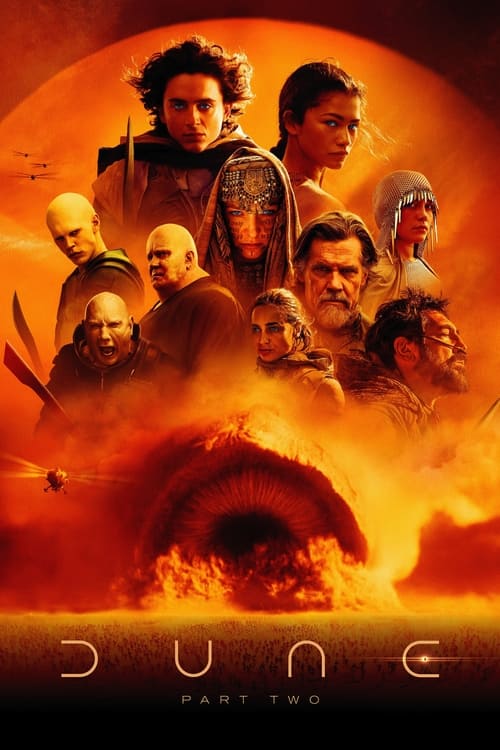
Speaking of Denis Villeneuve, he continued his dominance over the science fiction genre into the 2020s with what already feels like a near-perfect duology: Dune (2021) and Dune: Part Two (2024). The former sets the stage expertly, establishes key characters, and then features a dramatic event that changes the course of the whole story, and propels certain characters into more complex and dangerous situations come Part Two.

Dune: Part Two did need 2021’s Dune to hit as hard as it did, but it nevertheless feels like the more impressive achievement because it perfectly built upon what it had, and then exceeded the first film in terms of quality. It’s a science fiction epic that will likely endure as an example of how best to adapt a wide-scale and widely beloved piece of literature, and it has so much going on that it’s easy to imagine it (and the first movie) being continually rewatchable for years to come.

#22

Arrival

(2016)
7.6 / 10 IMDb

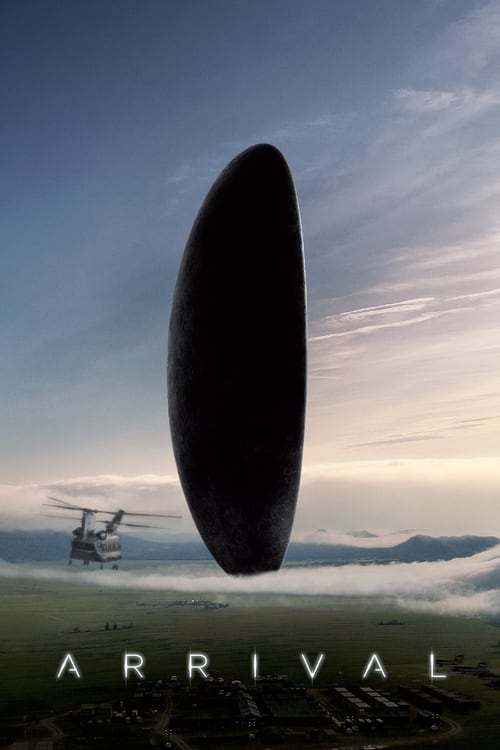
Denis Villeneuve wasn't always closely associated with the sci-fi genre, as before 2016, he mostly specialized in dramas, psychological thrillers, and crime movies. That's seemed to change since 2016's Arrival, as the next year he was behind Blade Runner 2049, and then directed 2021's Dune as well as 2024's Dune: Part Two. All of these have shown that as far as modern-day filmmakers go, few are making science fiction movies quite as well as Villeneuve.

Arrival centers on a mysterious alien craft that lands on Earth, with the U.S. Army employing a linguist to try and communicate with the beings, and find out why they've visited. It's another "aliens coming to Earth" movie that certainly isn't an action movie, instead using its sci-fi premise to comment on things like grief, belonging, and humanity's space within the universe.

#23
7.5 / 10 IMDb

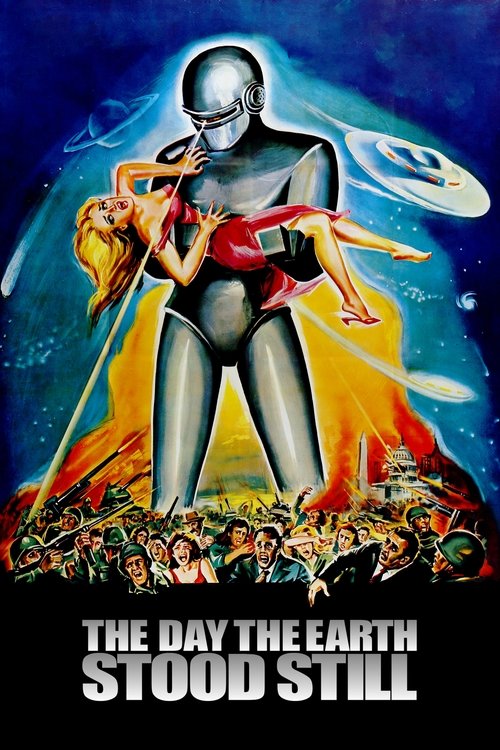
Unlike the case with Invasion of the Body Snatchers, The Day the Earth Stood Still is one classic 1950s sci-fi movie where the original trumps the remake. Viewers are better off going back further into the past - to 1951 instead of 2008 - for this sci-fi story, which follows an alien coming to Earth, accompanied only by a robot, claiming he has an important message for the human race.

It's interesting for its look at an alien visitation that's not a traditionally violent or invasive one, and for having themes that can be linked to the Cold War, and the general anxiety around nuclear weapons. Many sci-fi films from the 1950s and 1960s have this sort of subject matter, but few explore it as compellingly as The Day the Earth Stood Still.

#24

Solaris

(1972)
7.8 / 10 IMDb

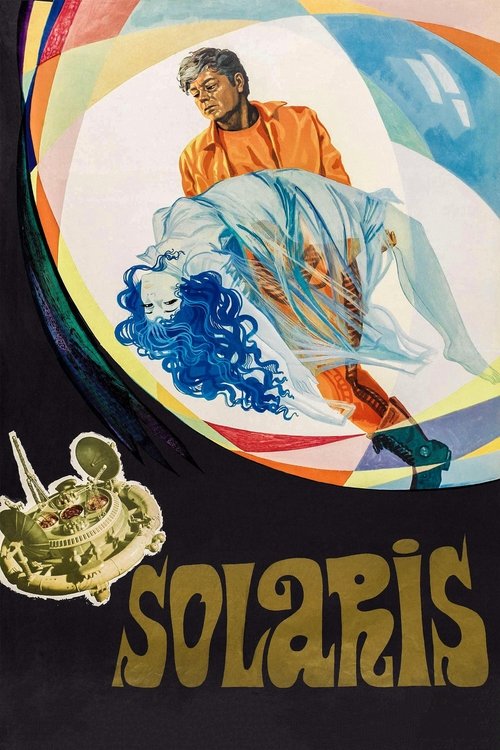
One of the best Russian language movies of all time - Solaris - also happened to be directed by one of the best Russian filmmakers of all time: Andrei Tarkovsky. It's a slow and dense sci-fi movie, largely taking place on a space station a psychologist is sent to, as all who live on there have fallen into an inexplicable state of emotional distress.

Tarkovsky's a filmmaker who was known for taking his time, so viewers should be prepared for Solaris to have a fairly methodical pace, to put it lightly. Pacing-wise, it makes the somewhat comparable 2001: A Space Odyssey feel like a John Wick movie, but patient sci-fi fans will likely be rewarded with the unique atmosphere and intense philosophical questions found in Solaris.

#25
7.2 / 10 IMDb

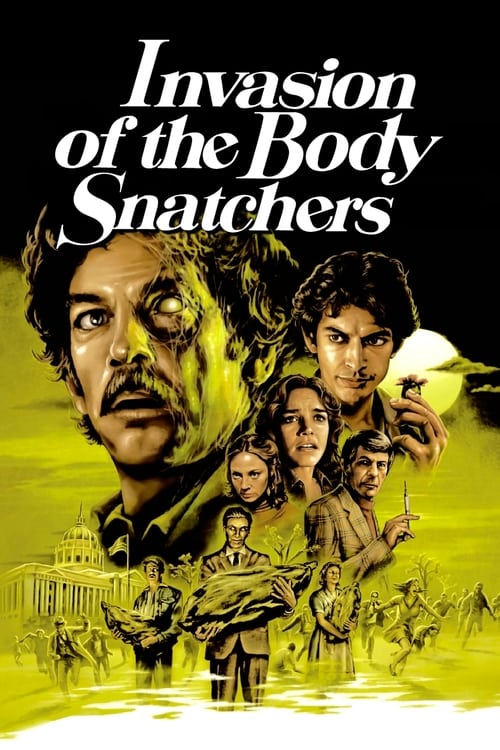
It's rare for an already good movie to get a remake that's equal in quality or even better, but 1978's Invasion of the Body Snatchers is one of those rare movies. It's longer and a little darker than the 1956 original, though both center on a unique alien invasion where the invaders replace human beings with duplicates that mirror individuals physically, but not emotionally.

It's also notable for having a very strong cast, with Donald Sutherland being top-billed, and icons of the sci-fi genre - including Star Trek's Leonard Nimoy and a very young Jeff Goldblum - included in the cast. It's absolutely worth watching the original, too, but this might be one case where the second go-around was slightly better.

#26
8.5 / 10 IMDb

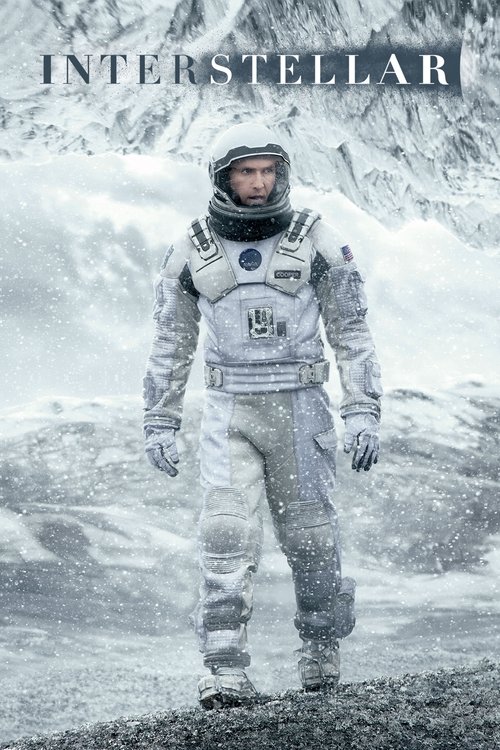
While Interstellar isn't Christopher Nolan's only great science-fiction movie, it might be his most pure sci-fi effort, given Inception's action-heavy nature and Tenet feeling like an espionage thriller with sci-fi elements. Interstellar's also one of his longest movies, making it a true sci-fi epic in every sense of the word.

It centers on a group of astronauts who explore space through a wormhole, as humanity is in danger on Earth and may need to find a new planet to live on. On the technical side of things, Interstellar is spectacular, with amazing visual effects and a phenomenal Hans Zimmer score. It's a long but rewarding film, and in contrast to some science-fiction, also contains a surprising amount of heartfelt - maybe even sentimental - emotion.

#27
7.3 / 10 IMDb

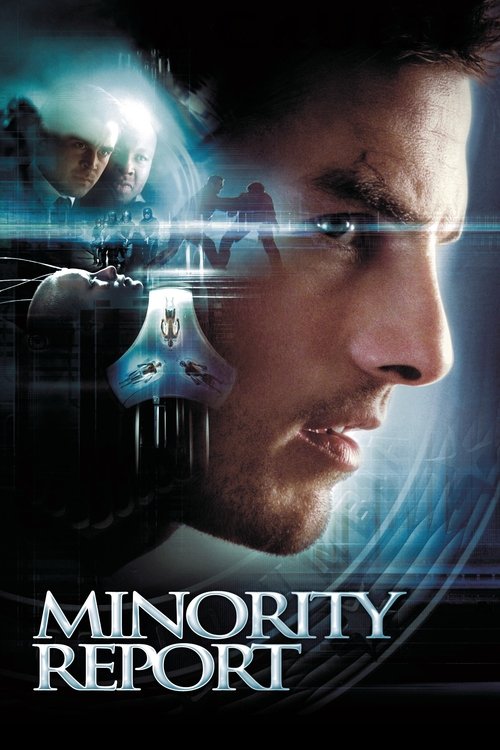
Minority Report is set in a future where surveillance has become so widespread and powerful that the crime/justice landscape has completely changed. Violent crimes can now be predicted before they even happen, leading to people being arrested and charged for crimes they didn't actually commit, but were ultimately going to commit, or so those in the business of "Precrime" say.

It's an uneasy and thought-provoking premise, and was explored in a way that ensured Minority Report ranked among the best movies of 2002. It's getting on in years, but what it has to say still feels relevant and unnerving, and time will ultimately tell how relevant it'll continue to feel, and how unsettling its premise will feel for viewers even further in the future. Undoubtedly, it's one of the very best sci-fi/thriller movies Steven Spielberg has ever directed.

#28
7.6 / 10 IMDb

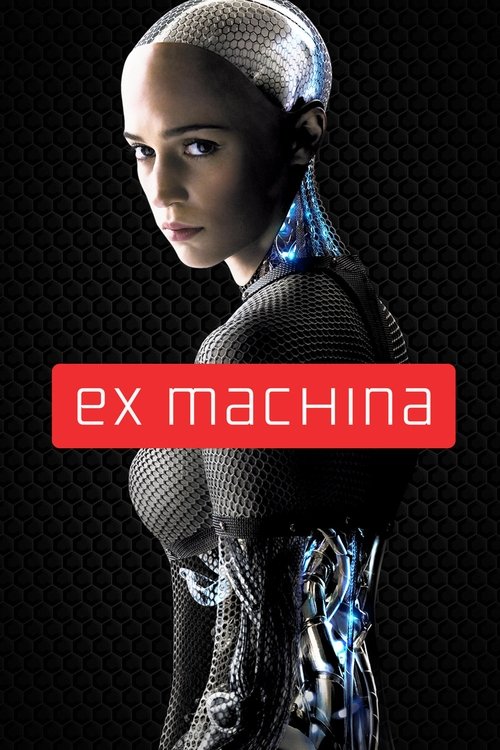
Before taking a turn into horror by directing movies like Annihilation and Men, Alex Garland had his directorial debut with the sci-fi film Ex Machina. It's a unique look at artificial intelligence, revolving around a series of experiments in a remote location with a new, unnervingly smart robot, the creator of said technology, and a young coder who's won a competition to visit said location.

It's an eerie and engaging look at familiar science-fiction tropes and ideas, presenting things that viewers might have seen before in ways that are confined, realistic, and eye-opening. It's small-scale, personal science-fiction done right, and though it's not particularly old, it feels like the kind of movie where it's safe to say it will age well, and continue to hold up in years to come.

#29

Moon

(2009)
7.6 / 10 IMDb

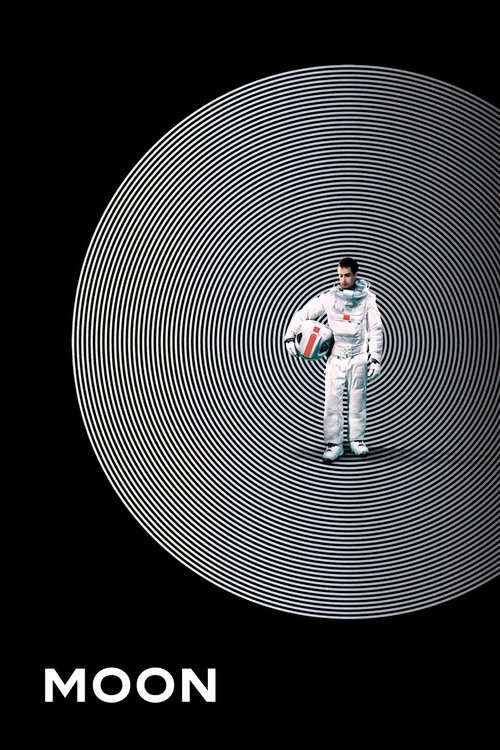
One of many great science-fiction movies released in 2009, Moon is about one man dealing with isolation while being the sole person at a manufacturing facility on the Moon. Things take a turn into the unexpected as he's about to return to Earth, though, throwing the film's events into an entirely new direction.

The less said about the rest of Moon, the better, but it's fair to say that it's certainly engaging and surprising in all the best ways. It's also a showcase for the talents of Sam Rockwell, given he maintains a compelling presence on-screen, even though he doesn't really have any other actual actors to appear alongside, and act with, and Moon undoubtedly solidifies Rockwell as one of the best and most underrated actors working today.

#30

Stalker

(1979)
8.1 / 10 IMDb

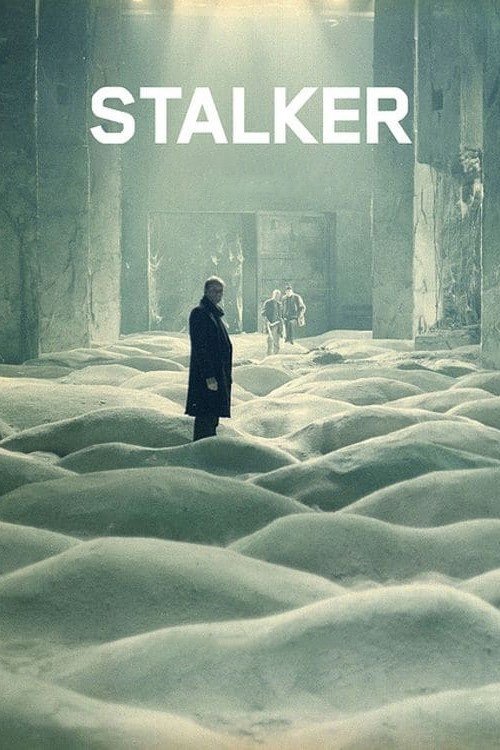
One of the most acclaimed films of 1979, Stalker is also among the best-known titles in Andrei Tarkovsky's filmography. It follows three men who are trying to find a mysterious location known only as the Zone, as it's rumored to grant great power to anyone who can locate it. Stalker feels less focused on the narrative necessarily, as its status as an arthouse science fiction movie means it's more concerned with exploring abstract themes and providing a unique (in this case, also eerie) mood.

It unfolds in a way that's very slow, but also surprisingly absorbing. It's an intensely psychological sort of science fiction, exploring the minds of its characters more so than putting them in a series of exciting set pieces or action scenes. It's the kind of approach to sci-fi that might not be for everyone, but it is undoubtedly interesting.

#31
7.5 / 10 IMDb

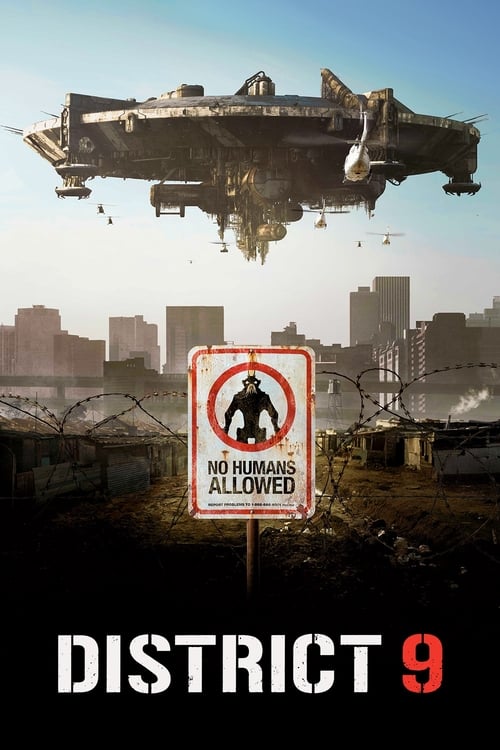
Though some are clamoring for a sequel that will probably never arrive (never say never, unless you can cowardly include a "probably" in there), District 9 still stands on its own as a great film regardless. It's part mockumentary, part action movie, and part body horror, detailing what happens to an alien ship that becomes stranded over the city of Johannesburg.

It's also packed with social commentary regarding race and how refugees are mistreated in real life, considering in this movie, it's the aliens who find themselves in the middle of a large-scale refugee crisis. It's thought-provoking, unique, exciting, and one of the best science-fiction movies of the 21st century so far, as well as one movie that demonstrated how 2009 was an unusually good year for the sci-fi genre as a whole.

#32
7.6 / 10 IMDb

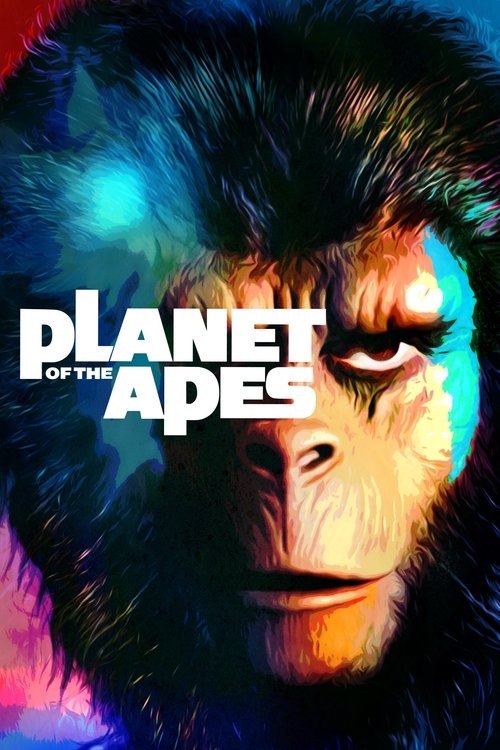
For as good as the reboot/prequel trilogy released throughout the 2010s was, it's hard to top the original Planet of the Apes film from 1968, at least when judging each movie in the series on its own merits. It's an eerie and oftentimes mysterious film, building to a fantastic conclusion that might still surprise those lucky enough to avoid knowing about it without having seen the movie.

It flips things around by having human beings be the subservient species, and forced to contend with an advanced race of apes who do indeed rule the planet they're on. It's not nearly as cheesy as you'd think (the sequels don't fare quite so well), and holds up as a compelling and entertaining sci-fi/action movie with some interesting things to say about humanity and its possible future.

#33

Avatar

(2009)
7.6 / 10 IMDb

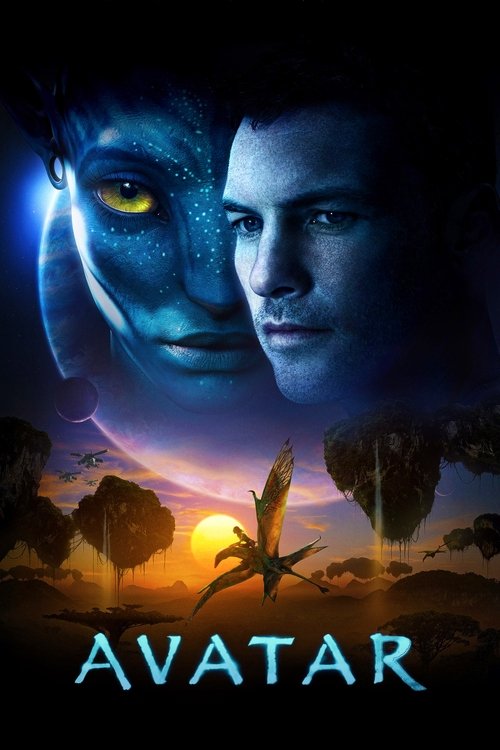
James Cameron might've referred to himself as the king of the world after his 1997 film Titanic swept the Oscars, but it's perhaps more accurate to call him the king of the sci-fi genre. He's made some of the biggest and most popular works of science fiction in cinematic history, with none being as successful (at least financially) as his 2009 film Avatar. Indeed, Avatar joins Titanic and its own sequel, Avatar: The Way of Water, as a movie that can claim to be the highest-grossing of its decade of release.

It recycles familiar tropes and story beats, but does so in a fantastical world and with breathtaking visual effects. Typical of Cameron, Avatar is also successful in blending genres to ensure it has mass appeal, with this movie being a sci-fi film, an action/adventure movie, and a romance all at once.

#34
5.9 / 10 IMDb

Those who prefer their sci-fi conventional may want to steer clear of Under the Skin, or approach it very cautiously, given it's another strange, haunting, and unapologetic film directed by Jonathan Glazer. It's essentially an arthouse take on a story about an alien coming to Earth, perhaps being for the 2010s what the equally bizarre and captivating The Man Who Fell to Earth was for the 1970s.

Scarlett Johansson plays the alien at the center of Under the Skin, and much of the movie is about this life form - after taking on a human appearance - stalking and capturing various men who become prey. It offers little by way of easy answers, and much of the film is up to the interpretation of the individual viewer, for better or worse (probably more better, so long as you know roughly what you're in for).

#35
8.4 / 10 IMDb

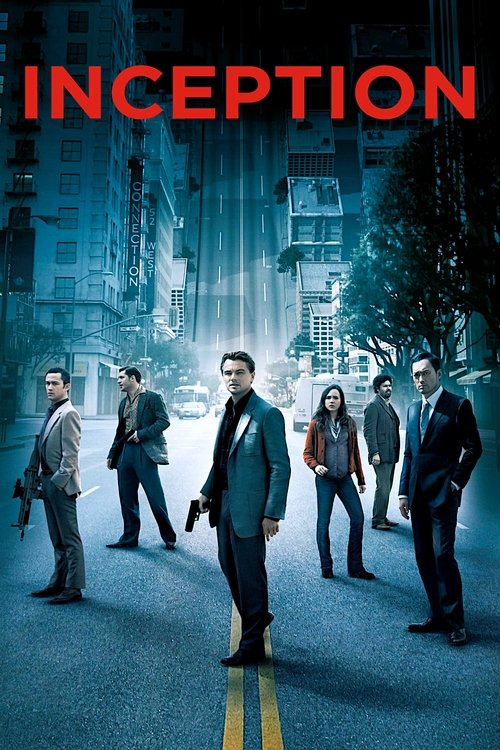
Inception certainly was a cinematic highlight of 2010, and it had some pretty tough competition that year, too. It's Christopher Nolan blending his affinity for action and science fiction in one, and making this blend go down smoothly with an engaging premise that's about performing a reverse heist within a target's subconscious, making it function well as an action/thriller movie as well as a piece of science fiction.

It's a movie that throws tons of fairly complex ideas at the viewer in rapid succession, and so if there's one criticism that can be thrown Inception's way, it's that it's a little heavy on the exposition at times. But the action-packed scenes serve well as payoffs, and the narrative does find interesting and sometimes unexpected places to go beyond the explanatory dialogue-heavy opening act.

#36
7.3 / 10 IMDb

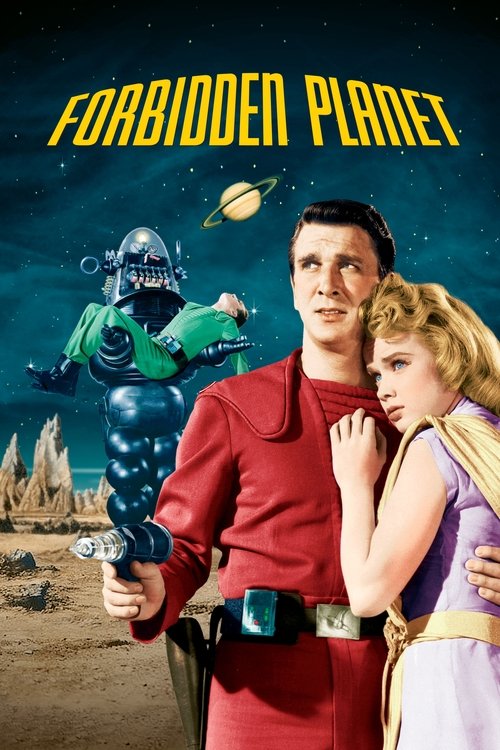
Of all the science fiction movies made during the 1950s, Forbidden Planet is undeniably up there with the most iconic. It follows a crew of space travelers who go in search of another exploration party that's been missing for years, only to make some unusual and startling discoveries during their attempted rescue/recovery mission.

It has an undeniably distinct aesthetic that's inextricably tied to the look and feel of classic '50s sci-fi. It's also notable for having what's perhaps Leslie Nielsen's best-known non-comedic role, given his career was rejuvenated in the 1980s thanks to starring in a range of iconic parody/spoof movies. Some may find Forbidden Planet to be a little old-fashioned and maybe even slightly cheesy by today's standards, but it's the aesthetics on offer here that might also prove charming to others.

#37
7.7 / 10 IMDb

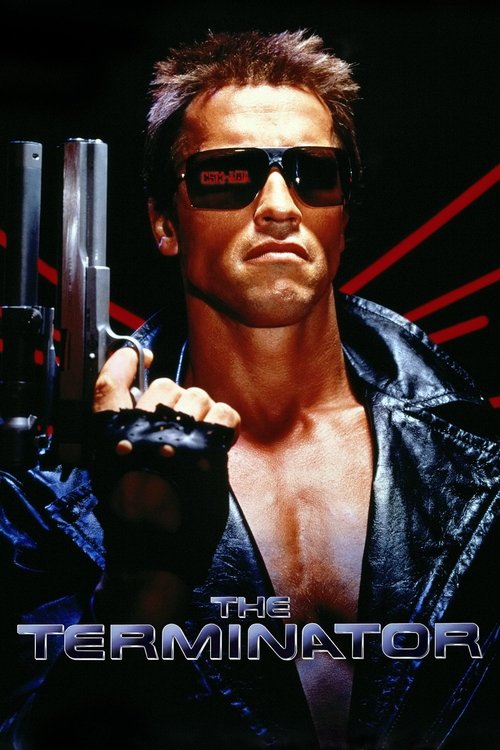
A standout film from 1984 (which is saying something, given that year had a ton of classics), The Terminator established James Cameron as a filmmaker who could do interesting and even groundbreaking things with the sci-fi genre. It’s quite brilliant, in many ways, how Cameron worked with certain limitations and turned them into strengths, having a story be about the prevention of a future war, rather than trying to show elaborate sequences of futuristic warfare on a budget.

Similarly, Arnold Schwarzenegger had limited range as an actor back in the 1980s, but when he’s cast as a physically imposing cyborg devoid of emotion, he’s perfect, and makes one hell of an impression. The Terminator is also a surprisingly great love story, and continually keeps the tension high throughout, featuring a little action and a decent amount of horror, too. It’s great stuff, and yet still Cameron would go on to improve upon it in the future, with a certain sequel made seven years later.

#38
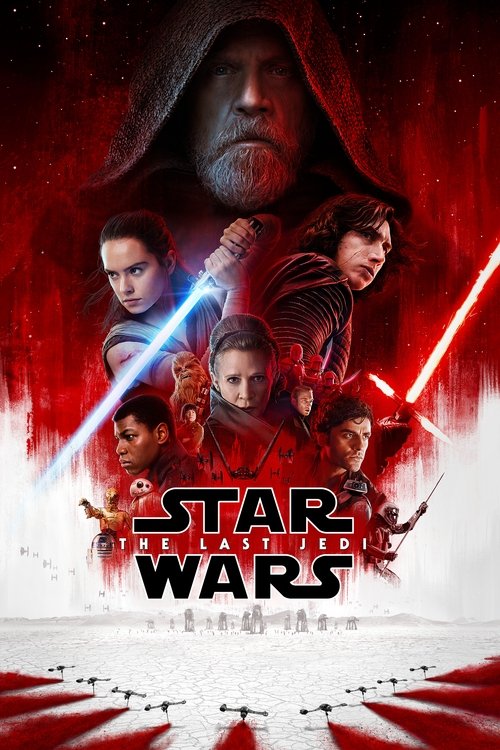
6.8 / 10 IMDb

There are certainly things to criticize when it comes to the most recent Star Wars movies, largely owing to the messily constructed and planned-out sequel trilogy. Yet buried within this flawed trio of films is a genuinely great sci-fi movie that itself is divisive: Star Wars: The Last Jedi. This eighth entry in the Skywalker Saga has passionate fans and vocal detractors, but that seemed inevitable, given it was directed by the guy who was behind what some people call the worst Breaking Bad episode (“Fly”) and what many call the best Breaking Bad episode (“Ozymandias”).

Star Wars: The Last Jedi brings Luke Skywalker back into the fold, taking his character in interesting directions while ultimately having him live up to his legacy by the film’s end. Other aspects of the film seem odd or disappointing at first, but all of it comes together in an interesting way by the end. It reckons with the history of Star Wars, celebrates it, and critiques it all at once, and does so while also being tremendously moving, emotionally speaking, and spectacular, from a visual standpoint.

#39
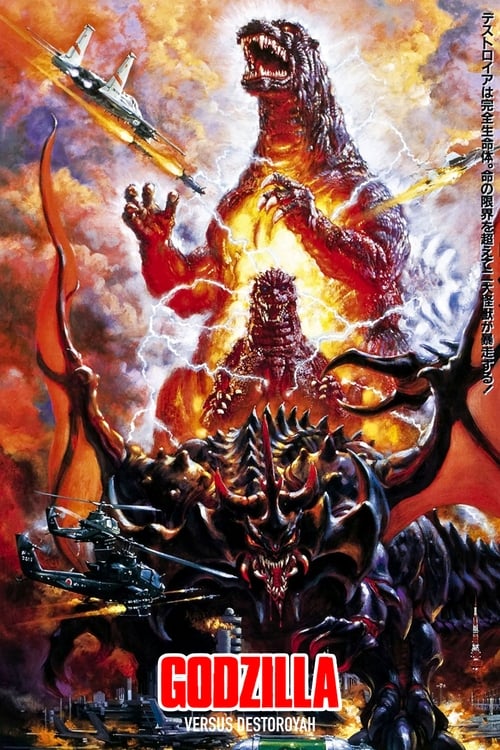
7.8 / 10 IMDb

Throughout the remarkably long history of the Godzilla series, the titular monster has fought many other powerful and intimidating titans. For as mighty as foes like King Kong and King Ghidorah have been, there’s an argument to be made that his most powerful enemy wasn’t even a “King,” and that it was actually Destoroyah, a monster who’s only been featured in one Godzilla film to date: 1995’s Godzilla vs. Destoroyah.

Notable for being one of the most intense, frightening, and moving films in the entire series, Godzilla vs. Destoroyah serves as a grand finale for Godzilla’s Heisei era, which comprised seven movies released between 1984 and 1995 that told a surprisingly continuity-heavy narrative spanning just over a decade. It might not be as powerful outside the context of the series/era, but it’s nevertheless one of the finest of all Godzilla films, and stands as a great work of science fiction as a result.

#40
6.3 / 10 IMDb

Perhaps feeling more like a quirky and heartfelt romantic comedy than a full-on science fiction movie, Electric Dreams does still center around an advanced computer that begins to fall for a young woman. The computer, in a sense, enters into a love triangle of sorts with the young man who purchased it, given the man also has feelings for the same woman, yet is too shy to approach her.

Electric Dreams then becomes like a sci-fi take on Cyrano de Bergerac, with the computer being Cyrano, helping a more conventional romantic partner while also having his own intense feelings of love toward a romance that can’t be. It might sound ridiculous, and Electric Dreams is kind of silly, but it’s also got a sincerity to it that makes it hard to resist. The cynical need not apply, but those open to the film’s odd charms might be it to be one of the more underrated sci-fi flicks of the ‘80s.

#41
7.3 / 10 IMDb

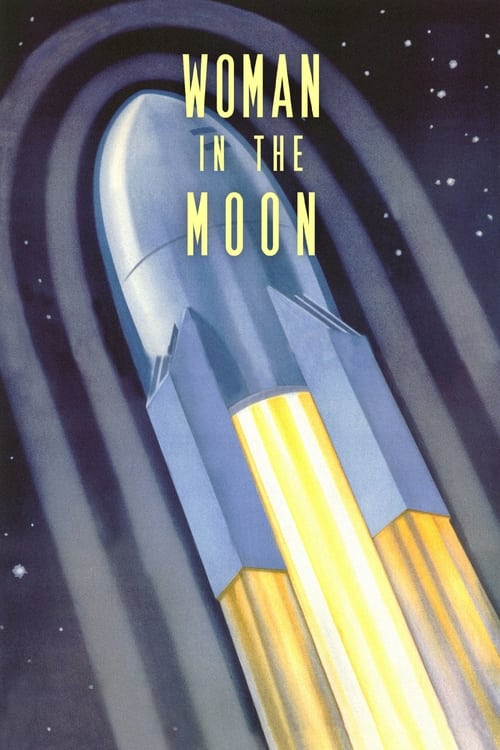
The most famous sci-fi movie directed by Fritz Lang came out before Woman in the Moon (more on it a little down the line), but this 1929 shouldn’t be overlooked just because it’s his second-best science fiction film. It’s a remarkable cinematic achievement, considering it’s close to a century old, and remains an engaging film about an expedition to the moon – led by a scientist – in search of gold.

Now, given its age and premise, there are aspects here that feel more fictional than ever in a post-moon landing world, but considering Woman in the Moon predated humanity actually reaching the moon by 40 years, the sci-fi movie's predictions were still impressive. It’s also got inventive special effects and a surprisingly well-told and dramatic story, making it one of the best – and most underrated – films of the silent era, sci-fi or otherwise.

#42
7.6 / 10 IMDb

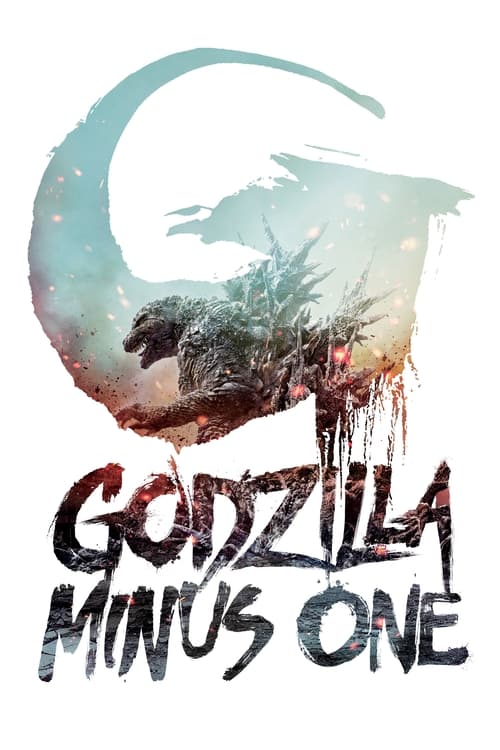
Speaking of relatively recent science fiction movies that already feel like modern classics, Godzilla Minus One was one of the biggest surprises of 2023, and one of the best Godzilla movies of the past couple of decades. It takes things back further in time than any other movie in the long-running series, taking place right after World War II, following people who are already struggling with surviving the war’s aftermath when the titular monster emerges and makes life even more difficult.

All the monster action in Godzilla Minus One is exciting and satisfying, but it’s the human characters – and their story – that give it the edge overall, and make it function as a genuinely good drama on top of being a kaiju movie. It’s very approachable and a perfect entry point into the series, particularly for anyone who’s more familiar with the American Godzilla movies and has yet to watch any from Japan.

#43
7.6 / 10 IMDb

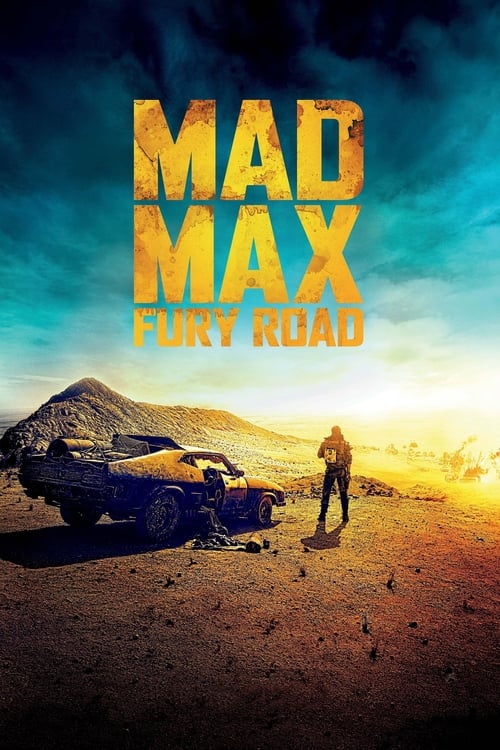
Blending some of the most amazing action of all time with a post-apocalyptic/science fiction setting, Mad Max: Fury Road is the rare universally praised blockbuster that unquestionably lives up to the hype. Narratively, it’s simple, following a group of women who make a daring escape from a tyrannical wasteland overlord, during which the titular Max gets involved (and perhaps ultimately overshadowed by Furiosa, who now has a 2024 prequel about her).

Though Mad Max: Fury Road keeps things basic from a narrative perspective, there is still engaging storytelling, world-building, and memorable characters to be found here, even among all the amazing chase sequences and explosions. It’s visually dazzling and extremely intense for almost its entire runtime, and quite possibly the very best film in the Mad Max series so far.

#44
7.7 / 10 IMDb

Poor Things was surprisingly successful for such an odd and offbeat movie, but those willing to get immersed in something a little different will likely find the film to be a rewarding one. It’s a surprisingly funny and always visually dazzling sci-fi movie about a woman who’s brought back to life, and then goes on a strange and sometimes alarming journey, rediscovering life and effectively coming of age for a second time.

Yorgos Lanthimos is perfectly suited to this kind of story and this sort of style, with the cast also shining while digging into the strange material they’ve been given, especially Emma Stone in the lead role, who won a second Oscar for her performance. Poor Things is a movie that’s a highlight of the 2020s so far, and feels like the sort of sci-fi movie that will one day be held up as a classic.

#45
6.8 / 10 IMDb

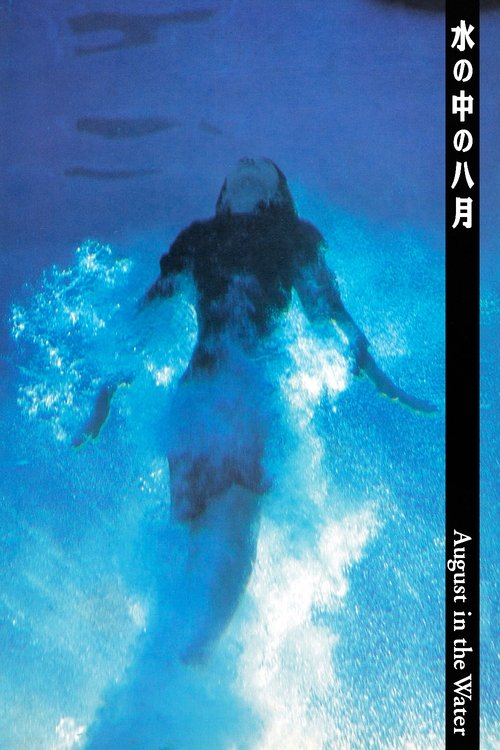
Blending some fantasy/supernatural elements with an odd yet compelling science fiction story, August in the Water is both a unique and underrated film. It focuses on several teenagers living in the Japanese city of Fukuoka, and explores what happens when one of them – a young girl – begins to develop mysterious powers, all the while strange occurrences continue to happen to the city’s population.

August in the Water isn’t exactly clear about the story it’s telling, nor is it particularly narrative-centered in the first place, but it is undeniably atmospheric and provides a distinct look/feel. It’s broad and open-ended enough to leave many things up to interpretation, and even those who get a bit lost in August in the Water will still be able to appreciate its visual style and singular tone.

Buy on Amazon

#46
4.7 / 10 IMDb

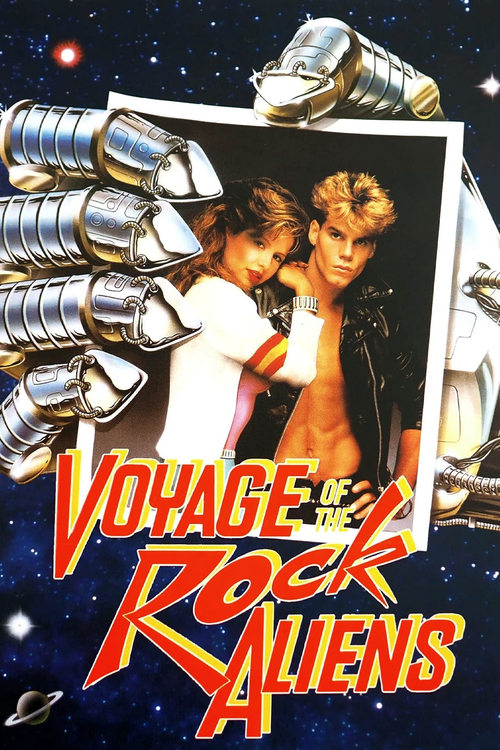
Calling Voyage of the Rock Aliens ridiculous would be underselling it to a considerable extent, but that’s obvious, given it’s literally called Voyage of the Rock Aliens. It functions as a surprisingly good (and wonderfully cheesy) musical, a comedy that feels like a throwback to teen movies of the 1950s and ‘60s, and a sci-fi movie about aliens coming to Earth and trying/failing to fit into life on the planet.

Voyage of the Rock Aliens is a cult movie through and through, and one of the most 1980s-feeling movies to come out of the decade. It’s sloppy, the music probably isn’t for everyone, and watching it is an undeniably chaotic experience, but there’s so much energy and vibrancy to the whole thing that it’s hard to resist, particularly for any sci-fi fans who have a particular fondness for science fiction of the B-movie variety.

#47
7.2 / 10 IMDb

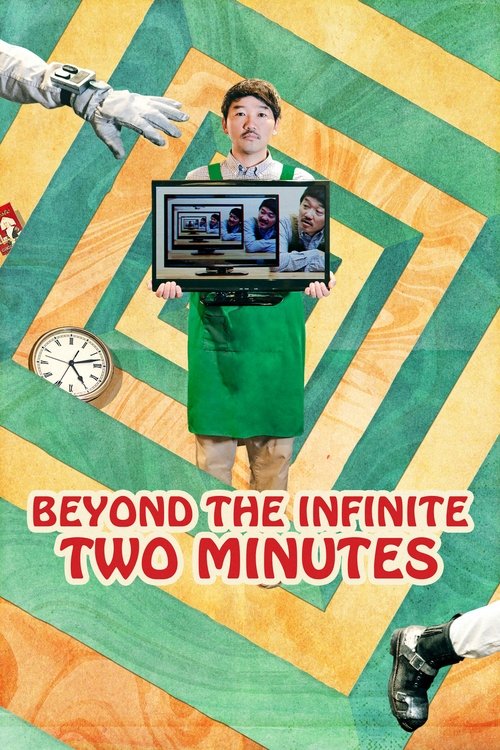
Beyond the Infinite Two Minutes is one of the best Japanese movies of the last few years, and also stands as one of the most entertaining and rewatchable sci-fi films in recent memory. It deals with an initially limited form of time travel that involves a screen that shows footage from two minutes in the future, which leads to wonder, fortunes, and eventual chaos for the people who discover this strange phenomenon.

Made on a limited budget and filmed in a way that makes it appear like a single take, Beyond the Infinite Two Minutes is quite dazzling for such a small-scale movie, and endlessly inventive/clever. It’s got an infectious spirit and is overall the kind of movie that will provide significant entertainment value for just about anyone who seeks it out.

#48
7.3 / 10 IMDb

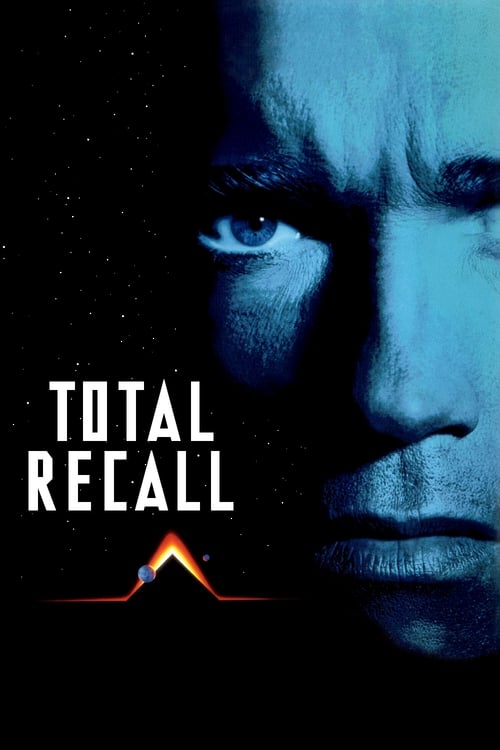
With a bold central performance by Arnold Schwarzenegger, typically wild direction from Paul Verhoeven, and plenty of memorably strange special effects, Total Recall is a classic piece of 1990s sci-fi. It’s got a decent amount of camp and intentional humor, but there’s also enough here that can be taken somewhat seriously; it rides a fine – and interesting – line between being thought-provoking and being a bit of a joke.

It's hard to totally recall the strange plot of Total Recall, but at its core, it’s about a man getting an implanted memory that begins to cross over with his reality, sending him on a wild and violent mission to get answers and make sense of the messiness going on around him. It’s a strange ride, but also an exceedingly entertaining one, with Verhoeven and Schwarzenegger both giving it 110%, which is always great to see.

#49

Contact

(1997)
7.4 / 10 IMDb

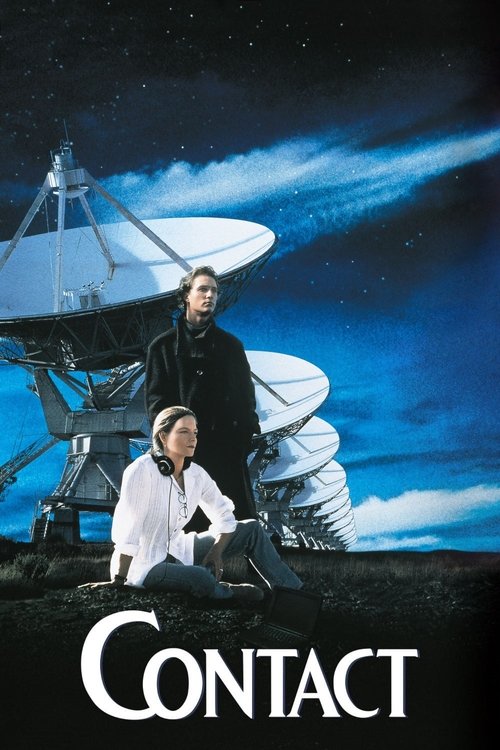
Robert Zemeckis has, in more recent times, been behind a somewhat divisive run of animated movies, but he also made some groundbreaking live-action movies that shouldn’t be overlooked. Admittedly, it can sometimes feel easy to overlook something like Contact, though, what with its fairly generic title, the fact it came out in a crowded year for movies, and because it’s something of a slow burn with a runtime that clocks in at 2.5 hours.

But Contact shouldn’t be overlooked, because it’s a uniquely quiet and character-focused piece of science fiction, containing some prominent mystery elements and taking its time to build up to a final act, whereupon some answers are finally given. It’s intriguing and very well-made from a technical perspective, and also features a typically great lead performance from Jodie Foster.

#50
7.3 / 10 IMDb

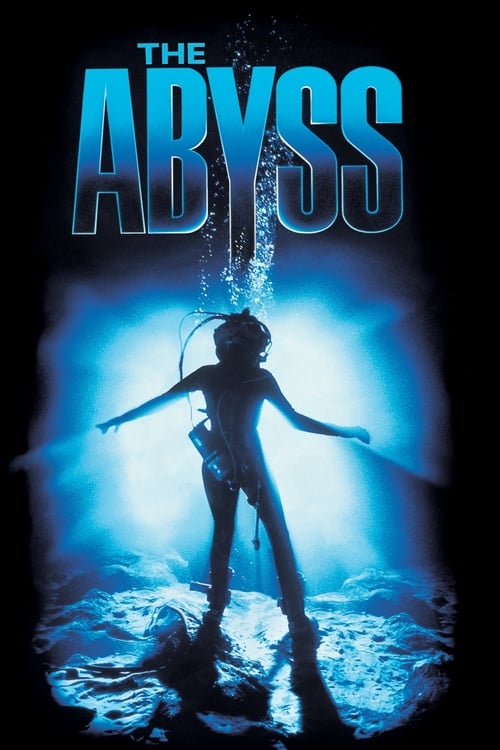
If you want to talk about great science fiction movies, bringing up the works of James Cameron is going to be as inevitable as Thanos; the guy just understands how to make films of this kind. In fact, it’s somewhat rare to find a James Cameron movie that doesn’t have science fiction elements (though he can still do those well, as films like True Lies and, of course, Titanic demonstrate).

The Abyss might not quite be one of his very best films overall, but it still has a ton to offer and feels distinct from his other sci-fi movies, owing to it not really being focused on action like many of his other sci-fi movies are. It follows a group of people undertaking a dangerous deep-sea mission regarding the recovery of a sunken nuclear submarine, only to find unexpected phenomena while down there. It’s a slow burn to some extent, but a successful one, and has some jaw-dropping effects by late 1980s standards.

#51

Paprika

(2006)
7.8 / 10 IMDb

While it’s comparable to The Iron Giant and Into the Spider-Verse in the sense that it’s also a great animated science fiction movie, Paprika stands apart from those in the sense that it’s not really family-friendly. It’s not quite as dark as one of Satoshi Kon’s other acclaimed films, Perfect Blue, but it does go to some confronting places with its exploration of the subconscious, much of it revolving around a machine that lets therapists view the dreams of their patients.

Reality and dreamscapes combine and collide, with Paprika proving deliberately difficult to wrap one’s head around at times. But there is so much being said here that even if one’s overwhelmed by most of it, other parts will inevitably make sense, or prove striking in some kind of way. It’s absolutely one of the greatest anime films ever made, looking consistently beautiful and proving to be a uniquely dizzying and thought-provoking watch.

#52

Threads

(1984)
N/A / 10 IMDb

Threads might be a made-for-TV movie, but it stands tall above the vast majority of them, and is pretty much on equal footing with any theatrically-released movie about a nuclear apocalypse. With a mortifying attention to detail and an uneasy sense of realism, Threads documents what would happen if a nuclear war broke out, with a particular emphasis on how anyone who survived the initial blasts would struggle to stay alive in a world gone to hell.

There’s some fun to be found in the nuclear wastelands of Mad Max and Fallout, but nothing that’s very fun in Threads. It’s a miserable, haunting, and strikingly effective condemnation of war, and while it’s not a sci-fi movie in an escapist or typically enjoyable way, it’s so powerful, simple, and unapologetically confronting that it deserves to be praised as an all-time great feel-bad classic.

#53
8.4 / 10 IMDb

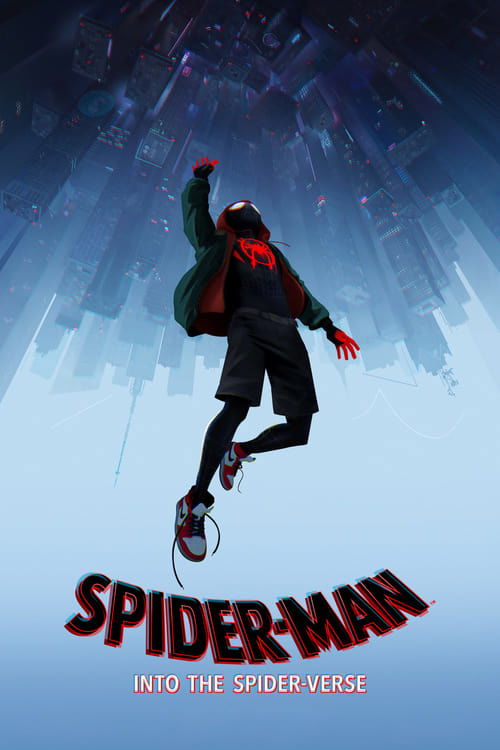
Arguably more than any other Spider-Man movie released before it, Spider-Man: Into the Spider-Verse pushes sci-fi elements to the forefront, in turn functioning as a great animated movie, a great superhero film, and a strong piece of science fiction, all at once. The Multiverse is a focus here, but so too is Into the Spider-Verse a compelling origin story for Miles Morales, having him come to terms with his powers while meeting various foes and potential allies.

It's a big movie, a flashy one, and also a strikingly intimate/personal one, with the core emotions shining through and proving just as satisfying as all the spectacle. Spider-Man: Into the Spider-Verse was one of the greatest movies of the whole 2010s, and stands to date as one of the very best movies that deals with the idea of universes colliding.

#54
8.1 / 10 IMDb

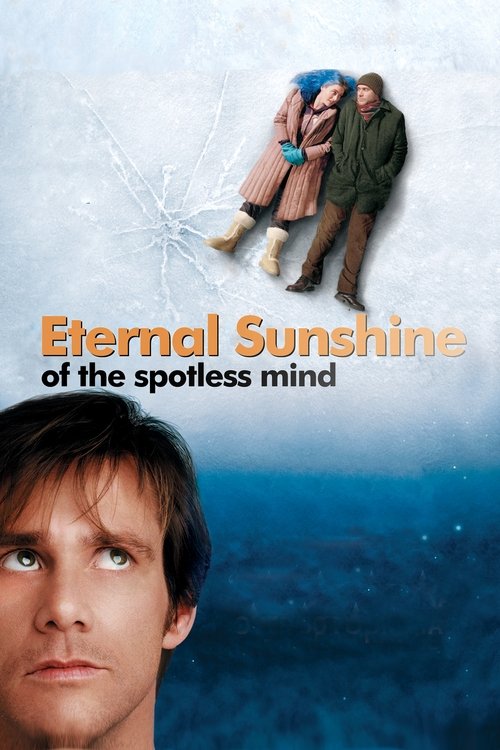
There’s an argument to be made that Eternal Sunshine of the Spotless Mind is more of a romantic drama than a full-on science fiction movie, but those sci-fi elements are still there and important for the character study the film ultimately is. At its core, this one is all about the painful process of moving on – or failing to move on – from a relationship, with its two main characters both using a service that wipes memories of their ex from their respective minds entirely.

However you want to classify it, Eternal Sunshine of the Spotless Mind is an overall excellent movie, proving to be clever, unpredictable, surreal, and heartbreaking, all in equal measure. It’s a novel idea for a film executed with creativity and two knockout lead performances, courtesy of Jim Carrey and Kate Winslet, both of them arguably being at their very best here.

#55
8.0 / 10 IMDb

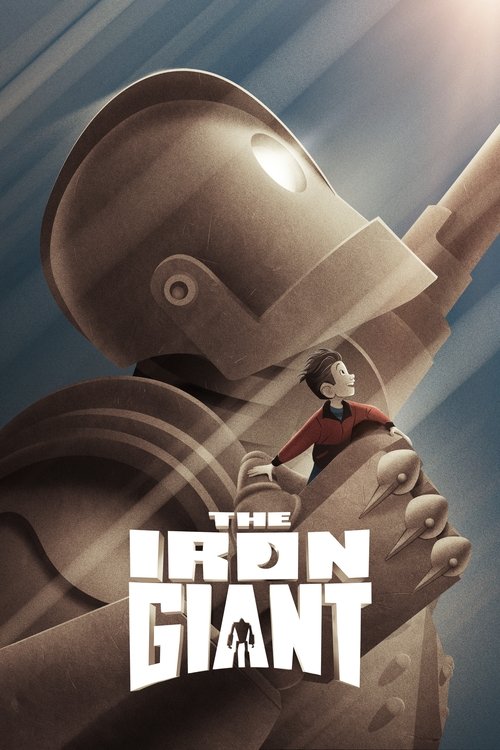
One of the best movies of 1999, The Iron Giant tells a familiar sort of story, but does so with style, heart, and beautifully simple animation. It’s about a giant robot who befriends a young boy, with the story going from humorous to somewhat more serious when others start fearing the titular iron giant, leading to persecution and misunderstandings.

Still, The Iron Giant never gets too heavy, owing to it being a family movie and all. But it’s one of those winning family movies that doesn’t feel like it’s catering just towards kids, at the expense of adults being able to enjoy it. Regardless of one’s age, it’s an enjoyable and easily approachable film, and one that likely led to its director, Brad Bird, going on to make some more great animated movies – this time at Pixar – during the 2000s.