20 Greatest Western Movie Masterpieces of All Time, Ranked
genre masterpieces

20 Greatest Western Movie Masterpieces of All Time, Ranked

By Streamix Editors March 1, 2026 20 items

When considering which Westerns ought to be considered masterpieces, there is a lot that goes into such a classification. Cinematic style and memorability are certainly factors, as are cultural impact and the notoriety of the leading star or filmmaker responsible. Westerns were at their peak in the mid-20th century, and though there has been a resurgence of sorts in recent years, nothing has quite managed to match that period in terms of solidifying the mythic nature of the genre.

Still, there are plenty of great Westerns out there that deserve high praise. When we considered the most masterful horse operas, for instance, we came up with a list that felt quite definitive. Of course, opinions on the matter certainly vary, and there's certainly room for debate as to which film should end up where (an opinion that may change depending on which picture you viewed most recently). But for a list of must-see Western masterpieces that deserve all the praise, look no further than these 20 feature films, which embody everything that made the genre so iconic in the first place.
#1
7.7 / 10 IMDb

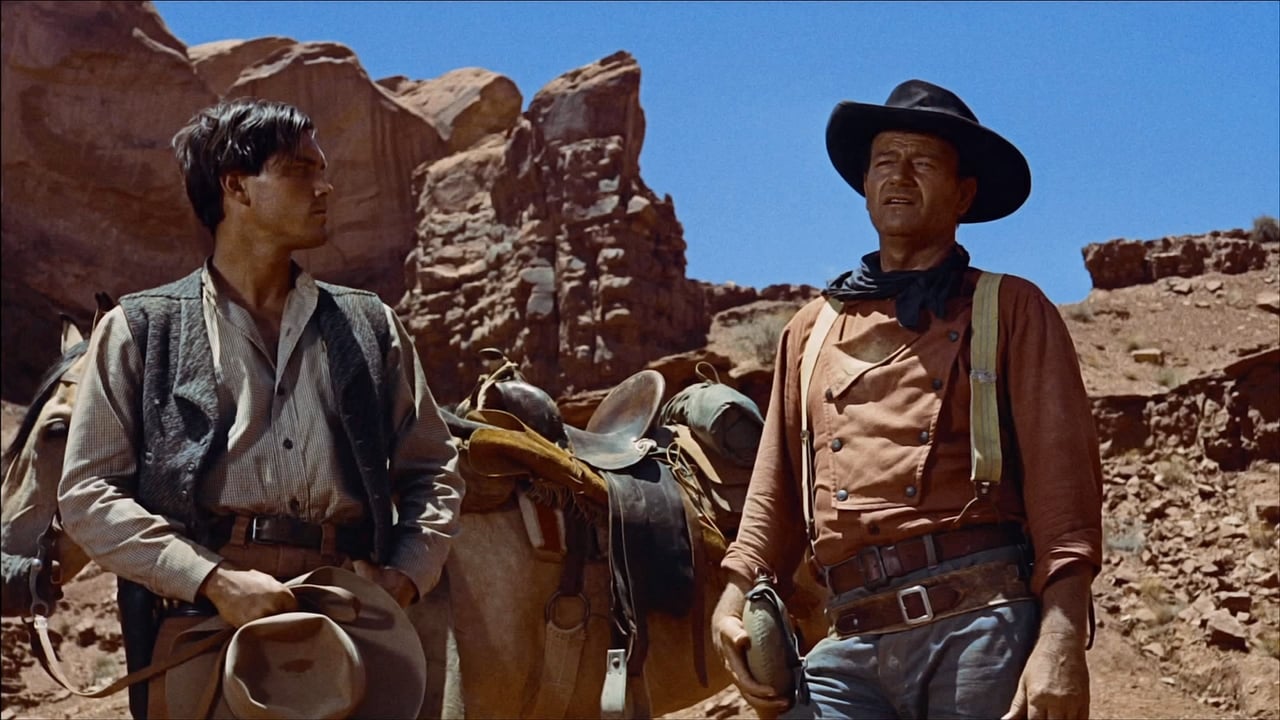
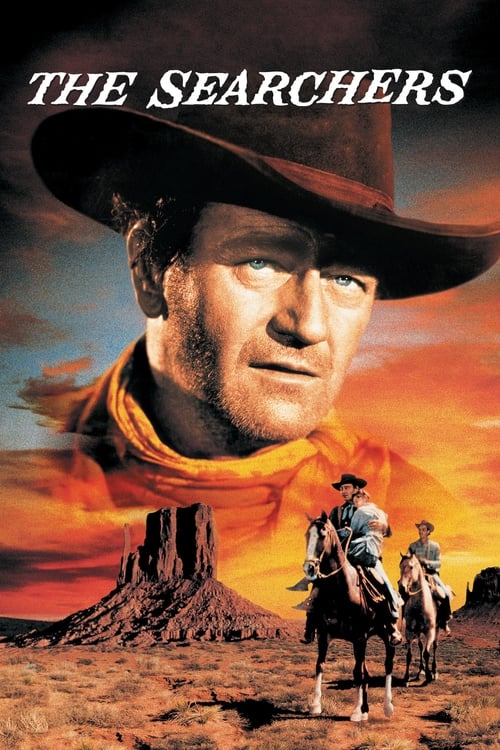
The greatest Western movie masterpiece of all time is, without a doubt, The Searchers. Director John Ford hit the cinematic bonanza with this hard-boiled epic that feels as romantic and powerful as any page-turning novel. It, of course, was based on the novel of the same name by Alan Le May, adapted to the screen by Frank S. Nugent, but it's Ford's unique vision (and John Wayne's heavy performance) that gives the material even more horsepower. We can understand why the Duke believed this to be his greatest motion picture.

Considered by some to be the best movie ever made, The Searchers follows Wayne's Ethan Edwards as he and Martin Pawley (Jeffrey Hunter) hit the trail to find the former's niece who had been taken by a band of Comanches. Spending years on the open plains and harsh deserts, the two nearly lose themselves (and all they care most about) on their crusade, only to overcome their own foolish pride. With some of the greatest cinematography (Monument Valley has never looked this good), character work, and themeatic content the genre has to offer, The Searchers is Wayne and Ford's cinematic triumph that wrestles intently with the themes that make the genre work best.

#2
8.5 / 10 IMDb

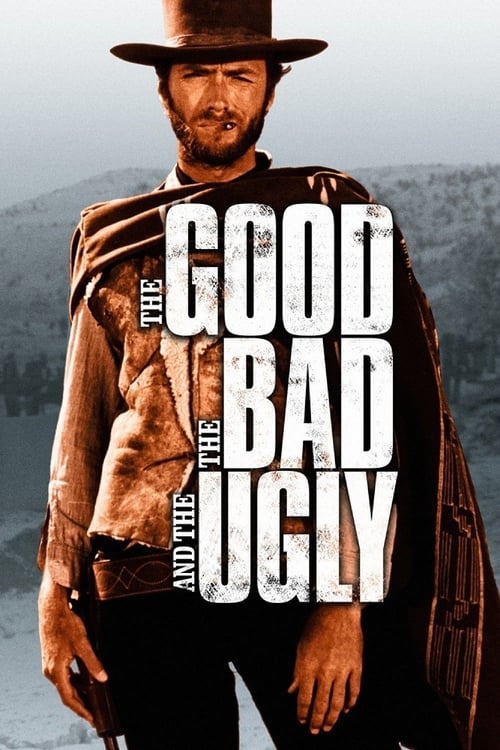
Whether you prefer The Good, the Bad and the Ugly to the other two installments in Sergio Leone's Dollars Trilogy, there's no denying that this film left a serious mark on the genre. A bloated picture that makes insanely efficient use of all that time, the film follows Clint Eastwood's "Man With No Name" (here "Blondie") as he is on the trail of notorious bandit Tuco Ramirez (Eli Wallach), only to team up with the titular "ugly" in search for long-lost Confederate gold. Of course, on their tail is none other than Lee Van Cleef's "Angel Eyes," a mercenary out for the same prize.

With masterful tension that builds into the greatest Mexican standoff in cinema history, The Good, the Bad and the Ugly is a grand love letter to the American West as understood by Italian filmmakers. Set during the American Civil War, the film takes place before the other two Eastwood-led installments, but it comes across thematically as an essential conclusion that could easily stand apart. It's like lightning in a bottle — or, perhaps a more on-brand analogy would be that it's like the magic between Eastwood's small smirk and quick draw.

#3
7.9 / 10 IMDb

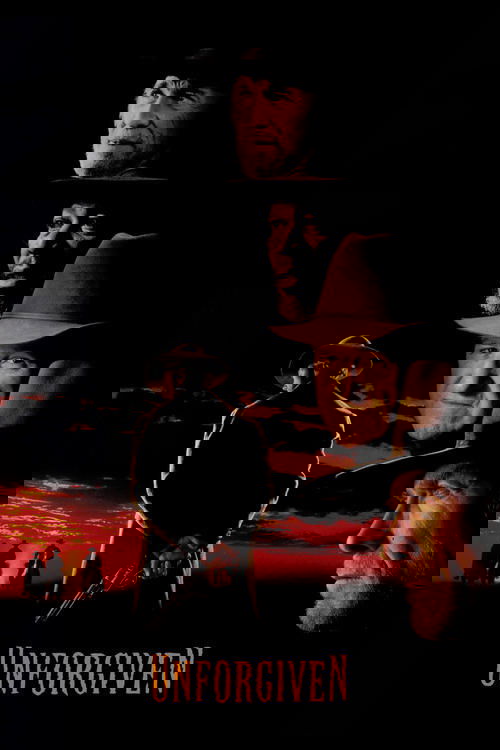
On the other end of the career spectrum is Unforgiven. The climactic finale to Clint Eastwood's three-decade love affair with the genre, this is the film that made him put down his guns and spurs for good. Serving as the film's director, producer, and leading man, Eastwood outdoes himself here with a riveting tale of an aged gunslinger. Although Will Munny (Eastwood) has successfully left the world of gunplay behind, he is pulled back one final time. A tale of blood, death, revenge, and violence, Unforgiven plays into it's name well.

Unforgiven is as much about the myths and legends that make up the Old West as it is the tough-as-nails folks who settled it in the first place. It's examination of the harshness of the frontier and the brutal nature of the men in charge of it is only overshadowed by the groundbreaking performances by Eastwood, Morgan Freeman, Gene Hackman, and Richard Harris. It's no wonder that this was the last traditional Western to win Best Picture for its efforts. It certainly deserves it.
#4
7.6 / 10 IMDb

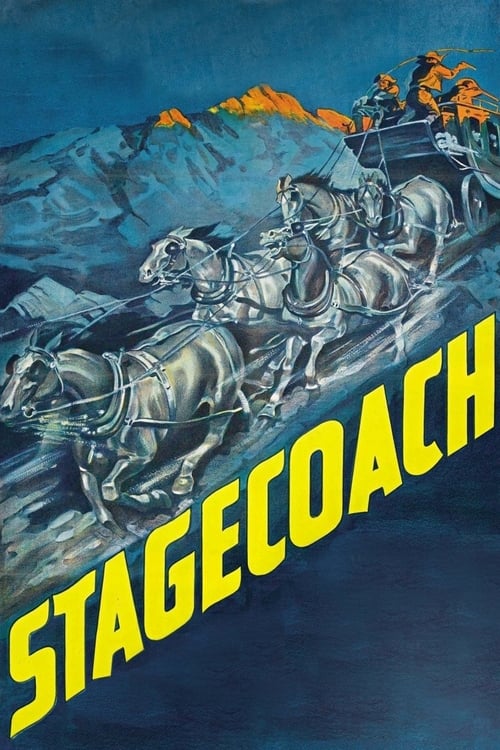
When Stagecoach hit theaters, it did something that no other Western was able to do: It elevated the material to A-list status after the genre had settled for too long in the B-picture range. Although both director John Ford and rising star John Wayne had made pictures before, Stagecoach singlehandedly launched their careers almost overnight, establishing the powerhouse collaboration that would guide the genre for decades to come. That's no small feat.

Following a rag-tag group of unlikely travelers, Stagecoach was an action-packed, dramatic, and adult take on the genre that pushed it beyond the boundaries it had previously set for itself. Wayne is a knockout as "The Ringo Kid," and Claire Trevor is simply stunning as Dallas, a working girl who has been run out of the territory. Of course, the eclectic cast of characters — which includes "Doc" Boone (Thomas Mitchell), stage driver Buck (Andy Devine), and Marshal Curley Wilcox (George Bancroft) — is part of the film's charm, but Ford's directorial prowess is on clear display as well.

#5

Shane

(1953)
7.3 / 10 IMDb

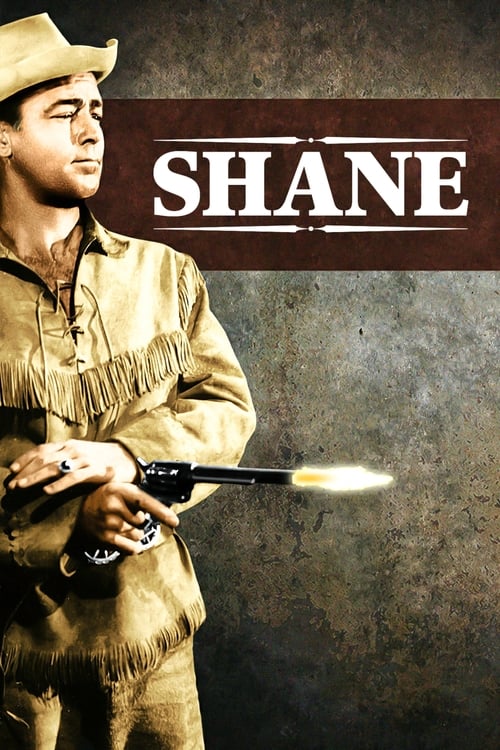
It's hard to talk about the standard tropes and archetypes without talking about Shane. A genre masterpiece by director George Stevens, the film follows the titular gunslinger (played by Alan Ladd) as he stumbles onto the homestead of Joe Starrett (Van Heflin) and his wife Marian (Jean Arthur), just in time to get in the middle of a range war between the sodbusters and cattle tycoon Rufus Ryker (Emile Meyer). As Shane picks up his gun to defend the homesteaders, Ryker hires a gun for himself: Jack Palance's frightening black hat Jack Wilson.

Shane has since become the blueprint for the genre, exploring all the traditional trimmings and trappings that run deep into the Western's roots. Ladd is brilliant, of course, but there's something deeper here that sticks with you ("it's a brand") after the hero rides into the breathtaking Tetons that fall behind the would-be town. It's also just visually and emotionally stunning, with themes that would be revisited by Western filmmakers for decades to come.

#6
7.8 / 10 IMDb

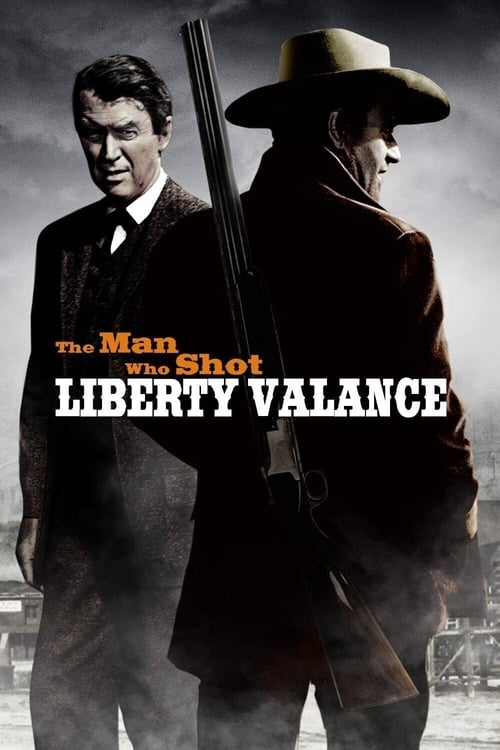
There are only three pictures in which John Wayne and James Stewart are both featured, and of the three, The Man Who Shot Liberty Valance is the best of them. In How the West Was Won, they don't actually interact, and in The Shootist they have little screentime. But this John Ford picture is a thoughtful, elevated attempt to say something lasting about the slow decline of the genre and the fading nature of the West, all while meditating on how myths began in the first place. Wayne and Stewart have never been better together.

As Stewart's "Rance" Stoddard arrives in the small town of Shinbone, he finds himself instantly at odds with Liberty Valance (Lee Marvin). But with help from Wayne's Tom Doniphan, Rance is able to stand up to the ruffian and sweep local girl Hallie (Vera Miles) off her feet — and away from Doniphan. Each of the leading men are stupendous, with a dramatic shorthand that builds off the other naturally on the black-and-white screen.

#7
7.7 / 10 IMDb

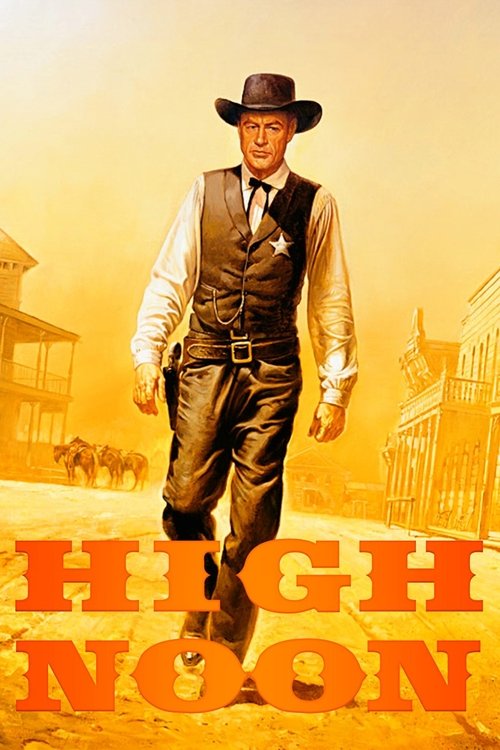
Although quite controversial, High Noon remains one of the greatest Westerns ever made. Directed by Fred Zinnemann and starring Gary Cooper, this is one horse opera that knows how to use time to its advantage. Telling its tale in real-time, this 85-minute feature follows U.S. Marshal Will Kane (Cooper) as he aims to protect his New Mexican hometown against all odds as his fierce enemy, Frank Miller (Ian MacDonald), is on his way back for revenge – and on Kane's wedding day to Amy Fowler (Grace Kelly), no less.

Having been the favorite movie of various U.S. Presidents on both sides of the political aisle, High Noon is a film about justice, responsibility, and honor that stands as tall now as ever. Having helped inspire everything from the political revolution to the creation of Rio Bravo, its influence on the genre is quite astounding. Cooper alone is worth the effort as he plays one of the finest lawmen ever to grace the silver screen.

#8
7.6 / 10 IMDb

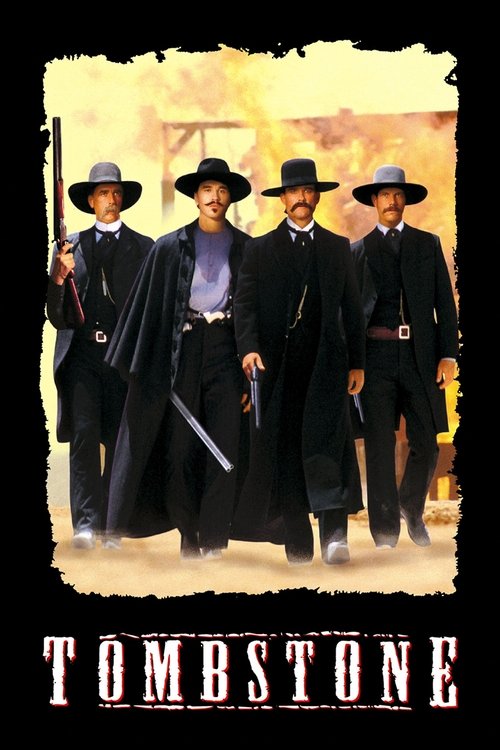
Despite a plethora of production issues, Tombstone defied every odd and has risen to become one of the most popular and beloved Westerns ever made. A more historically accurate account of the "Gunfight at the O.K. Corral" than My Darling Clementine but still quite mythical in its portrayal of Wyatt Earp (Kurt Russell), this is a picture that is so endlessly rewatchable (and quotable) that it's turned into quite the fan favorite. Of course, much of this is due to the unrivaled, career-defining performance of Val Kilmer as Doc Holliday and the marvelous script by Kevin Jarre (who was promptly replaced by George P. Cosmatos as director).

With plenty of stellar action, complicated romance, and historical content to satisfy most armchair historians (even if another Wyatt Earp picture is arguably the more accurate), Tombstone is everything you could wish for in a modern-made Western that was made over 30 years ago. Everyone from Sam Elliott and Bill Paxton to Michael Biehn and Powers Boothe delivers on all fronts, having curated a true masterpiece worth celebrating.

#9
7.3 / 10 IMDb

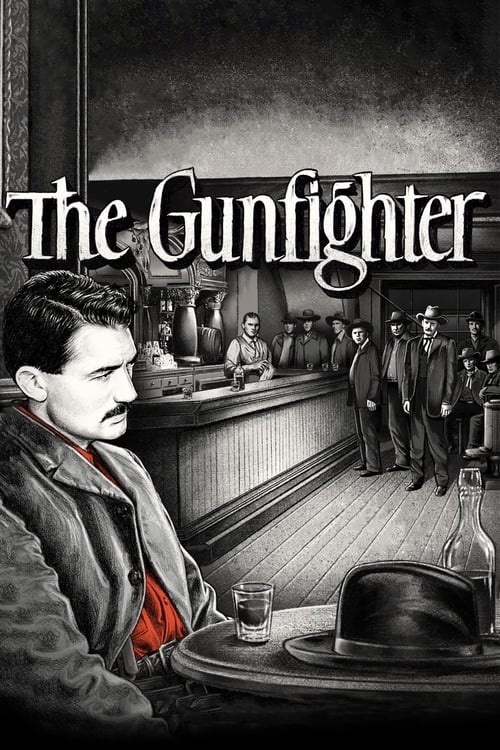
Arguably among the most underrated Westerns ever made, The Gunfighter is a masterclass in understated tension and psychological drama as Gregory Peck's Jimmy Ringo strolls into the frontier town of Cayenne. On the run but hoping to leave his gun behind, Ringo is a changed man who cannot outrun his own reputation. To use the old biblical adage, "he who lives by the sword, dies by the sword." Peck is simply phenomenal here, stealing the show with his elegantly simple take on a Western gunslinger at the end of his rope.

Directed by Henry King, The Gunfighter is so much more than its title (or the somewhat inaccurate poster) describes. Each time Ringo enters a place, the surrounding townsfolk have something to say about it, and the way Old West myths and legends spread, we can understand why he's gotten his reputation as a hardened criminal. This one has been slept on for far too long.

#10
7.6 / 10 IMDb

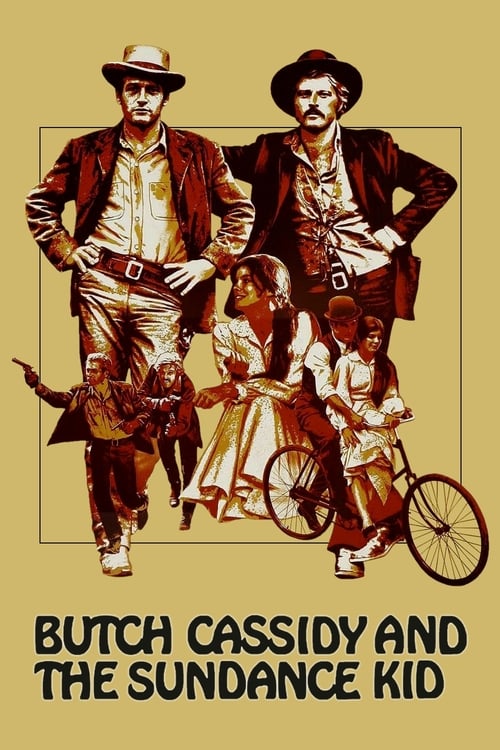
One of only two films that put Paul Newman and Robert Redford together, Butch Cassidy and the Sundance Kid is a cinematic marvel that, like The Wild Bunch that same year, challenged everything that audiences had come to expect from the genre after Wayne and Eastwood. Directed by George Roy Hill, Butch and Sundance is a product of the New Hollywood era of experimental filmmaking that pushed these outlaws into a character-driven picture that focuses more on their personal friendship than any recycled stock plot.

As Butch and Sundance are on the run for their (sometimes) elegant and thoughtful robberies, they depart from the Old West to South America, where they live out the rest of their days in exile, again challenging the viewer's preconceived notions. But it's the chemistry between Newman and Redford that makes this film so remarkably memorable. Mixed with the clever one-liners and emotionally engaging gunplay, there's a lot to love about this instant classic. "You just keep thinkin', Butch..."

#11
8.0 / 10 IMDb

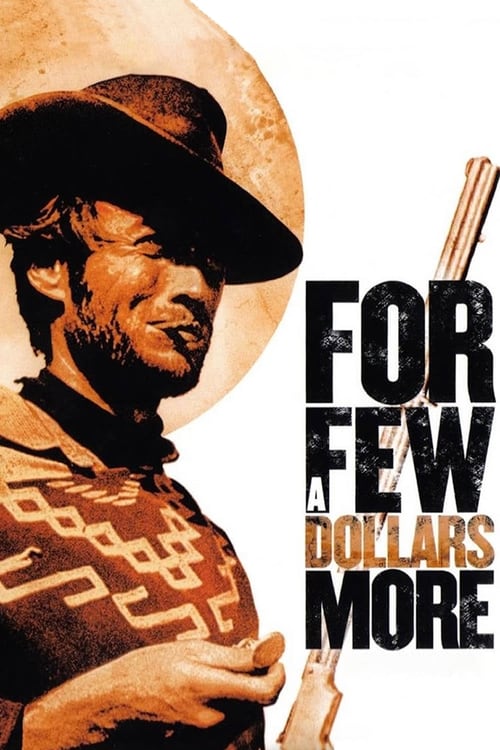
Perhaps the most underrated entry in the Dollars Trilogy, For a Few Dollars More reunites director Sergio Leone and Clint Eastwood for a sequel that pushes the "Man With No Name" (now going by "Manco") to his limits. Partnering with Colonel Douglas Mortimer (Lee Van Cleef) to track down Gian Maria Volonté's villainous El Indio, the bounty hunter stylishly defies the odds and makes his mark once more. Proving that the Leone/Eastwood grouping was no one-trick pony, this is one sequel that exceeds the expectations delivered by the original.

Even if For a Few Dollars More isn't the most beloved or the tightest entry, it's arguably Leone's most poetic installment. It's a bit more developed and cinematic than its predecessor and arguably more intense than even the follow-up. The partnering of Eastwood and Van Cleef as Manco and Mortimer is a duo we only wish we'd gotten more of. Plus, as a conclusion to the Man With No Name's chronological tale, it's certainly well-earned.

#12
7.8 / 10 IMDb

When it comes to John Wayne Westerns, Rio Bravo is a true step above. While Wayne and director Howard Hawks made the picture in response to another iconic horse opera, the end result truly stands on its own as a powerful tale of personal redemption, unexpected love, and old-fashioned law and order. As Sheriff John T. Chance (Wayne) stands against the Burdette brothers, he does so with his allies, Dude (Dean Martin), Stumpy (Walter Brennan), and young gun Colorado Ryan (Ricky Nelson). Oh, and that's not to forget Wayne's love interest, the ever-gorgeous Angie Dickinson, who is at her best opposite the Duke as Feathers.

Rio Bravo is simply exceptional. It's a classic Wayne-led Western with plenty of grit and character that you'll simply want to watch again once it's over. Wayne and Martin are a fabulous duo who really play on each other's strengths, with the latter offering a thoughtful examination of the singing cowboy archetype. With a final shootout that masterfully brings the picture to a close, it's a masterclass in horse operatic fervor.

#13
7.4 / 10 IMDb

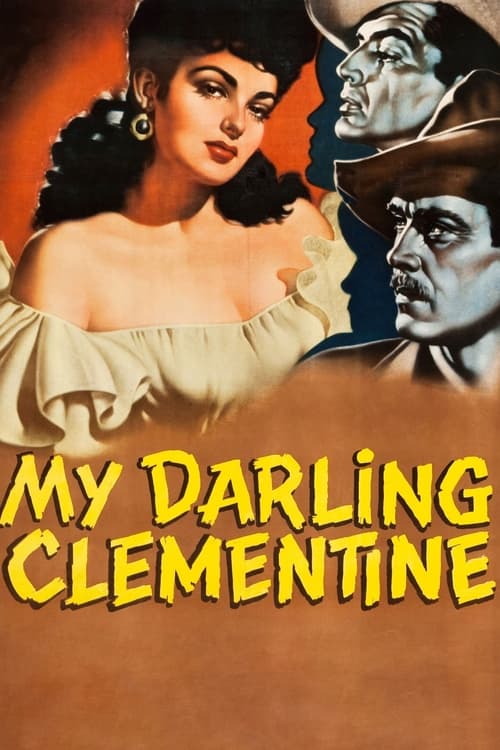
Earlier, we noted that Henry Fonda played against his usual type in Once Upon a Time in the West, but for a horse opera that leans into Fonda's heroic strengths, My Darling Clementine is certainly the best. Directed by Western legend John Ford, this classical adaptation of the famous "Gunfight at the O.K. Corral" that occurred in Tombstone, Arizona, pits Fonda's Wyatt Earp against Victor Mature's Doc Holliday in a distinct take on the tale that's far more fictional than it is fact. Still, it's an exceptional motion picture.

A true Western classic, the unique combination of noir-style visuals, memorable performances, and a mythic interpretation of the Wyatt Earp legend, My Darling Clementine proved that Ford always understood what made the genre tick. No matter if much of the material is legendary in nature, it's commitment to character over factual accuracy is what makes it shine. It'll make sure that the title track is stuck in your head for some time to come.

#14

Django

(1966)
7.2 / 10 IMDb

While the pairing of Eastwood and Leone kicked off American adoration of Spaghetti Westerns, pictures like Django proved that the subgenre wasn't just some one-and-done fad. From director Sergio Corbucci, launching his unofficial Mud & Blood Trilogy, you may recognize this one only due to its influence on Quentin Tarantino's Django Unchained. However, the original Franco Nero-led tale of the drifting gunslinger is a classic that is the top of the genre's game.

Following Nero's Django, the film meditates on the tussle between a band of ex-Confederates and a horde of Mexican revolutionaries, with the title hero (in true Meatball Western fashion) caught smack in the middle. Not only is the action simply exceptional (proving the difference a single well-armed man can make), but Django's almost spiritual redemption is a thrilling turn of events that the audience doesn't see coming. No wonder Nero has continued to cameo in other Django projects ever since...

#15
7.5 / 10 IMDb

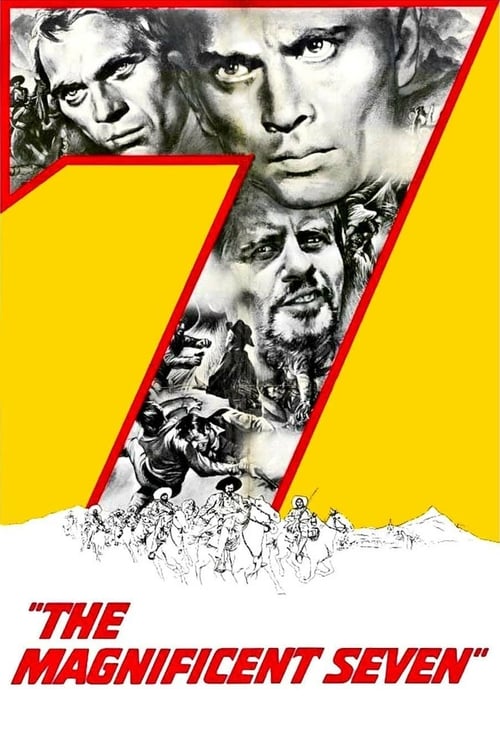
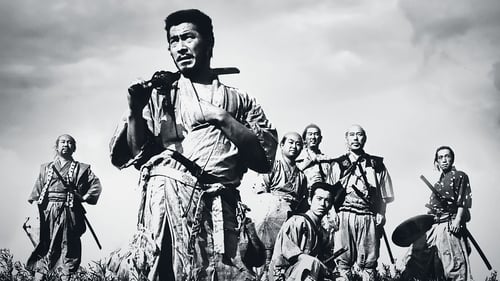
An American remake of Seven Samurai, The Magnificent Seven is considerably shorter by comparison, and certainly more riveting. When a small Mexican village hires a band of seven gunmen to protect them from a gang of bandits who threaten their lives and livelihood, it's a recipe for success that only director John Sturges could pull off so, well, magnificently. Alongside Charles Bronson, it features the likes of Yul Brynner, Steve McQueen, Robert Vaughn, and, James Coburn, among others, this film is an action-packed shoot-'em-up like no other.

There's a reason that The Magnificent Seven is one of the few Western flicks to receive not only multiple sequels, but reboots and underrated television adaptations as well. The tale is a tried-and-true staple of the genre, juxtaposing the complicated good against the pure and unadulterated evil, and reminding audiences that sometimes one gun isn't enough. While some of the other entries in the series are good, nothing quite beats this original.

#16
7.8 / 10 IMDb

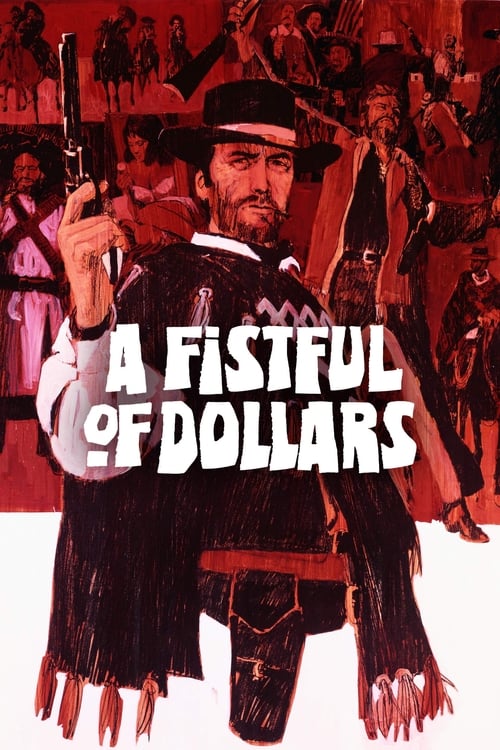
The first in Sergio Leone's Dollars Trilogy, A Fistful of Dollars is the picture that took Clint Eastwood off television screens and launched him into international fame almost overnight. Playing the infamous "Man With No Name" (here called "Joe"), Eastwood essentially reinvented the Western gunslinger with this picture, as the antihero wanders into a poor excuse for a town — and right into the middle of a family feud that he has no business involving himself in. Yet, there's more to this man than meets the eye, and Eastwood certainly delivers.

Although not the most famous of Leone's trilogy, A Fistful of Dollars is a tight Spaghetti Western that proved audiences everywhere would enjoy an Italian-made take on the Wild West. The tight script and even tighter action sequences make for a quick and effortless watch that will transport you instantly to a time that has long passed. Eastwood made his most lasting mark on the genre here, one that would influence the Western (and his career) for decades to come.

#17
7.2 / 10 IMDb

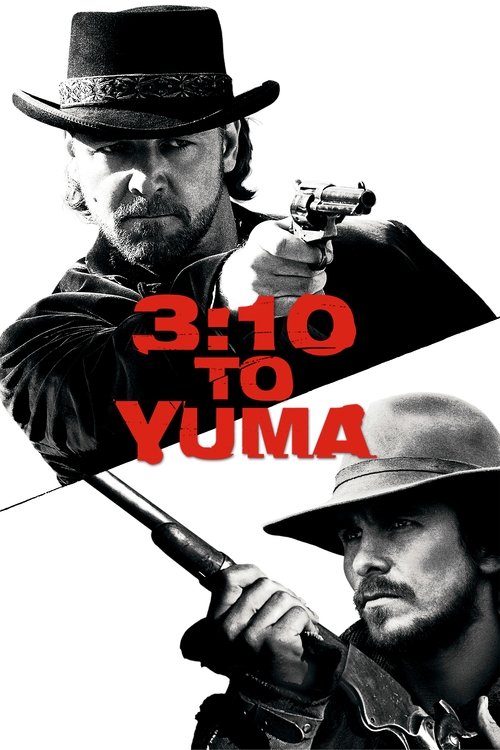
It's perhaps a bold assertion to include James Mangold's epic remake of 3:10 to Yuma on this list (especially since the original 1957 picture is an underrated classic), but it really is a powerhouse of a film that elevates everything we love about the Western. Between Christian Bale's hard-working and unrelenting rancher Dan Evans to Russell Crowe's outlaw-with-a-soul Ben Wade, there's something special here that proves the genre can balance high-stakes blockbuster-style action with deep and riveting character drama. There's a reason we continue to rave about it all these years later.

3:10 to Yuma is a Western that honors the original material, while, in some respects, improving upon and subverting it in ways that are arguably more profound. The chemistry between Bale and Crowe, in particular, is of note, and the blood-soaked action is as dynamic as ever. Few modern takes on the genre have the ability to truly live up to the Western's golden age, but 3:10 to Yuma is one of the fortunate few.

#18
8.3 / 10 IMDb

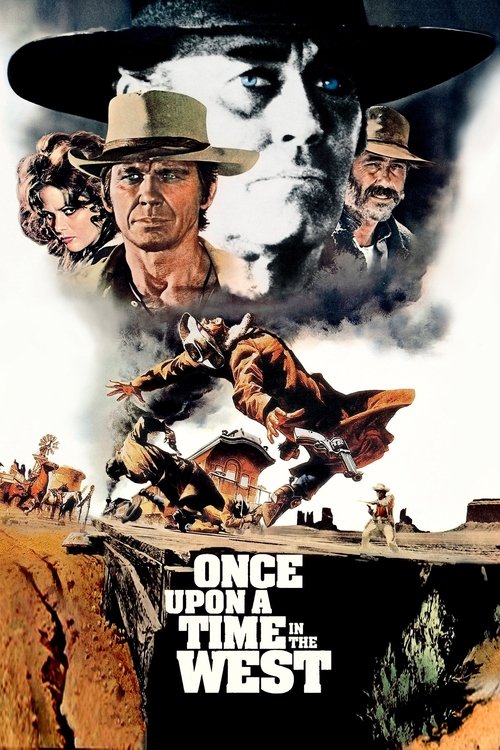
After saying goodbye to the Dollars Trilogy, director Sergio Leone returned to the bloody world of 1870s America for Once Upon a Time in the West. After Jill McBain's (Claudia Cardinale) new family is murdered mercilessly by an outlaw gang, she finds herself working alongside the unnamed gunslinger known only as "Harmonica" (Charles Bronson) to take down the posse responsible. An extended tale of action and revenge, Leone follows up his previous cinematic success with a picture that has become just as memorable.

Of course, the real standout here is Henry Fonda, who plays against his usual hero type as the outlaw Frank, the man responsible for the McBain slaughter and the black hat on the receiving end of Harmonica's wrath. From the killer opening sequence that sets the stage for the bloodshed to come, Once Upon a Time in the West is a slow but steady dive into the depravity of those who wander the frontier, and the hope that one might still find in the midst of such evil.

#19
7.6 / 10 IMDb

Although not Sam Peckinpah's first Western, The Wild Bunch is easily his most popular. Meant to examine the cost of violence as the lawless West fades into budding civilization, the film follows an outlaw gang at the end of their rope — which makes them more dangerous than ever. Considered one of the greatest to ever examine the genre, The Wild Bunch took bold moves away from the more mythic depictions of the West by offering a more revisionist stance on American history.

Peckinpah was a pioneer in his thoughtful (albeit, quite graphic) telling of this gang, using quick cuts, slow-motion, and wild tension that sets the mood from the very first scene. William Holden shines as outlaw leader Pike Bishop, and the rest of the crew (notably Jaime Sánchez's Angel) perfectly complement the tone that Peckinpah is going for. It's a tough one to swallow at times, but a masterwork that lives up to its name.

#20
7.8 / 10 IMDb

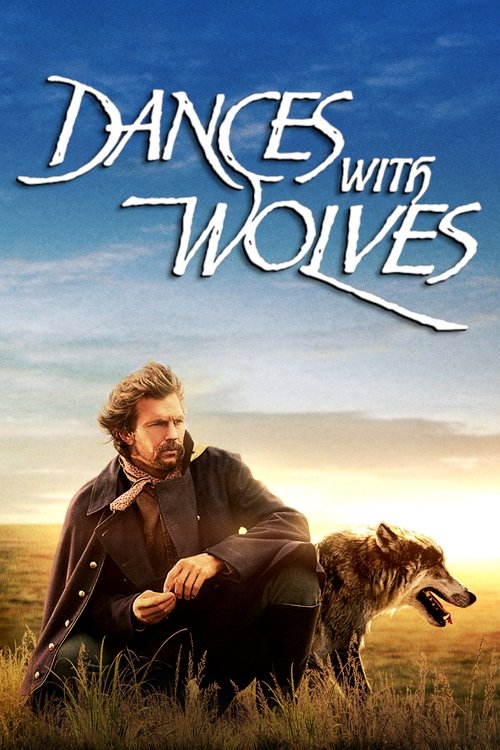
The first Western to win Best Picture at the Oscars in decades, Dances with Wolves ushered Kevin Costner into the forefront as the next great visionary for the genre. His directorial debut, Costner played Lt. John J. Dunbar as he is tasked with overseeing a remote military outpost where he befriends a group of wandering Lakota, with much of the film's dialogue spoken in their native dialect. While the three-hour runtime may appear bloated on the surface, it's a slow burn that more than warrants the excess.

Dances with Wolves was a trailblazer for Native American representation — the film features Graham Greene and Rodney A. Grant — not just in the genre itself but in Hollywood proper. Its aims for historical authenticity (despite a few blunders) elevated the material and almost singlehandedly sparked a revival in the genre that rode its way through the 1990s. While the actor-director's later pictures — Open Range and Horizon: An American Saga — would likewise meditate on the Costner-led American West, Dances with Wolves remains a masterclass in thoughtful frontier reflection.