10 TV Shows With the Best Cinematography, Ranked
tv shows

10 TV Shows With the Best Cinematography, Ranked

By Streamix Editors March 1, 2026 10 items

Television has evolved far beyond simple storytelling. Today, it's a visual medium that rivals cinema in its artistry. While compelling narratives and memorable performances often capture viewers’ attention, it is the cinematography that truly elevates a show, transforming each frame into a carefully composed work of art. From sweeping landscapes to intimate close-ups, the way a story is visually presented can deepen emotions, highlight themes, and immerse audiences in entirely new worlds.

Cinematography in TV shows is more than just pretty shots. Lighting, camera angles, color palettes, and movement all work together to set the tone and mood, subtly guiding our emotional responses. Some shows push these boundaries, experimenting with visual storytelling in ways that feel cinematic, while others use cinematography to reinforce character development or complex themes. In each case, the artistry behind the lens enhances the narrative and leaves a lasting impression.
#1
N/A / 10 IMDb

Breaking Bad is a crime drama that introduces Walter White (Bryan Cranston), a high school teacher who starts manufacturing and distributing methamphetamine after being diagnosed with terminal cancer. What begins as a venture to secure his family's financial future quickly becomes a massive drug empire. The series follows White's transformation from a well-intentioned, naive man just trying to do the best he can with his lot in life into a ruthless criminal mastermind.

Breaking Bad’s cinematography is notable for how deliberately it uses visual composition to tell the story alongside the dialogue. The show frequently frames characters in wide shots against the vast New Mexico landscape, emphasizing isolation, moral emptiness, or a sense of insignificance as events spiral out of control. Unusual camera angles, such as extreme low angles, overhead shots, or views from inside confined spaces, turn ordinary actions into moments of tension and symbolism.

#2
N/A / 10 IMDb

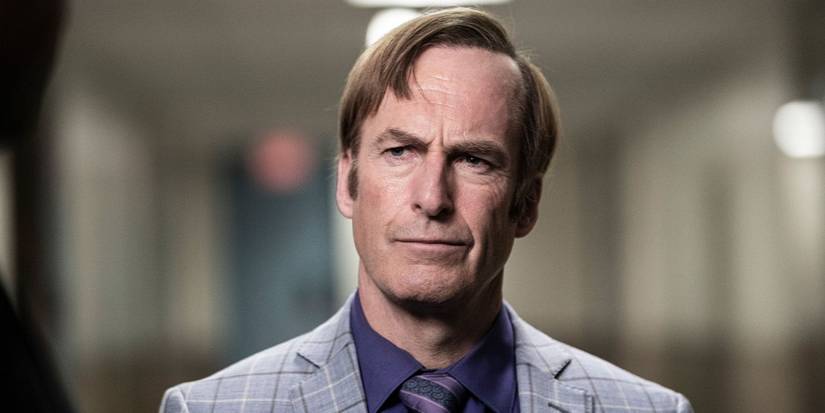
Better Call Saul is a legal drama that serves as a prequel to Breaking Bad, charting the transformation of Jimmy McGill (Bob Odenkirk), a well-meaning but deeply flawed lawyer, into the morally compromised Saul Goodman. Set in Albuquerque, the series explores Jimmy’s complicated relationships, particularly with his brother Chuck (Michael McKean) and his partner Kim Wexler (Rhea Seehorn), while intertwining his story with the rise of the criminal underworld.

Better Call Saul uses cinematography to enhance narrative tension and character development without relying heavily on dialogue. Visual storytelling, such as lingering shots, reflections, and foreground-background contrasts, allows emotions and power dynamics to unfold silently. The contrast between brightly lit legal spaces and the shadowed world of crime underscores the duality of Jimmy’s life, while slow camera movements and extended takes build suspense and intimacy.

#3
N/A / 10 IMDb

Game of Thrones is a fantasy drama set in the fictional continents of Westeros and Essos, where noble families vie for power and control of the Iron Throne. The series weaves together multiple storylines involving political intrigue, shifting alliances, betrayal, and war, while an ancient supernatural threat looms in the north. It explores themes of power, loyalty, ambition, and morality through a large ensemble cast, where characters often face harsh consequences for their choices.

Game of Thrones stands out for its cinematography because of its epic visual scale and cinematic ambition, which brought film-level production quality to television. The series effectively captures dynamic landscapes, towering castles, and massive battlefields, giving the world of Westeros a sense of realism and grandeur. Natural lighting and detailed production design distinguish different regions and cultures, from the icy blues of the North to the warm, golden tones of King’s Landing.

#4
N/A / 10 IMDb

Mr. Robot is a psychological thriller that follows Elliot Alderson (Rami Malek), a brilliant but troubled cybersecurity engineer and hacker who suffers from social anxiety and depression. He's recruited by the mysterious anarchist group “fsociety,” and becomes embroiled in a complex plot to take down a powerful corporation, all while grappling with his own fractured sense of reality. Mr. Robot is told almost entirely from Elliot's perspective, inviting viewers to get to know him on a deep level.

Mr. Robot uses highly unconventional framing and visual composition, which immediately sets it apart from most television dramas. Characters are often placed at the extreme edges of the frame, surrounded by negative space, creating a constant sense of isolation, discomfort, and imbalance that mirrors Elliot’s mental state. The series favors wide shots, low angles, and off-center compositions instead of traditional close-ups, which makes the cinematography stand out.

#5
N/A / 10 IMDb

Westworld is a science fiction drama that explores a futuristic theme park populated by highly advanced, lifelike androids called “hosts,” where wealthy guests indulge their fantasies without consequences. The series delves into complex themes of consciousness, free will, morality, and the nature of reality, as the hosts begin to gain self-awareness and question their existence. It weaves together multiple timelines and perspectives, blending philosophical questions with action, mystery, and psychological tension.

Westworld's cinematic style stands out because it blends the vast natural landscapes of the American West with sleek, futuristic design elements. Wide, sweeping shots of deserts, canyons, and plains evoke the grandeur and isolation of the park, emphasizing both the beauty and danger of the environment. In contrast, the sterile, high-tech interiors of the control facilities are captured with precise, symmetrical framing and cool, clinical lighting, creating a visually distinct contrast between the human-made world and the park.

#6

Mad Men

(2007)
N/A / 10 IMDb

Mad Men is set in the 1960s, and centers on the professional and personal lives of advertising executives at a prestigious New York agency. The series primarily follows Don Draper (Jon Hamm), a talented but troubled creative director, as he navigates the shifting cultural, social, and moral landscape of mid-century America. Through its exploration of ambition, identity, gender roles, and social change, Mad Men examines the tension between appearance and reality, both in advertising and in personal life.

Mad Men stands out for its cinematography due to its meticulous attention to visual composition, lighting, and period detail that together create a distinctly immersive 1960s aesthetic. The series frequently uses soft, naturalistic lighting and carefully controlled color palettes to evoke the mood of each scene. Whether it’s the bright optimism of a Madison Avenue office or the shadowed tension of a personal confrontation, each visual choice offers viewers new perspectives on these characters and the choices they face.

#7

Rome

(2005)
N/A / 10 IMDb

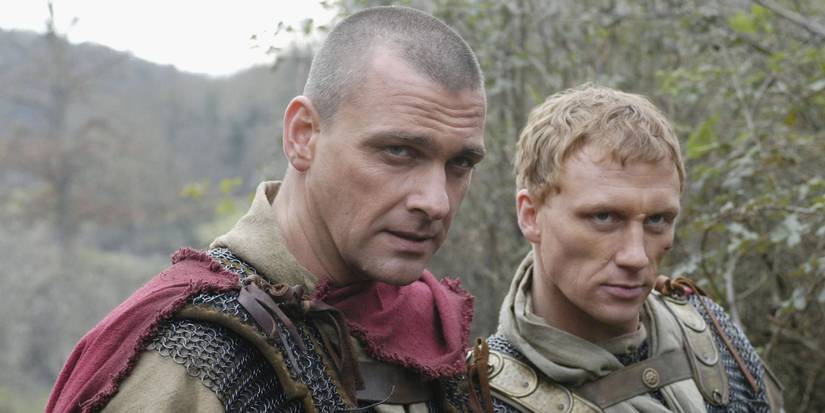
Rome is a historical drama that chronicles the political intrigue, power struggles, and social upheavals of the late Roman Republic. The series follows key historical figures such as Julius Caesar (Ciarán Hinds), Mark Antony (James Purefoy), and Cleopatra (Lyndsey Marshal), as well as ordinary citizens, soldiers, and enslaved people, offering a multi-layered perspective on Roman life. It blends detailed historical events with personal drama, exploring themes of loyalty, ambition, betrayal, and the cost of power.

Rome stands out for its cinematography, with an epic, cinematic approach to depicting the grandeur and brutality of ancient Rome. The use of naturalistic lighting, shadows, and color palettes immerse viewers in the historical period while highlighting the mood and tension of each scene. Every frame is meticulously designed, whether showing the opulence of Caesar’s palace or the grime of the city streets, immersing viewers fully in the world of ancient Rome.

#8

Euphoria

(2019)
N/A / 10 IMDb

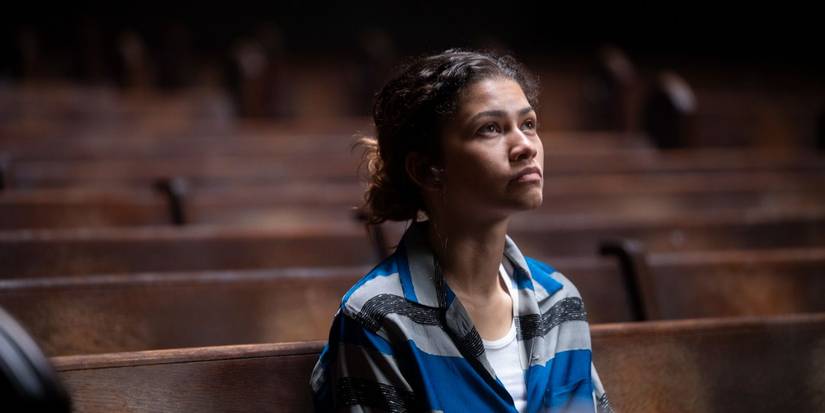
Euphoria is an American teen drama that follows a group of high school students navigating challenges as they come of age, like identity, trauma, addiction, and mental health. The series specifically follows Rue Bennett (Zendaya), who lives with a substance use disorder. The series has resonated with fans around the world since it fearlessly explores the messy, often painful realities of adolescence through a raw and unflinching lens.

Euphoria uses vibrant, neon-lit color palettes, dramatic lighting, and inventive camera angles to create an immersive, almost dreamlike atmosphere. Close-ups, slow motion, and unconventional framing capture intense feelings like euphoria, despair, or vulnerability, allowing viewers to experience the characters’ inner worlds visually. The cinematography in the series doesn’t just tell the story, but shapes it. It amplifies the emotional impact of each scene, turning ordinary moments of teen life into striking, cinematic experiences.

#9

Fargo

(2014)
N/A / 10 IMDb

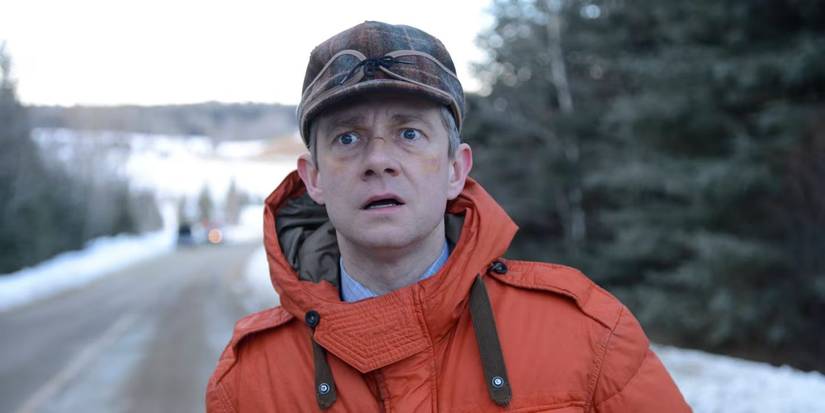
Fargo is an anthology crime drama inspired by the 1996 film of the same name, with each season telling a self-contained story set in the upper Midwest of the United States. The series combines dark humor, moral complexity, and sudden bursts of violence, exploring how ordinary people become entangled in crime and chaos. Each season features unique characters, from small-town law enforcement officers to cunning criminals, whose actions often spiral into unexpected consequences.

Fargo frequently uses wide, panoramic shots to emphasize isolation, emptiness, and the harshness of the environment, which often mirrors the emotional and moral landscapes of the characters. The visual contrast between the pristine snow of the landscape and sudden bursts of blood or violence intensifies the shock and darkly comic elements that define the show. Ultimately, Fargo achieves a visually unique style that distinguishes it from typical crime dramas.

#10
N/A / 10 IMDb

Peaky Blinders is a British crime drama set in post-World War I Birmingham, England, following the Shelby family, who lead the notorious Peaky Blinders gang. The series specifically follows the ambitious and cunning Thomas Shelby (Cillian Murphy), who seeks to expand the family’s criminal empire while navigating violent rival gangs, corrupt politicians, and law enforcement. The series combines historical events with gritty fiction and explores themes of power, loyalty, ambition, and trauma.

Peaky Blinders stands out for its cinematography because of its striking visual style that blends historical authenticity with a modern, cinematic flair. The series frequently uses high-contrast lighting, deep shadows, and muted color palettes to evoke the gritty, industrial atmosphere of post-World War I Birmingham. Close-ups on Thomas Shelby’s face capture subtle emotions, conveying his internal conflicts without the need for dialogue. Additionally, the use of light and shadow often mirrors the characters' moral ambiguity.